
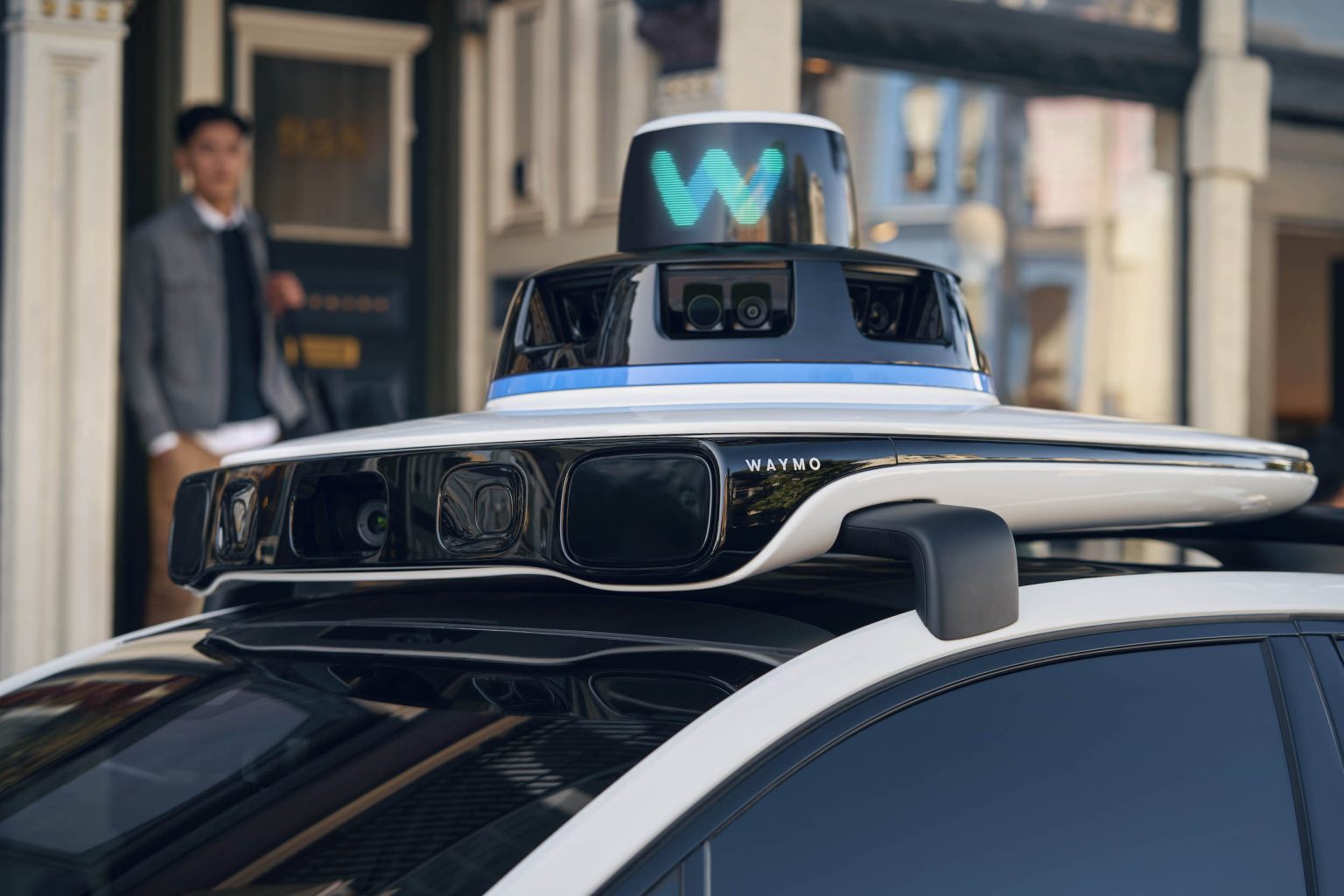
Waymo and Toyota have signed a preliminary agreement to explore a possible collaboration on autonomous vehicle development, the Alphabet-owned robotaxi operator said in a blog post. The scope of the potential partnership includes the joint creation of a self-driving platform for ride-hailing and an investigation into integrating Waymo’s autonomous technology into future Toyota consumer vehicles.
While the agreement does not constitute a binding partnership, both companies have expressed interest in aligning their efforts around safety and automated driving. “The scope of the collaboration will continue to evolve through ongoing discussions,” Waymo said.
See also: Uber and Waymo to Launch Robotaxi Service in Atlanta This Summer
Toyota, which has previously emphasized safety and mobility as core pillars of its strategy, echoed this sentiment. “Toyota is committed to realizing a society with zero traffic accidents and becoming a mobility company that delivers mobility for all,” said Hiroki Nakajima, member of the board and executive vice president of Toyota. He added that the automaker shares “a strong sense of purpose and a common vision with Waymo in advancing safety through automated driving technology.”
The announcement comes shortly after Alphabet CEO Sundar Pichai noted during a recent earnings call that Waymo was examining opportunities to bring its autonomous driving technology to personally owned vehicles. Although Waymo has discussed licensing its systems in the past, this marked the first time the idea was publicly raised by a top executive from its parent company.
See also: Alphabet’s Waymo Considers Personal Ownership Option for Robotaxis
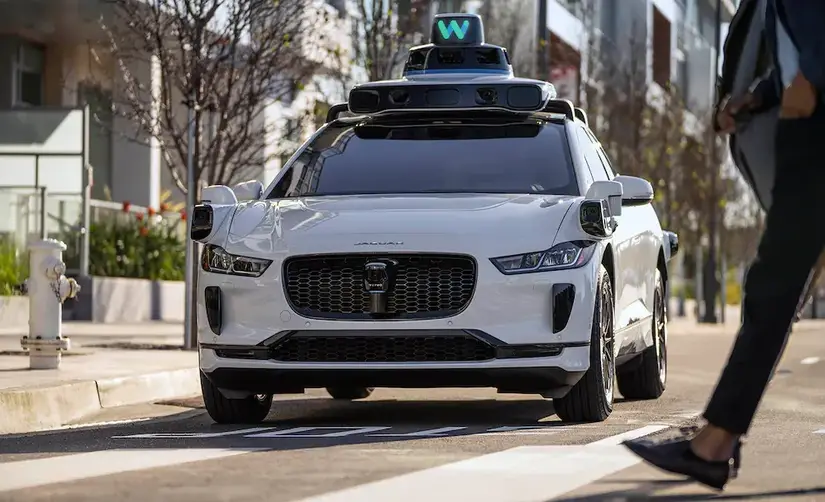
Waymo currently operates robotaxi services in cities including San Francisco, Los Angeles, Phoenix, Austin, and will soon expand to Atlanta. The company has also begun shifting from a vertically integrated model to a partnership approach for operations. In Phoenix, fleet management has been handed to Moove, while in Austin and Atlanta, ride-hailing operations are now shared with Uber under the “Waymo on Uber” model.
Under the arrangement, Waymo retains responsibility for vehicle testing, roadside assistance, and some rider support, while Uber—through a third-party provider—handles tasks such as cleaning, maintenance, inspections, charging, and depot management.