


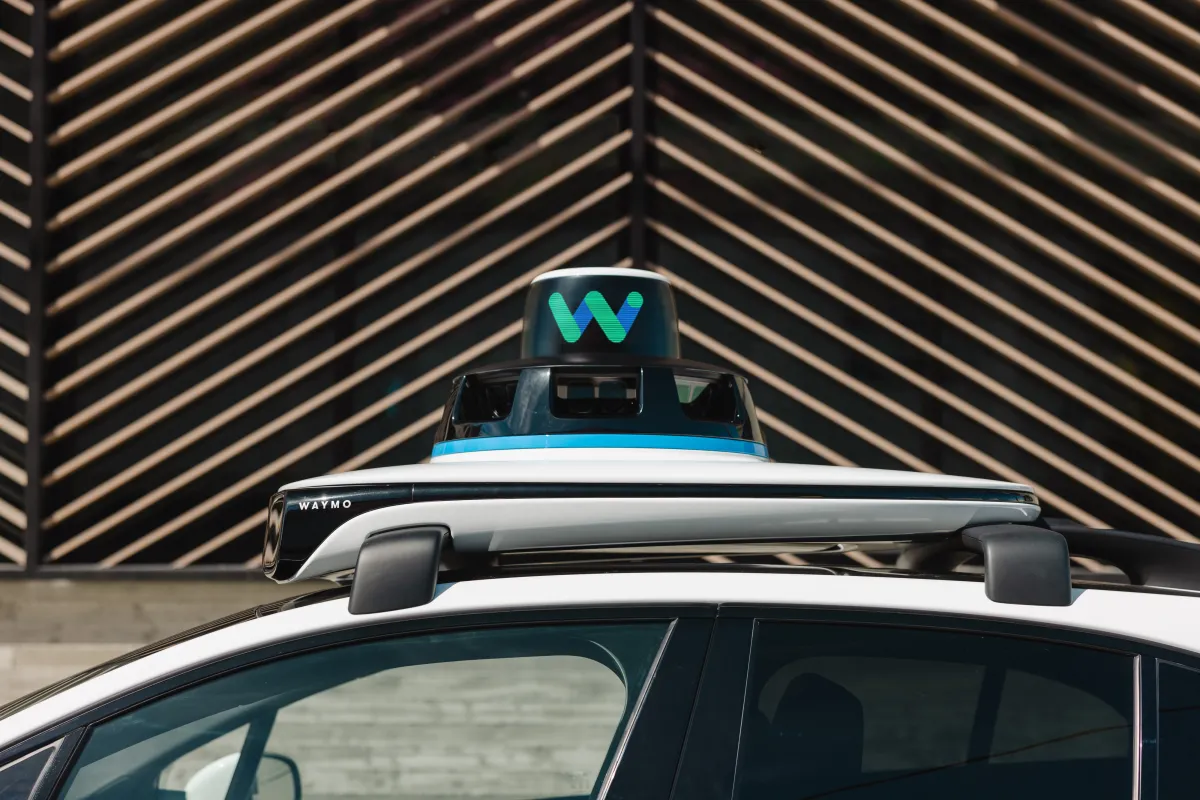
Waymo is exploring the use of generative AI and other emerging technologies in its self-driving systems, but the Alphabet-owned company said its combination of LiDAR and radar sensors remains central to the safe operation of robotaxis at scale.
“We’ve done a lot of research. We’re aware of what works and what doesn’t work at our scale and what we need to do,” said Srikanth Thirumalai, Waymo’s vice president of onboard engineering, at the Ai4 Conference in Las Vegas this week.
See also: Waymo Adds Spotify Streaming for Passengers in Select U.S. Cities

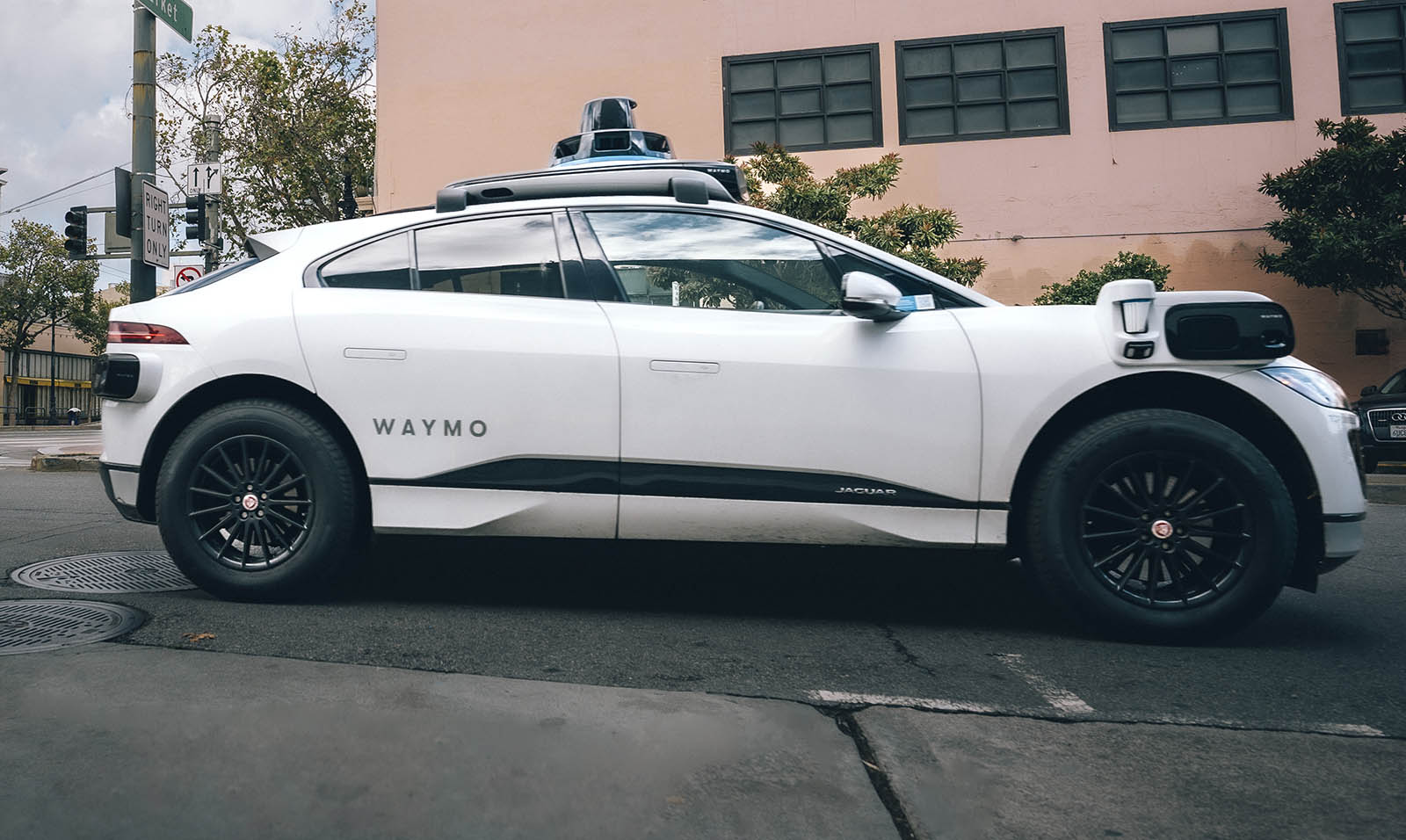
While rivals such as Tesla are pursuing self-driving systems based solely on cameras, Thirumalai said a multi-sensor approach provides “an additional safety net” for driving decisions “under all conditions”—including poor weather. In one presentation, he showed how LiDAR detected pedestrians that onboard cameras had missed, allowing the company’s robotaxis to stop or maneuver to avoid collisions.
The remarks highlighted the divide between approaches in the industry. Tesla, which began a limited robotaxi service in Austin this year, relies exclusively on cameras and artificial intelligence. Chief Executive Elon Musk has long dismissed laser sensors, saying in 2019 that “LiDAR is a fool’s errand” and that “anyone relying on LiDAR is doomed.”
See also: Waymo to Launch Autonomous Ride-Hailing Service in Dallas by 2026 in Partnership with Avis

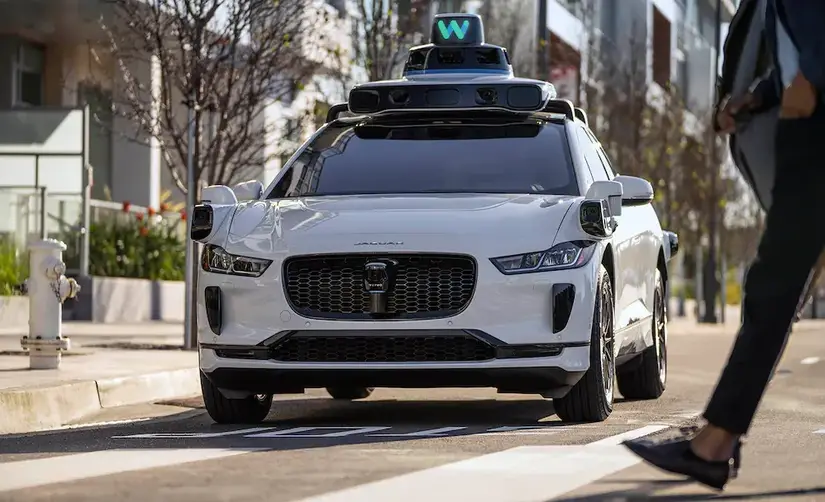
Waymo, which has logged more than 100 million driverless miles across five U.S. cities, continues to emphasize safety metrics in its defense of sensor redundancy. “If we are talking about objective measures, then we have to look at the statistics of our safety record, at scale, right?” Thirumalai said. “When someone actually says: Yes, we matched your safety at your scale with a different system, that’s great. We’ll take that.”
The company is also researching ways to integrate generative AI into its technology stack. Thirumalai confirmed that Waymo has tested Google’s Gemini and developed its own multimodal model, known as EMMA, to improve functions such as object detection. However, he cautioned that models like EMMA remain limited and are not yet viable as stand-alone systems for driving.
See also: Waymo Expands Autonomous Ride-Hailing Service in Austin to 90 Square Miles

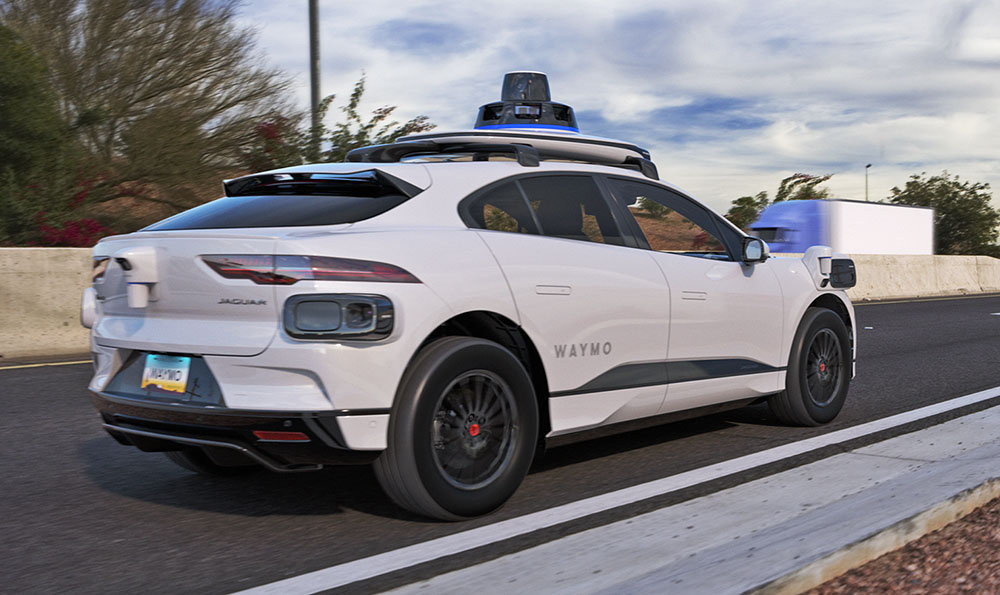
“Incorporating generative AI models into the self-driving tech stack is an area of intense research,” Thirumalai said. “But there’s a lot more work that’s going to be needed to make the system as simple as possible.”
Source: Fortune


