

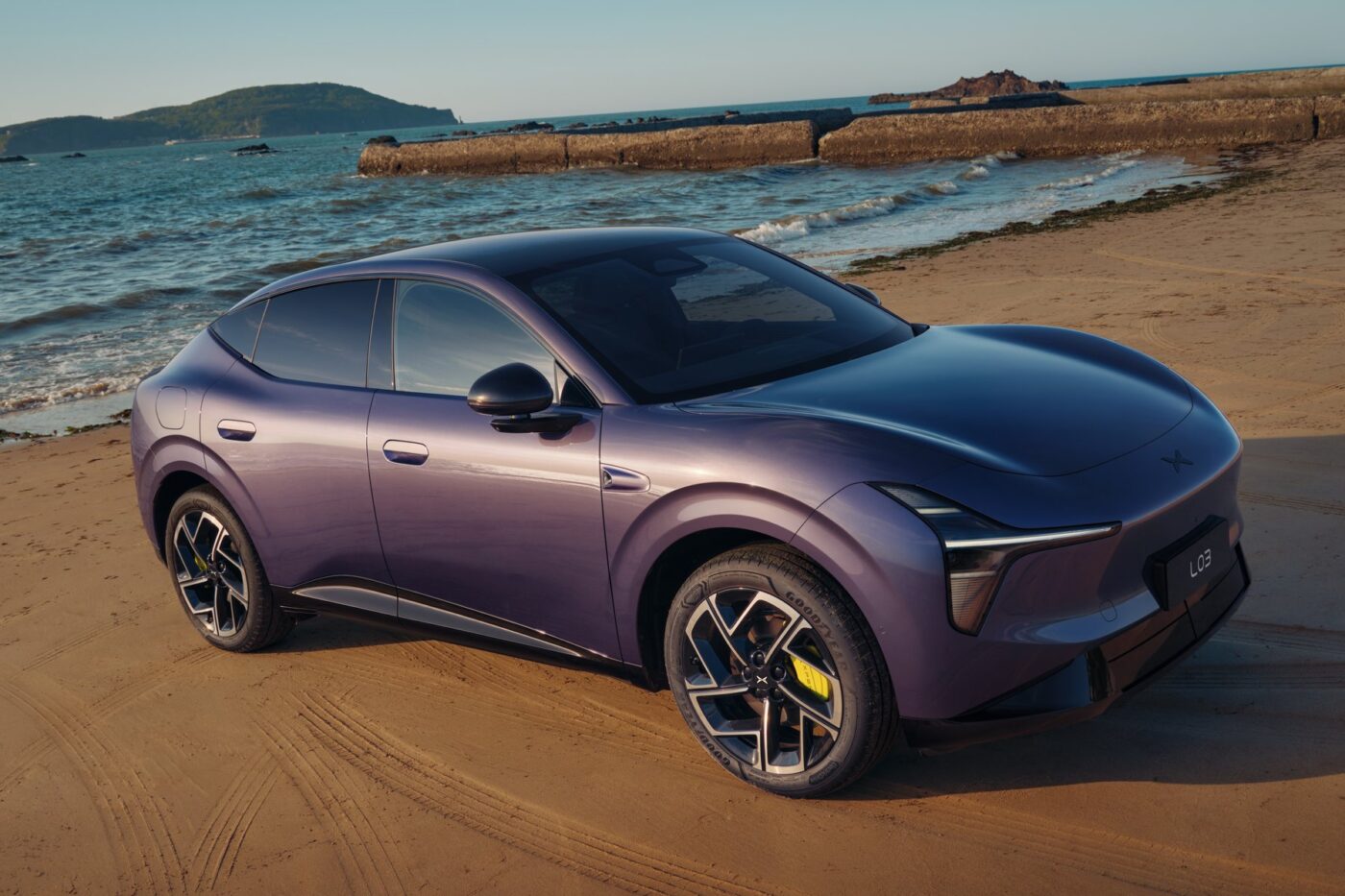
Xpeng has officially launched the Mona L03 sport utility vehicle (SUV), introducing its first model to debut simultaneously in China and Europe as the company accelerates its global expansion with competitive pricing, dual powertrain options and next-generation intelligent driving technology.
The Chinese electric vehicle (EV) manufacturer unveiled the Mona L03 during a global launch event in Munich, Germany. The model is offered in nine variants in China, with prices ranging from 123,800 yuan (US$18,300) to 156,800 yuan, while the battery electric version starts at €35,600 (US$40,770) in Europe.

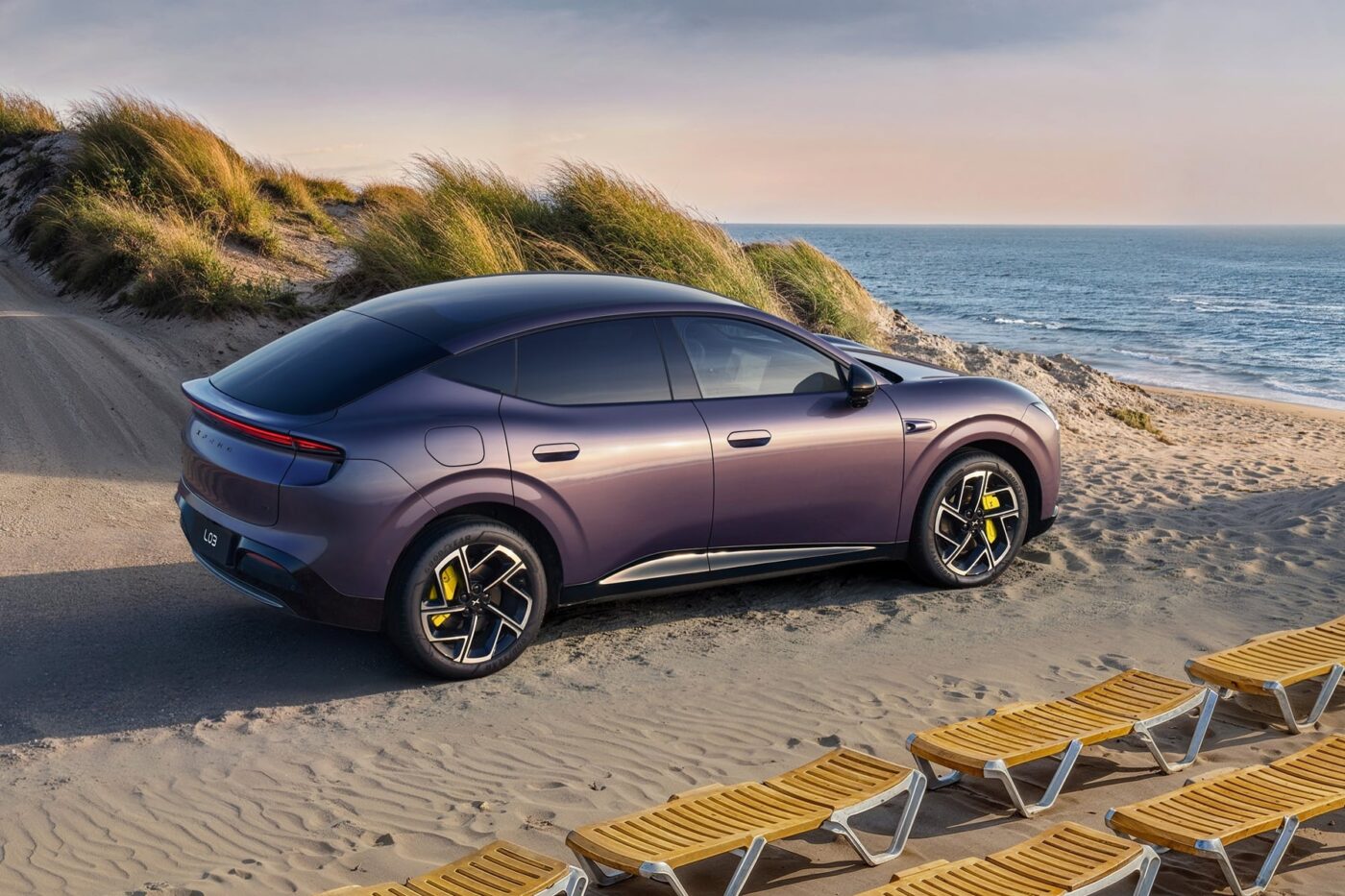
The Mona L03 will eventually be available in 64 overseas markets, making it one of Xpeng’s most internationally focused vehicle launches to date.
Dual Powertrains Target Broader Customer Demand
For the first time, Xpeng is offering both battery electric vehicle (BEV) and extended-range electric vehicle (EREV) versions of the same global model.
Both configurations start at 123,800 yuan in China, with deliveries of the EREV variant scheduled to begin in late August.
The official starting price is 20,000 yuan below the pre-sale price announced earlier this month, highlighting Xpeng’s strategy of using aggressive pricing to quickly build sales volume in China’s highly competitive compact SUV segment.
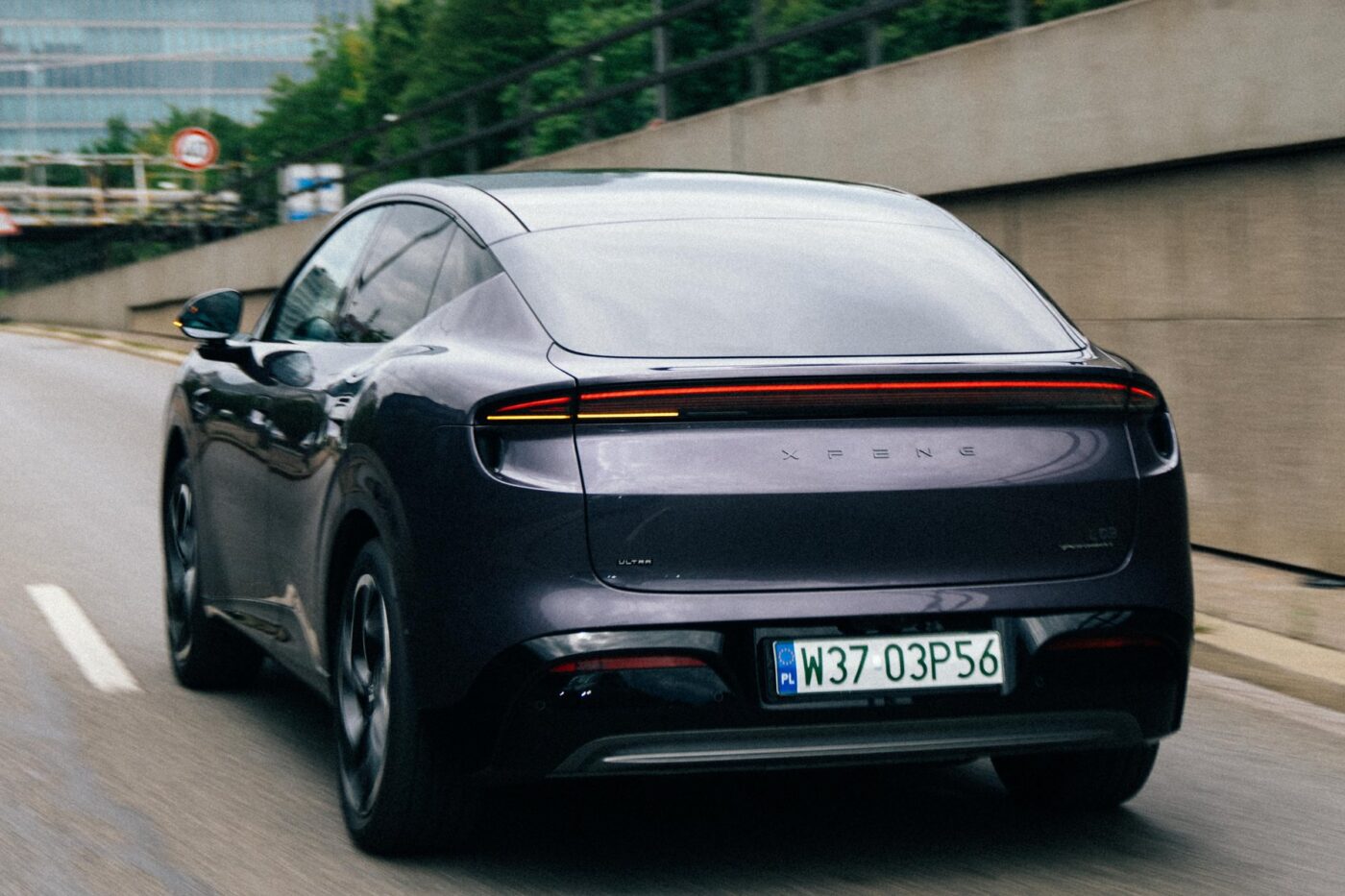
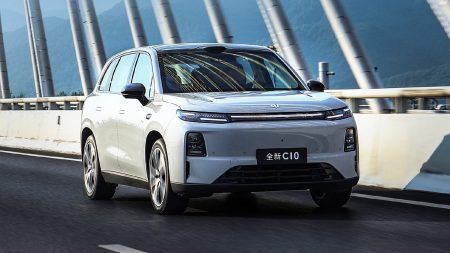
The Mona L03 will compete against models such as the BYD Yuan Plus and Leapmotor C10 while differentiating itself through advanced intelligent driving technology and multiple powertrain choices.
The BEV lineup offers CLTC driving ranges of 525 kilometers and 625 kilometers with energy consumption of 11.9 kWh per 100 kilometers. The fastest version accelerates from 0 to 100 km/h in 6.6 seconds and supports 3C fast charging, enabling a 10% to 80% recharge in as little as 19.1 minutes.
The EREV version features a 37.2-kWh battery, delivering a CLTC pure-electric range of 315 kilometers and a combined driving range of up to 1,330 kilometers. The model records WLTC combined fuel consumption of 5.16 liters per 100 kilometers and accelerates from 0 to 100 km/h in 6.8 seconds.
Xpeng said the dual-powertrain strategy allows the company to address varying charging infrastructure and driving habits across different international markets. While the BEV version is intended for customers with convenient charging access, the EREV model targets buyers seeking greater flexibility for long-distance travel.
AI Computing Power Moves Into the Mainstream
Xpeng is positioning intelligent driving as one of the Mona L03’s primary competitive advantages.
Every version is equipped with the company’s self-developed Turing AI processor.
The Max variant uses a single Turing AI chip delivering 750 TOPS of computing performance and includes a distilled version of Xpeng’s second-generation Vision-Language-Action (VLA 2.0) intelligent driving model.
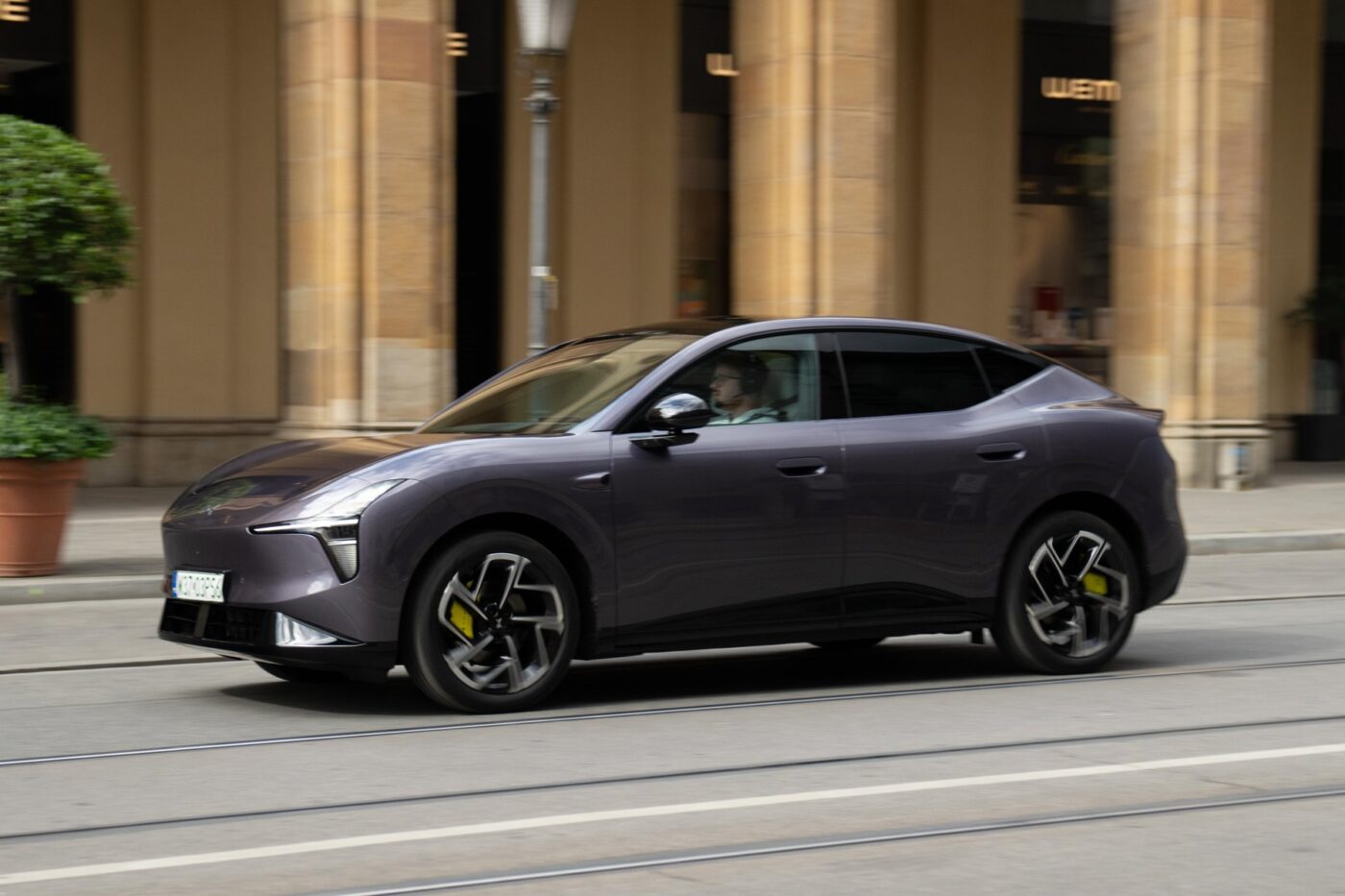
The Ultra SE version adopts two Turing AI chips providing a combined 1,500 TOPS of computing power, supporting a more comprehensive implementation of the second-generation VLA system.
By introducing hardware previously reserved for premium vehicles into a mass-market SUV priced around 150,000 yuan, Xpeng is seeking to differentiate itself through software and computing capability rather than conventional performance metrics alone.
Google Maps Partnership Supports Global Rollout
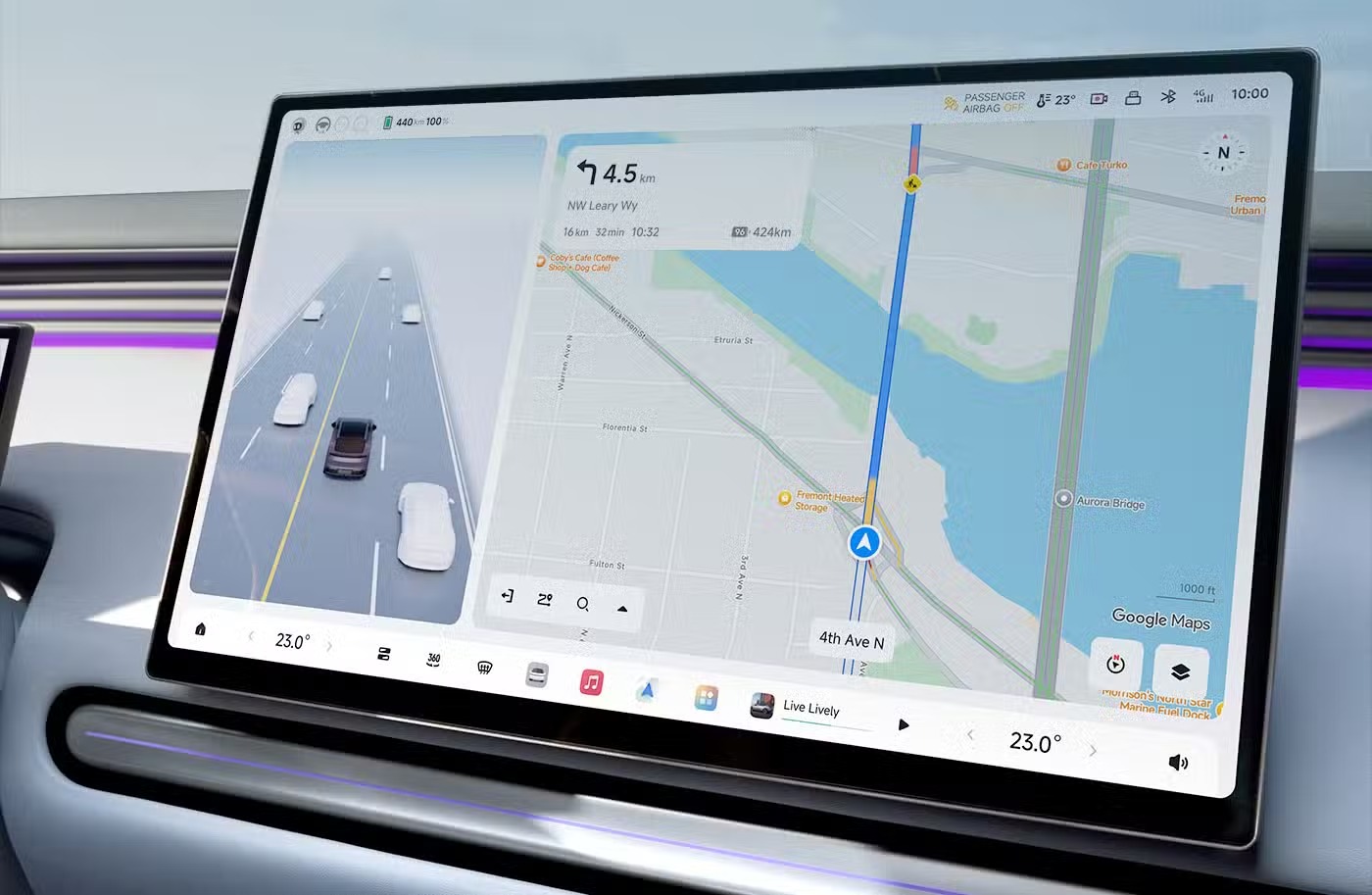
Alongside the vehicle launch, Xpeng confirmed that overseas versions of the Mona L03 will become the first models to integrate the Google Maps Auto Software Development Kit (SDK).
The native Xpeng navigation system will incorporate Google Maps’ core technologies, including real-time traffic information, intelligent route planning, destination search and electric vehicle navigation, without requiring users to install separate applications or connect smartphones.
Google Maps’ in-vehicle data services will also provide mapping support for Xpeng’s Next Generation Pilot (NGP) and Xpilot Assist intelligent driving systems, laying the technological foundation for deploying VLA 2.0 internationally.
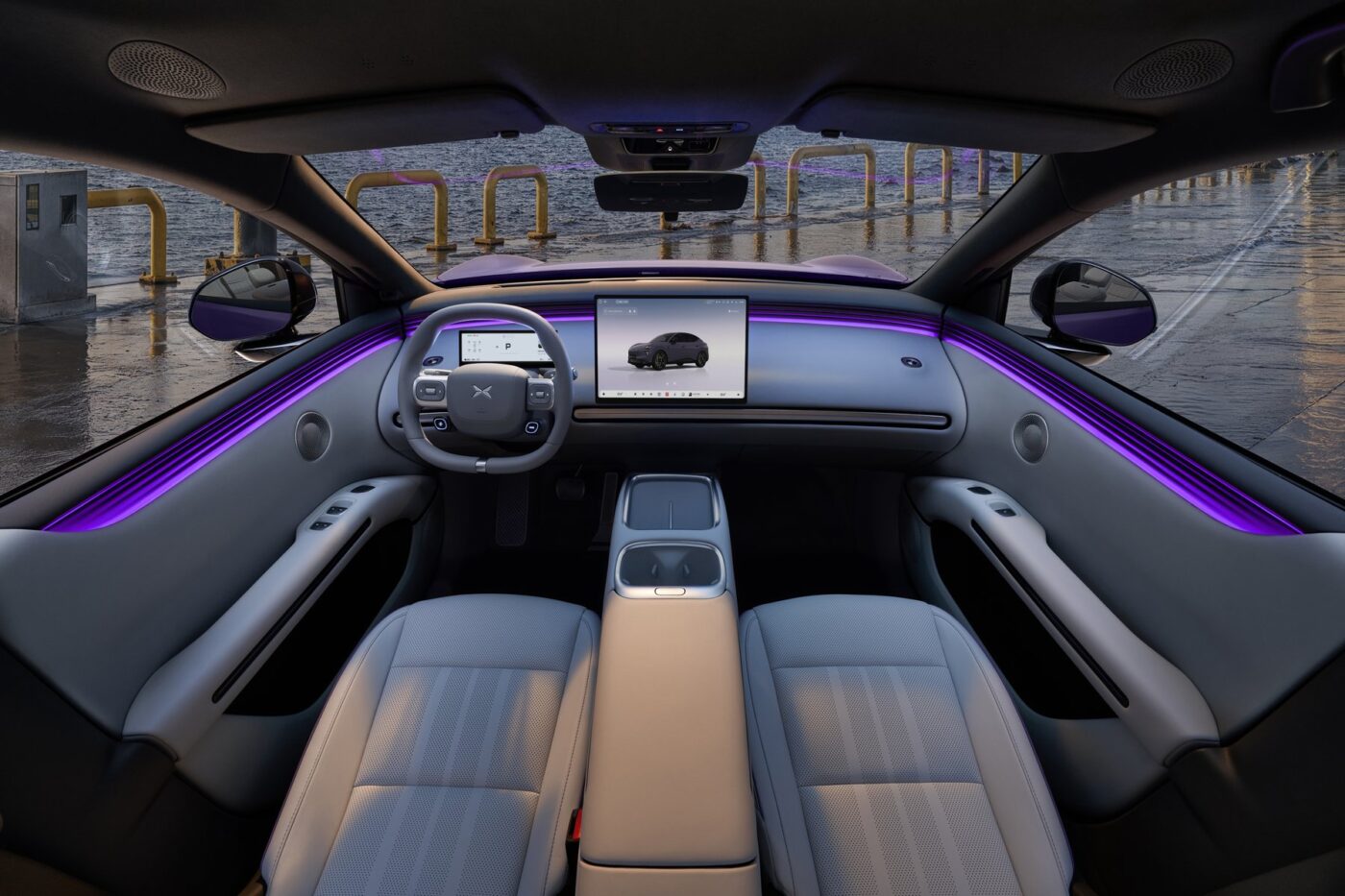
Earlier this week, Xpeng completed European localization testing of its second-generation VLA system in Germany. According to the company, the system can already recognize European road signs, understand certain right-of-way rules and navigate narrow streets, complex urban roads and parking environments with minimal additional training.
However, Xpeng acknowledged that broader deployment across Europe will require compliance with different national regulations, legal frameworks and consumer expectations surrounding advanced driver-assistance systems.
Europe Becomes a Strategic Growth Market
The Mona L03 launch forms part of Xpeng’s wider European expansion strategy.
The company has established a research and development center in Munich, initiated localized production in Austria and expanded cooperation with suppliers including Bosch and BASF.

Xpeng also plans to strengthen its commercial footprint by working with more than 150 dealerships across Europe while building over 1,000 self-operated supercharging stations in 13 European countries. Its X-Energy megawatt charging and energy storage stations are also scheduled to enter the European market.
While the broader international strategy offers opportunities to diversify revenue beyond China, Xpeng continues to face the challenge of building brand recognition, expanding after-sales services and competing against long-established European automotive manufacturers in one of the world’s most competitive vehicle markets.