
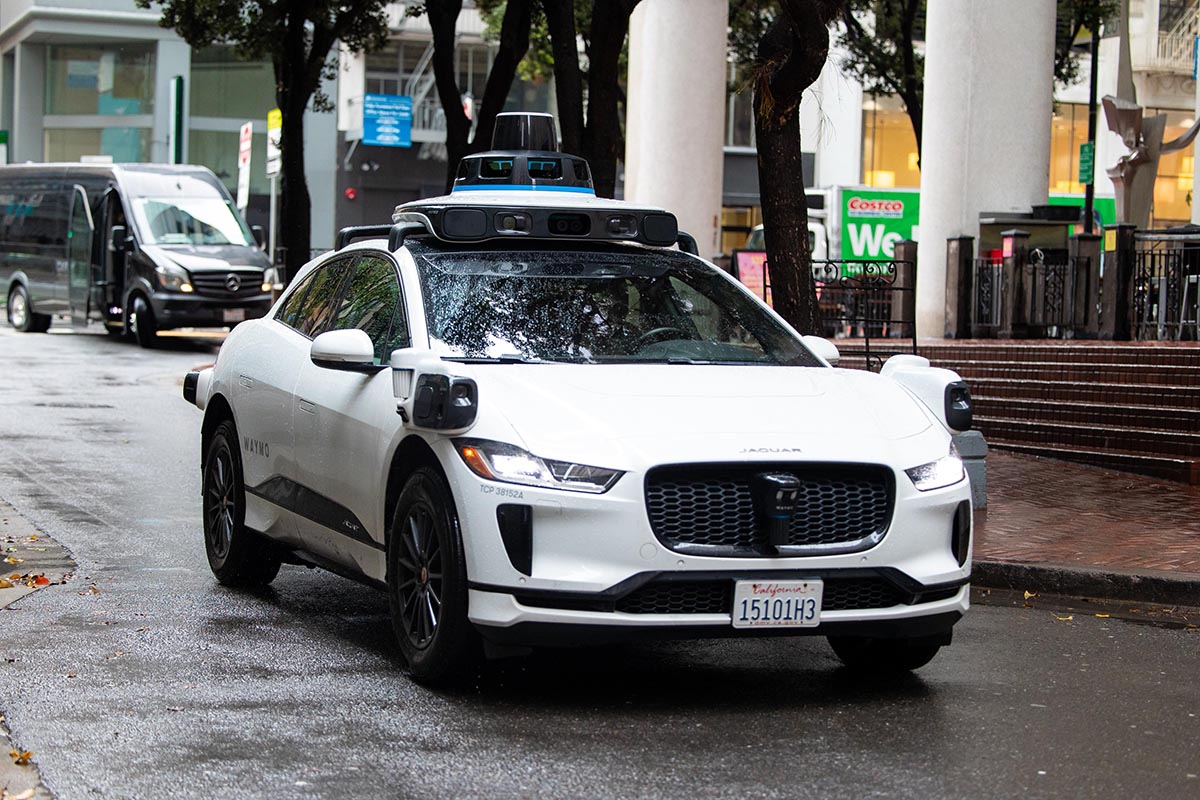
Autonomous taxis operated by Waymo, the self-driving technology division of Alphabet, have adopted a significantly more assertive driving style, departing from their initially cautious and strictly rule-following approach. This change, confirmed by Waymo, is intended to enhance traffic integration but has generated a mixed reaction from the public and observers.
For years, Waymo vehicles were characterized by their highly defensive behavior, often prompting criticism from passengers and other road users for “getting stuck” or hesitating excessively when merging or at intersections. This style, while minimizing risky maneuvers, was seen as disrupting the overall flow of traffic.
See also: Waymo to File Voluntary Software Recall Over Robotaxi Behavior Near School Buses
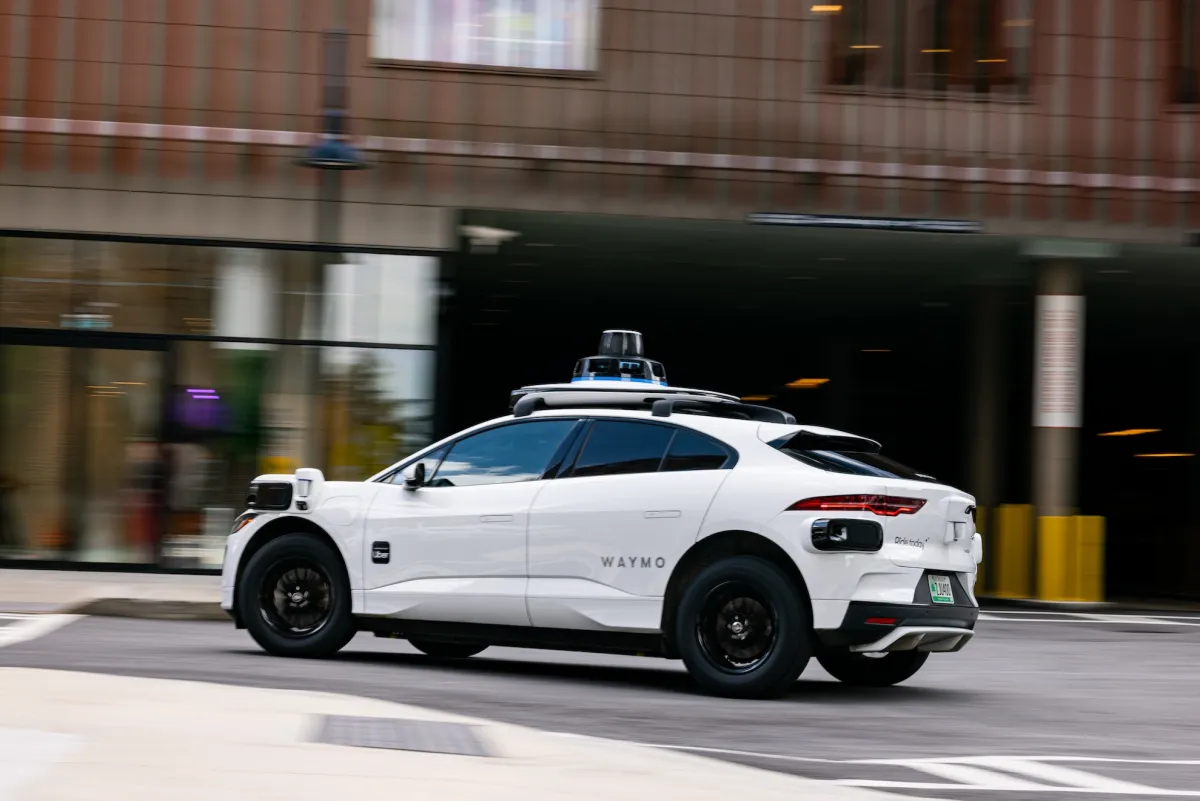
Recent reports, including coverage in the German publication Spiegel Online, indicate that the robotaxis are now operating with greater confidence. Passengers have observed the vehicles hesitating less, navigating closer around obstacles, and accelerating more quickly during overtaking. The shift has led some to describe the new driving behavior as reminiscent of an aggressive human ride-share driver, rather than a cautious, software-driven robot.
The Wall Street Journal has also documented examples of the assertive driving, including instances of vehicles performing the ‘California Stop’ at stop signs and executing illegal U-turns.
Waymo Product Director Chris Ludwick confirmed the programming adjustment. Ludwick explained that a primary motivation was to ensure the robotaxis operate assertively to prevent them from disrupting traffic flow. While the vehicles maintain programming to follow traffic laws, they are now expected to apply “common sense” and consider relevant “nuances” when making decisions.
See also: Waymo Expands Robotaxi Testing to Four More U.S. Cities
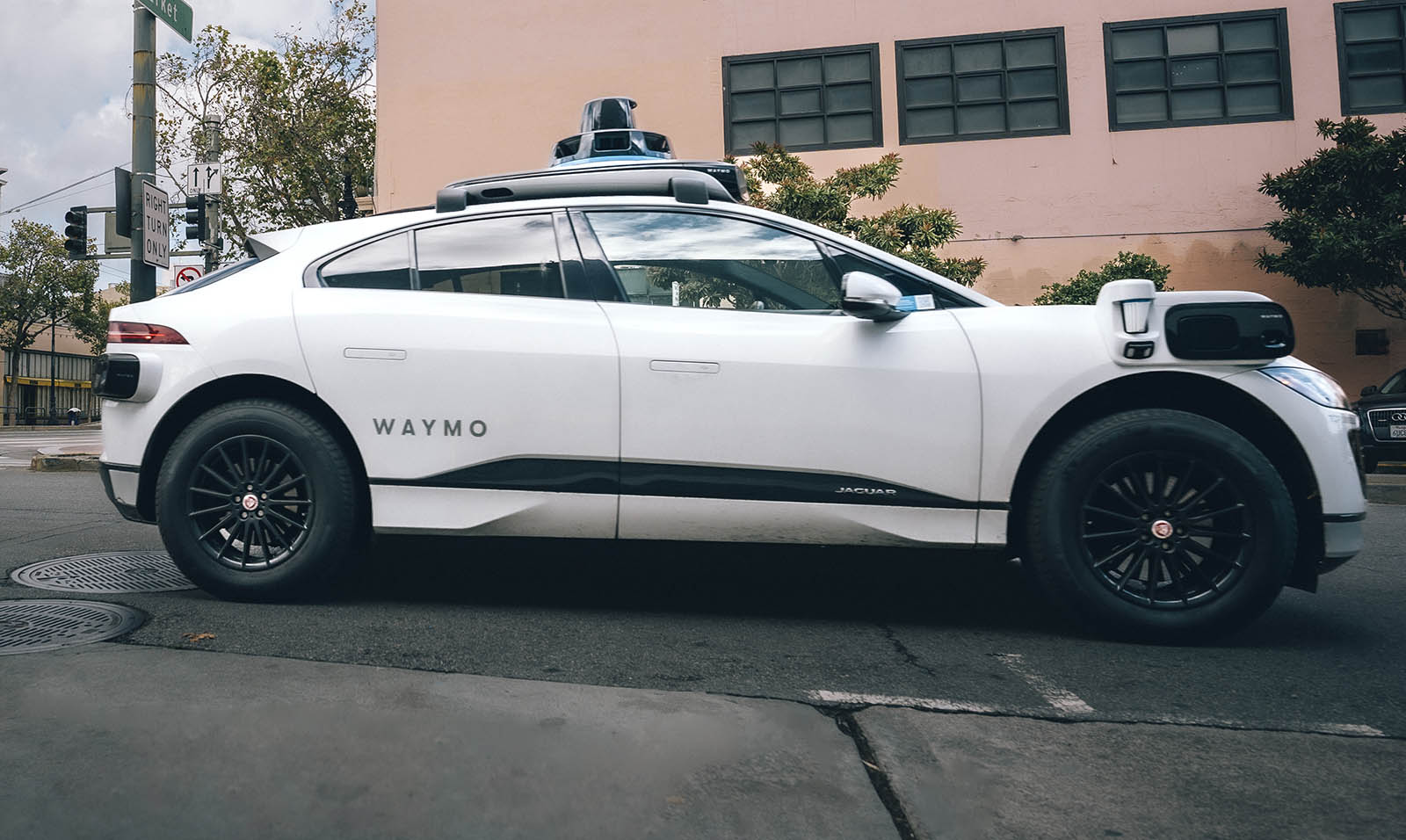
The change comes as autonomous vehicles face increased regulatory scrutiny. Police in San Bruno, California, recently stopped a driverless Waymo for an illegal U-turn. Although the vehicle successfully pulled over, officers could not issue a citation due to current state laws requiring a human driver. However, new California legislation is set to take effect in July 2026 that will allow operating companies, such as Waymo, to be held directly liable for traffic violations committed by their autonomous vehicles.