
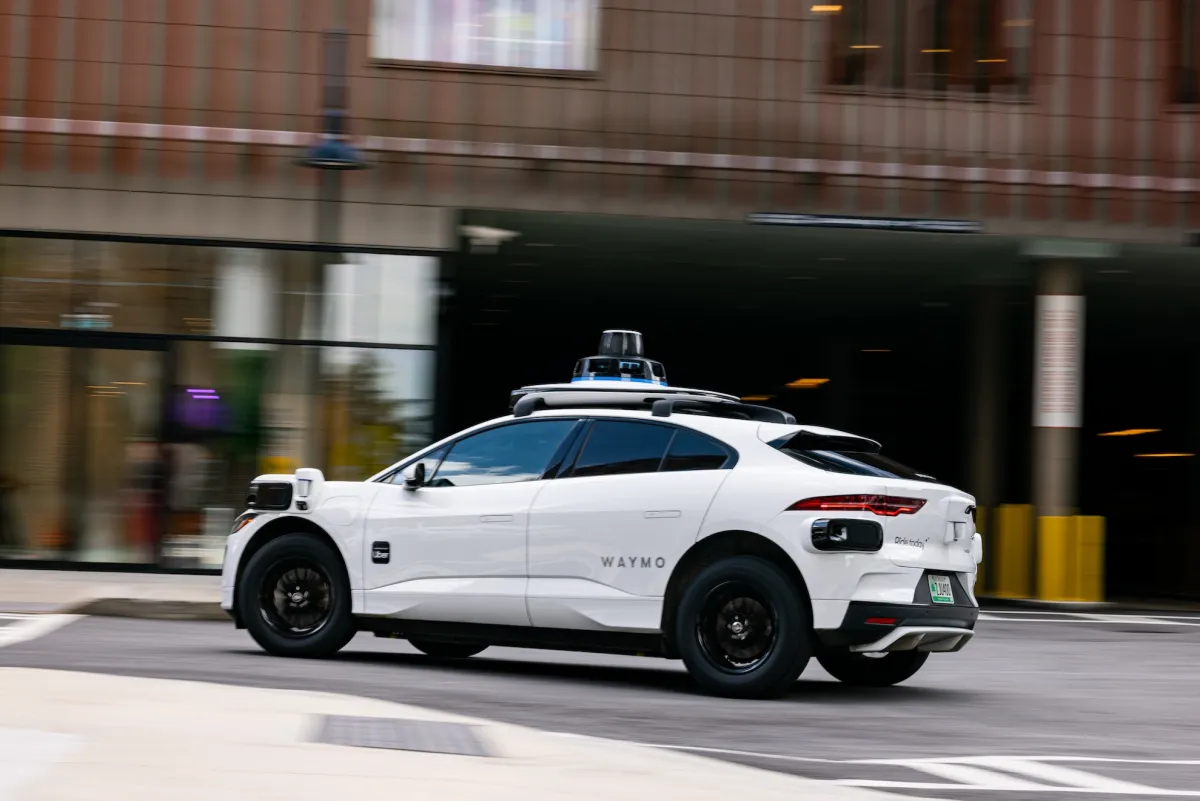
Alphabet’s self-driving unit Waymo said on Wednesday it has begun expanding its autonomous vehicle testing programme to four additional U.S. cities, adding Philadelphia, Baltimore, St. Louis and Pittsburgh to its growing national footprint.
Waymo has started on-road testing with safety monitors in Philadelphia, while vehicles in Baltimore, St. Louis and Pittsburgh will initially be driven manually to collect mapping and traffic data. The company did not provide a timeline for launching commercial robotaxi services in those locations or confirm whether it would operate alone or through partners, as it has done with Uber in cities such as Atlanta and Austin.
See also: Waymo Data Shows Most Robotaxi Trips Carry Two Passengers or Fewer
The new sites join more than 20 cities where Waymo is already offering rides, preparing for commercial deployment or conducting testing. The company has also expanded freeway access for its robotaxis in Los Angeles, Phoenix and the San Francisco Bay Area, as part of broader plans to scale its autonomous mobility services.
Waymo has said it aims to reach one million paid robotaxi rides per week by the end of 2026. The company has also promoted safety data indicating that it is operating “five times safer than humans,” based on internal performance metrics it recently released.
See also: Waymo Becomes First Autonomous Vehicle Developer to Pass TÜV SÜD Independent Safety Audits
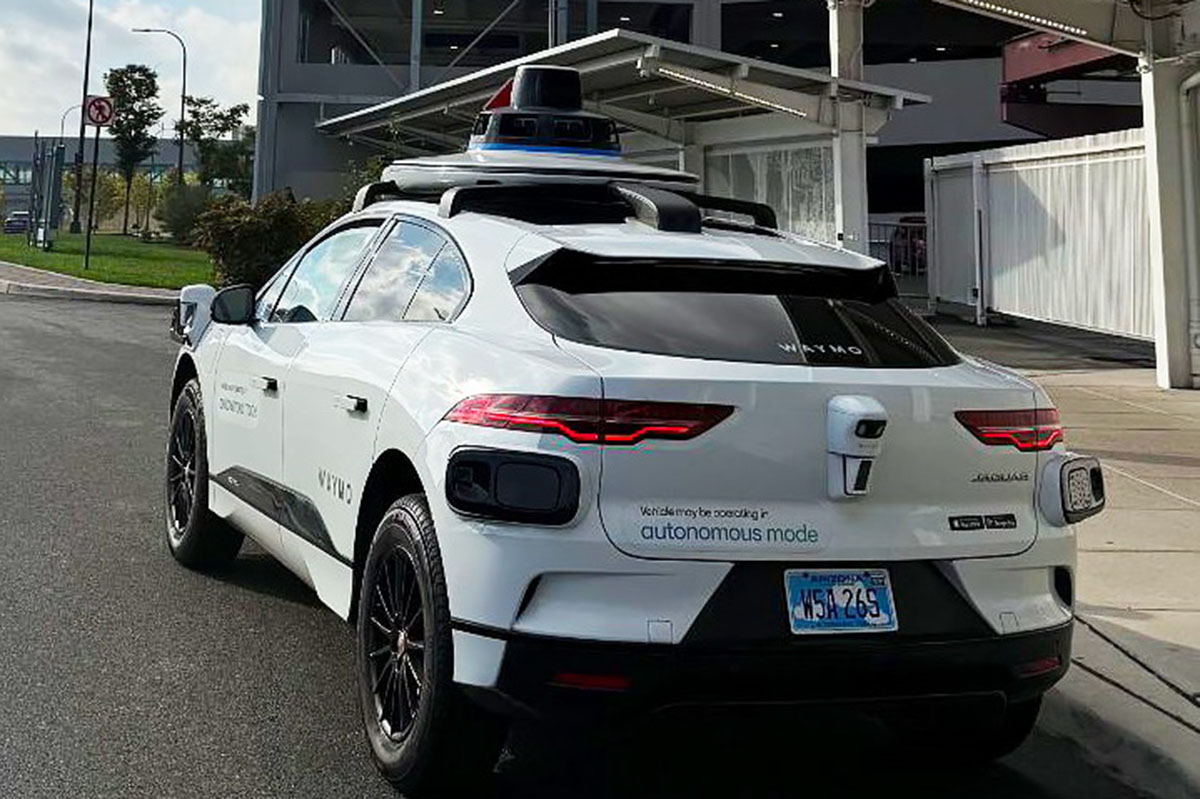
The expansion comes as regulators continue to scrutinise the technology. The U.S. National Highway Traffic Safety Administration is investigating Waymo’s behaviour around school buses after one of its vehicles was filmed passing a stopped bus in Atlanta in September.
Last month, Waymo also received expanded approval from the California Department of Motor Vehicles to operate fully autonomous vehicles across wider regions of the state. In November, the company said it would extend robotaxi operations to Minneapolis, Tampa and New Orleans and begin removing safety operators from its fleet in Miami ahead of a planned commercial rollout in 2026.