
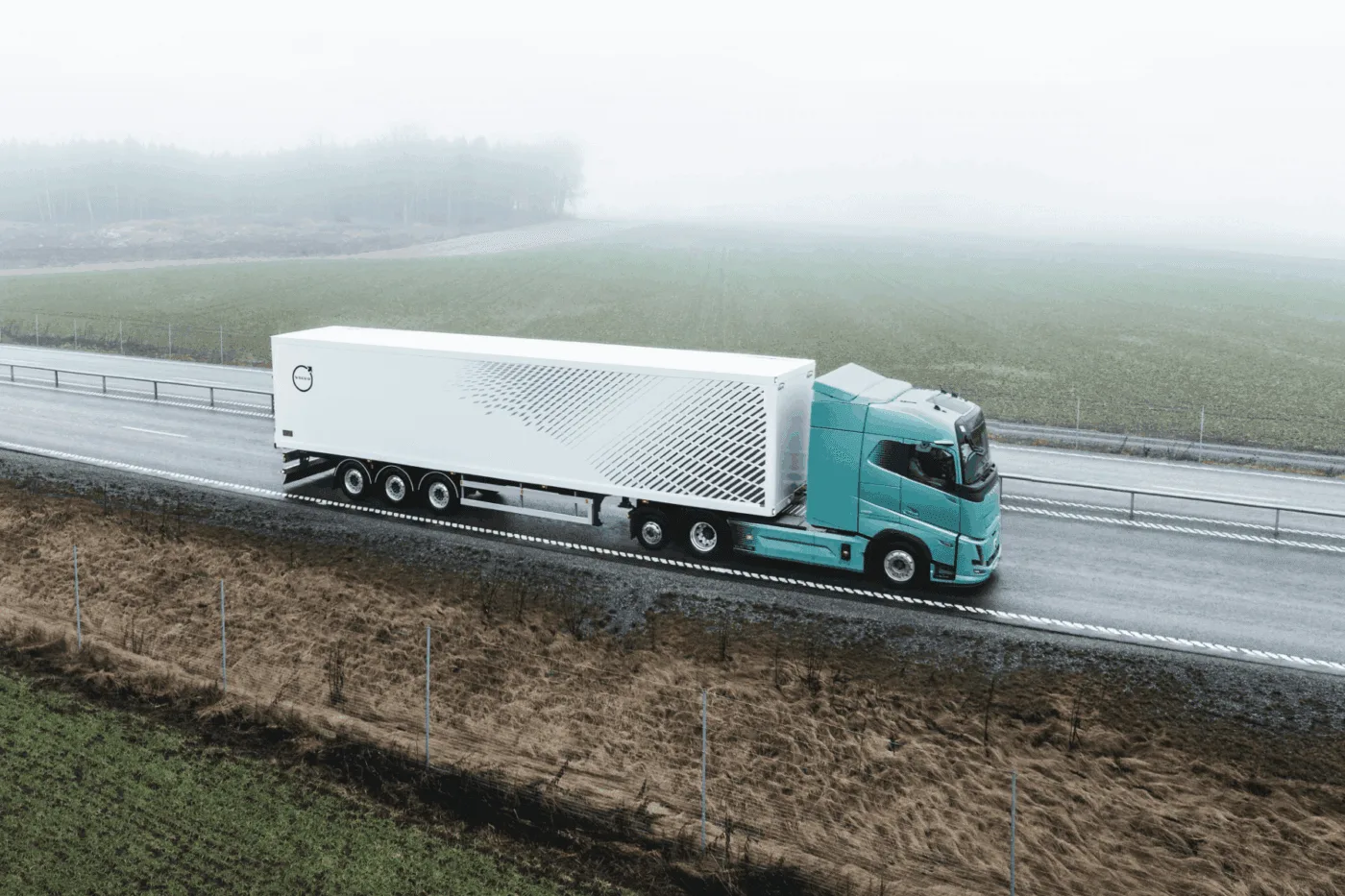
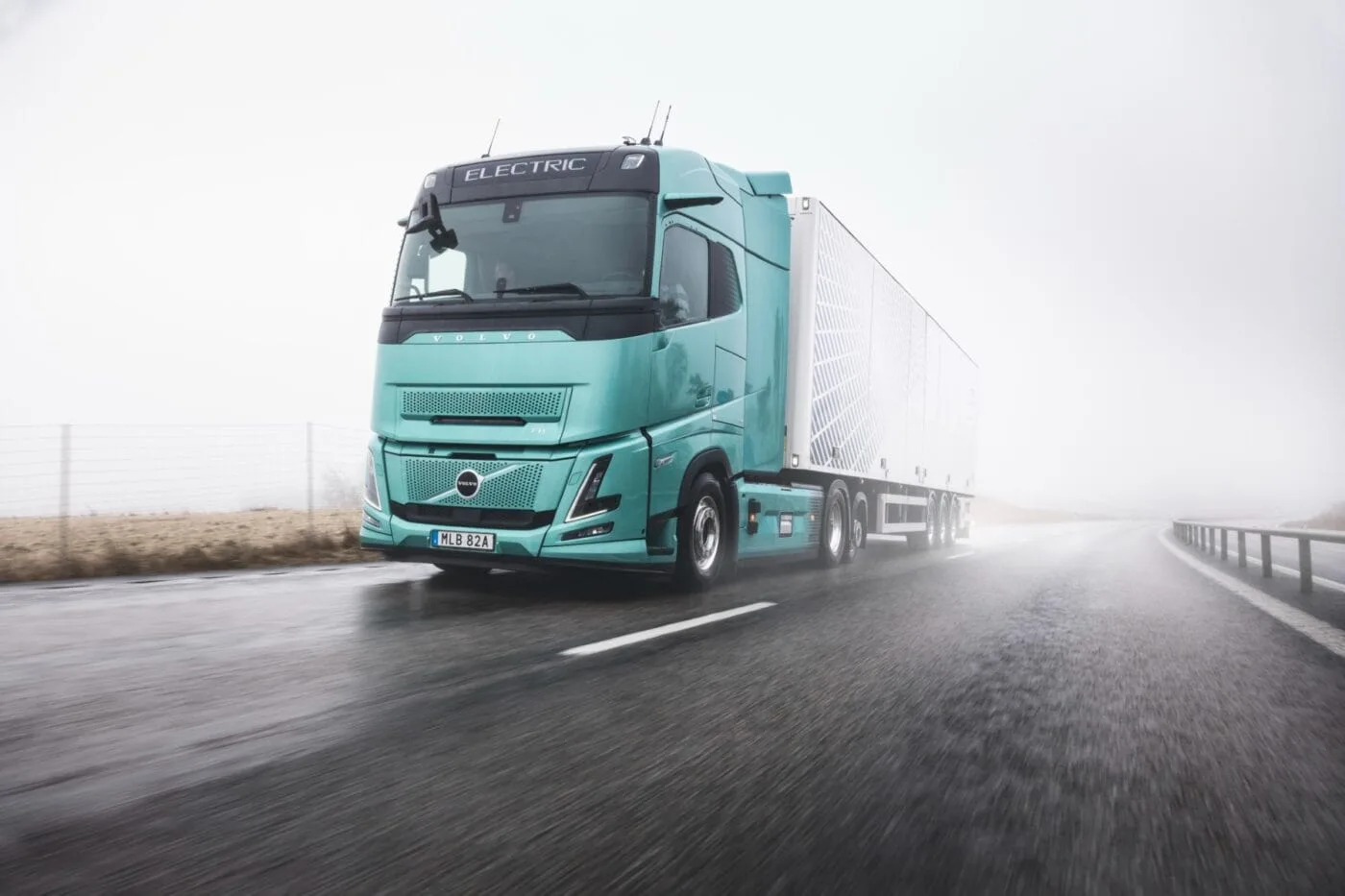
Volvo Trucks plans to launch its long-distance electric truck, the FH Aero Electric, in the second quarter of 2026, the Swedish manufacturer said on Tuesday, unveiling key specifications and the first images of its upcoming flagship.
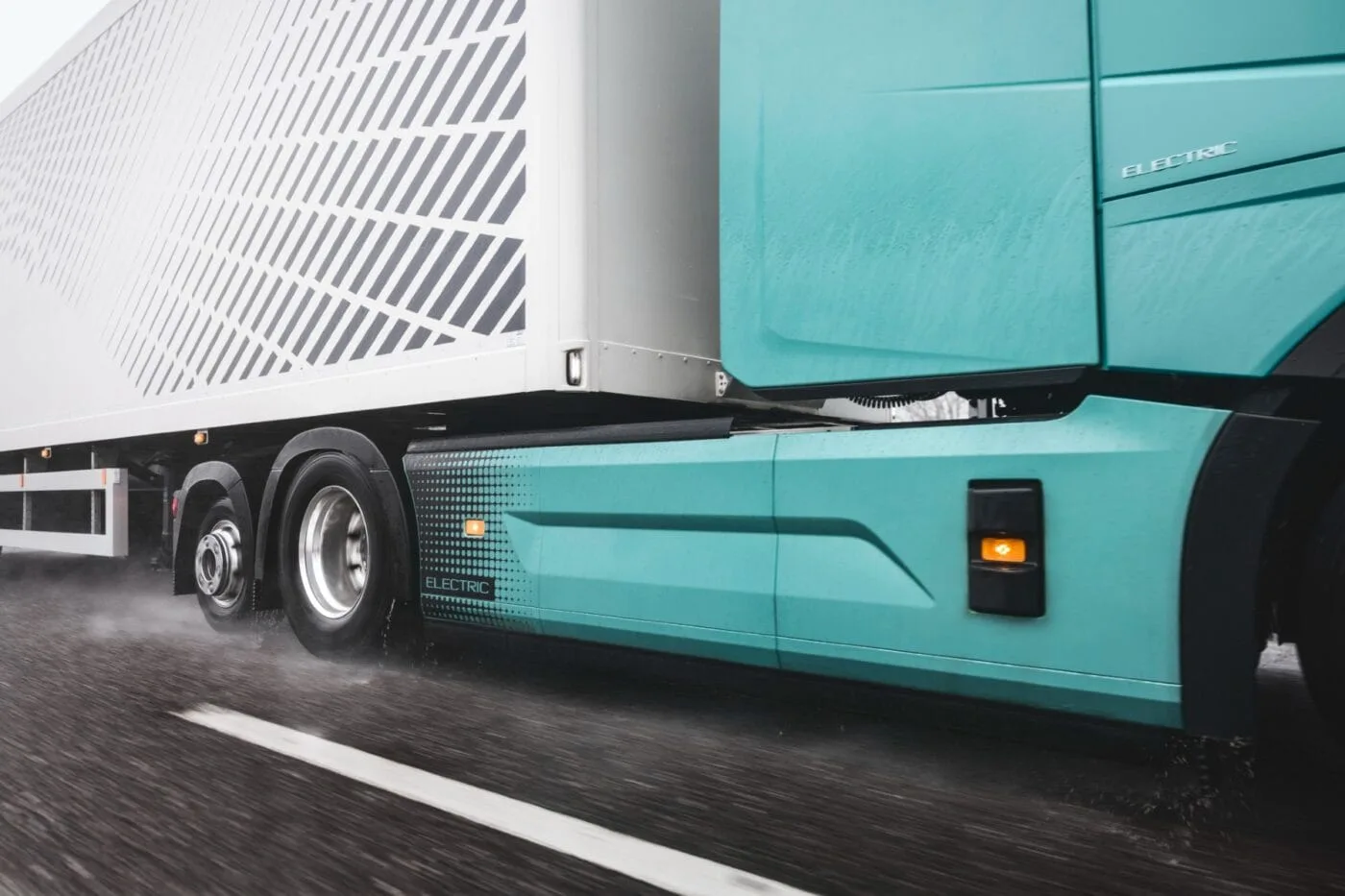
The long-haul electric model is expected to offer a range of up to 600 kilometres and will feature a new e-axle architecture that enables installation of up to eight battery packs, boosting gross capacity to 780 kilowatt-hours – more than any electric truck currently on the market. Volvo said the vehicle will support megawatt charging and can charge from 20% to 80% in approximately 40 minutes.
“Now, transport companies can operate really long distances with electric trucks without having to compromise on productivity,” said Roger Alm, President of Volvo Trucks. “The superfast charging and high payload capacity make this a very competitive solution.”
Originally slated for a 2025 launch, the model’s debut has been delayed by at least six months, Volvo confirmed. Letters of intent are already being accepted, with official orders opening alongside the full launch in 2026.
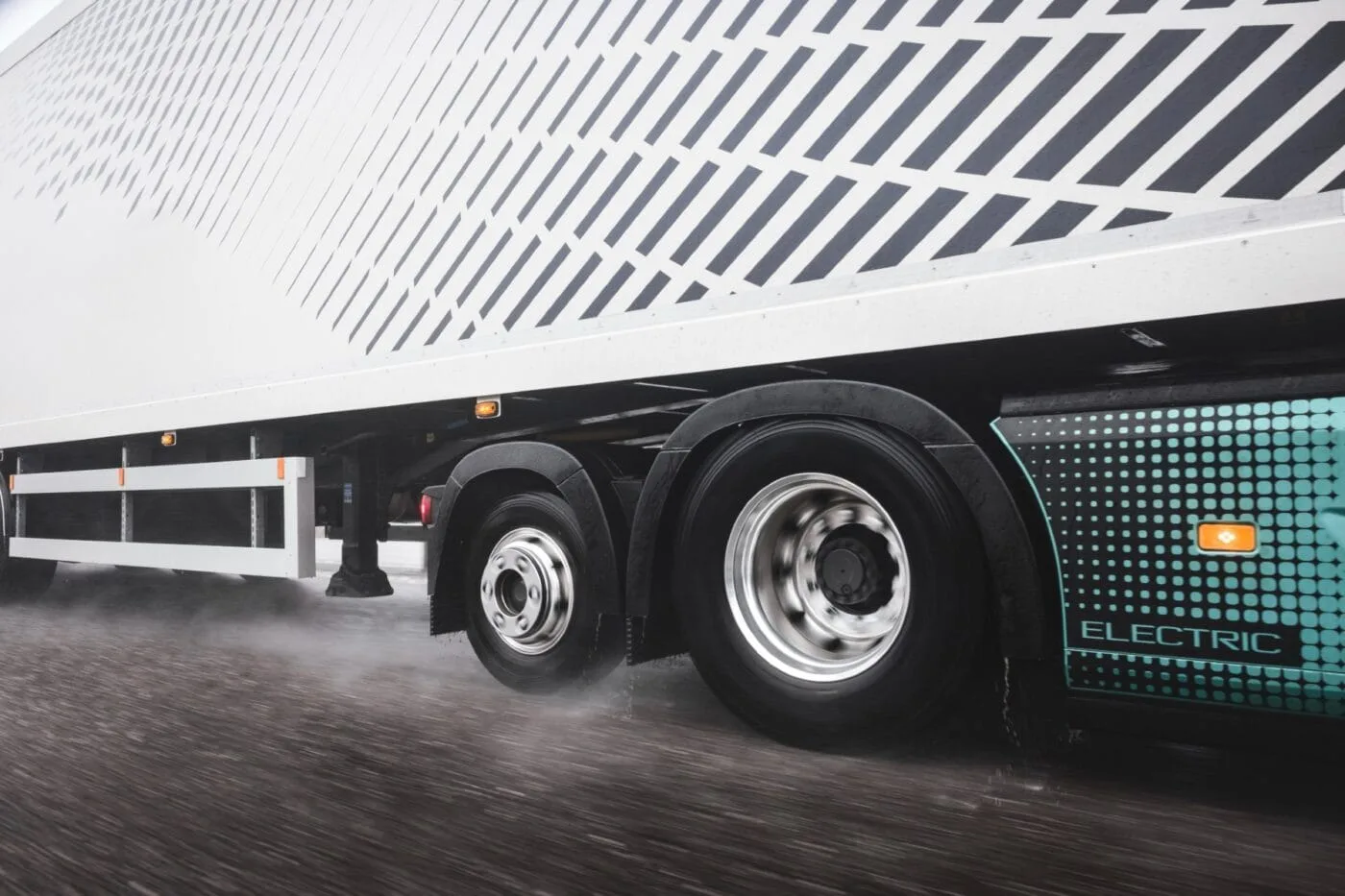
The FH Aero Electric will accommodate a gross combination weight of up to 48 tonnes, where permitted, and is expected to offer a payload capacity comparable to that of a diesel truck. An additional tag axle will support heavy trailers while managing battery weight, Volvo said.
The electric truck is designed for compatibility with the Megawatt Charging System (MCS), allowing it to be recharged during mandated driver rest periods in the EU, helping improve productivity on long-haul routes. Details on charging via the more widely available CCS standard were not disclosed.
While Volvo Trucks maintains a range estimate of up to 600 km, the company did not specify the usable portion of the 780 kWh battery. The firm also did not confirm whether it will continue using nickel-cobalt-aluminium (NCA) battery chemistry, previously employed in its six-pack 540 kWh configuration.
The FH Aero Electric’s aerodynamic cab – also previewed for other drivetrains – features sealed surfaces, integrated side fairings, and a camera system replacing traditional side mirrors. Volvo says the design, paired with technical upgrades, improves both efficiency and payload.
“This is a real breakthrough in zero-emission transport,” said Alm. “Long-haul electric trucks will play a key role in reducing CO₂ in the sector, since this is where you can save the most per truck. This is positive news for transport companies and for society.”
Volvo Trucks has delivered over 4,900 electric trucks to customers in 49 countries since starting series production in 2019. The new FH Aero Electric will expand the company’s electric portfolio to include long-distance applications, complementing existing electric models for urban, regional, and construction use.