
Volkswagen plans to phase out the “ID” branding used for its electric vehicles beginning in 2026, as the German automaker seeks to simplify its product lineup and reduce consumer confusion. The decision marks a shift in strategy for one of Europe’s largest carmakers as it repositions itself in the increasingly competitive EV landscape.
The move will see Volkswagen abandon the alphanumeric “ID” prefix—originally launched in 2017 with the ID.3 concept and subsequently used across models such as the ID.4, ID.5, and ID.7—in favor of more traditional model names. “The cars will get proper names again,” said Martin Sander, Volkswagen’s board member for sales, marketing, and after sales, in an interview with Auto und Wirtschaft. “This will become apparent when we launch new models – neither the ID. 2all nor the ID. Every1 concepts will carry these names in production.”
See also: Volkswagen Confirms MEB+ Platform Launch with ID.2, Shifts to Cost-Cutting LFP Batteries
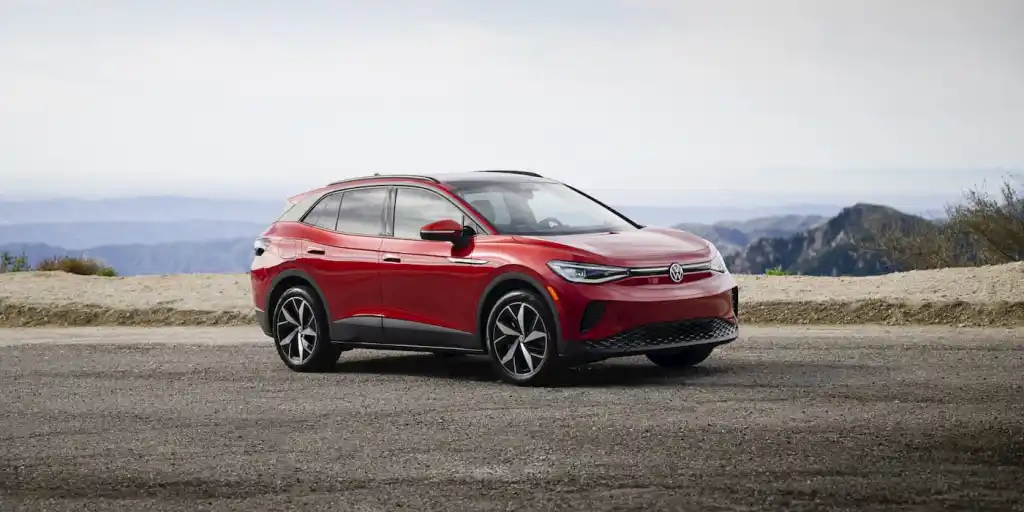
While specific names have not been confirmed, Volkswagen has hinted that some well-known nameplates, including Polo, Golf, and Tiguan, could be applied to future electric models. The ID.2, scheduled for release in 2026, is expected to debut under a new name, potentially honoring the Polo as it marks its 50th anniversary. Meanwhile, an entry-level EV currently known as the ID.1 may also be rebranded when it arrives in 2027.
Volkswagen has set ambitious targets for its next-generation electric vehicles. The production version of the ID. 2all is expected to start at €25,000 ($27,900), while the follow-up model—previously dubbed ID. Every1—could be priced as low as €20,000 ($22,300). “With the production version of the ID. 2all, we are entering a completely different price range,” Sander said, adding that cost-cutting initiatives and falling battery prices will support the profitability of these models. “Everything regarding costs is being scrutinized… You can’t build a project like this on hope – instead, we rely on solid success figures and plans.”
See also: Volkswagen Unveils Three Concept EVs in China as Part of Model Offensive
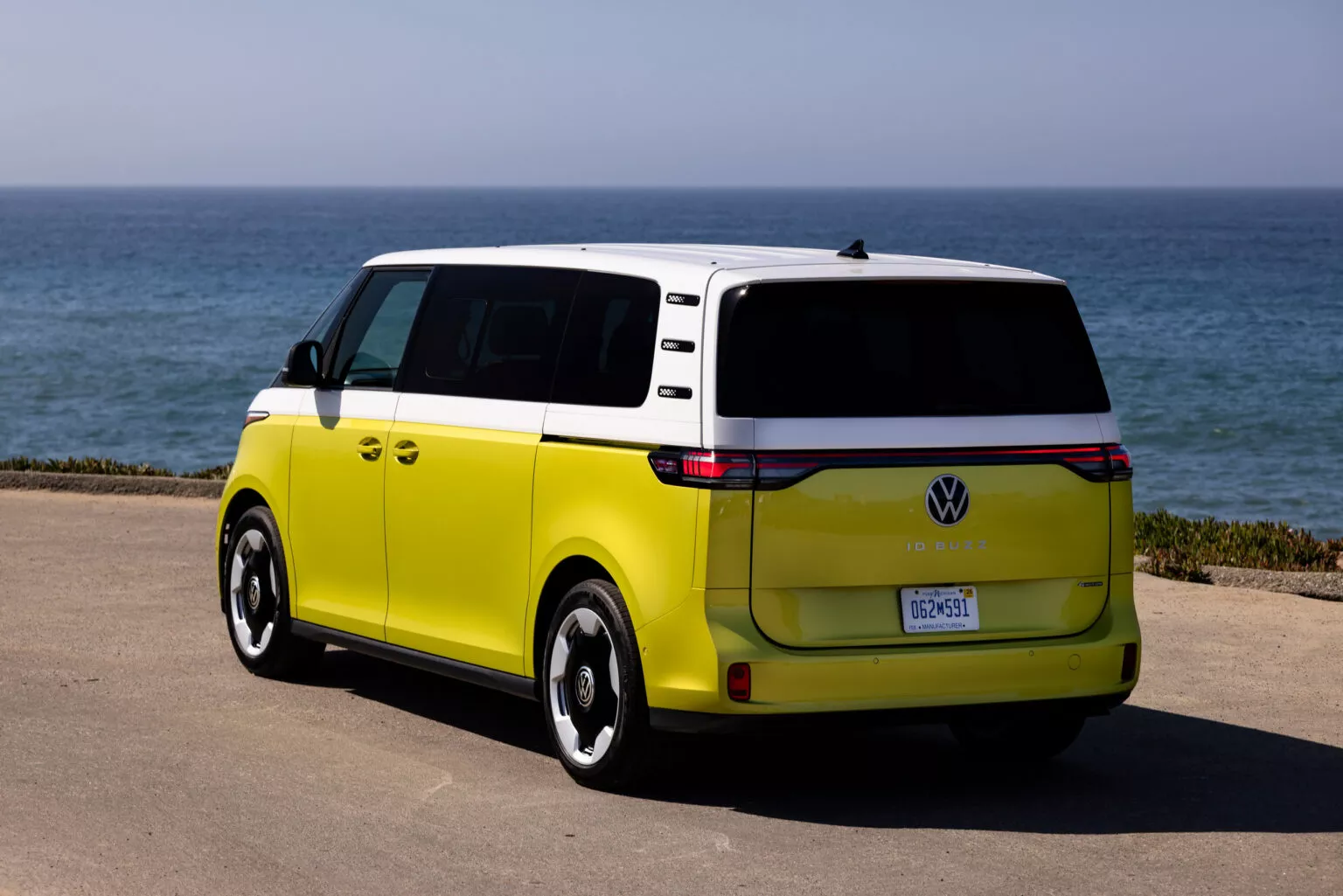
The company is also preparing to revamp its existing EV portfolio starting in 2026, coinciding with the rollout of the updated naming scheme. In parallel, Volkswagen is developing electric versions of well-known internal combustion models, including the Golf and T-Roc, which are expected later in the decade. The company aims to distinguish these EVs from fossil-fuel variants that will remain in production for several more years.
Despite pressures from more affordable Chinese rivals, particularly in the EV segment, Volkswagen is maintaining its long-term growth strategy in the region. “We are not buying market share, but investing in our long-term strategic goals,” said Sander. He acknowledged the challenges in China’s highly competitive market but emphasized Volkswagen’s continued strength in the combustion engine segment. “We are the clear market leader in China in the still highly profitable segment of vehicles with combustion engines,” he added.
See also: Volkswagen Develops In-House Automated Driving System Through China Joint Venture
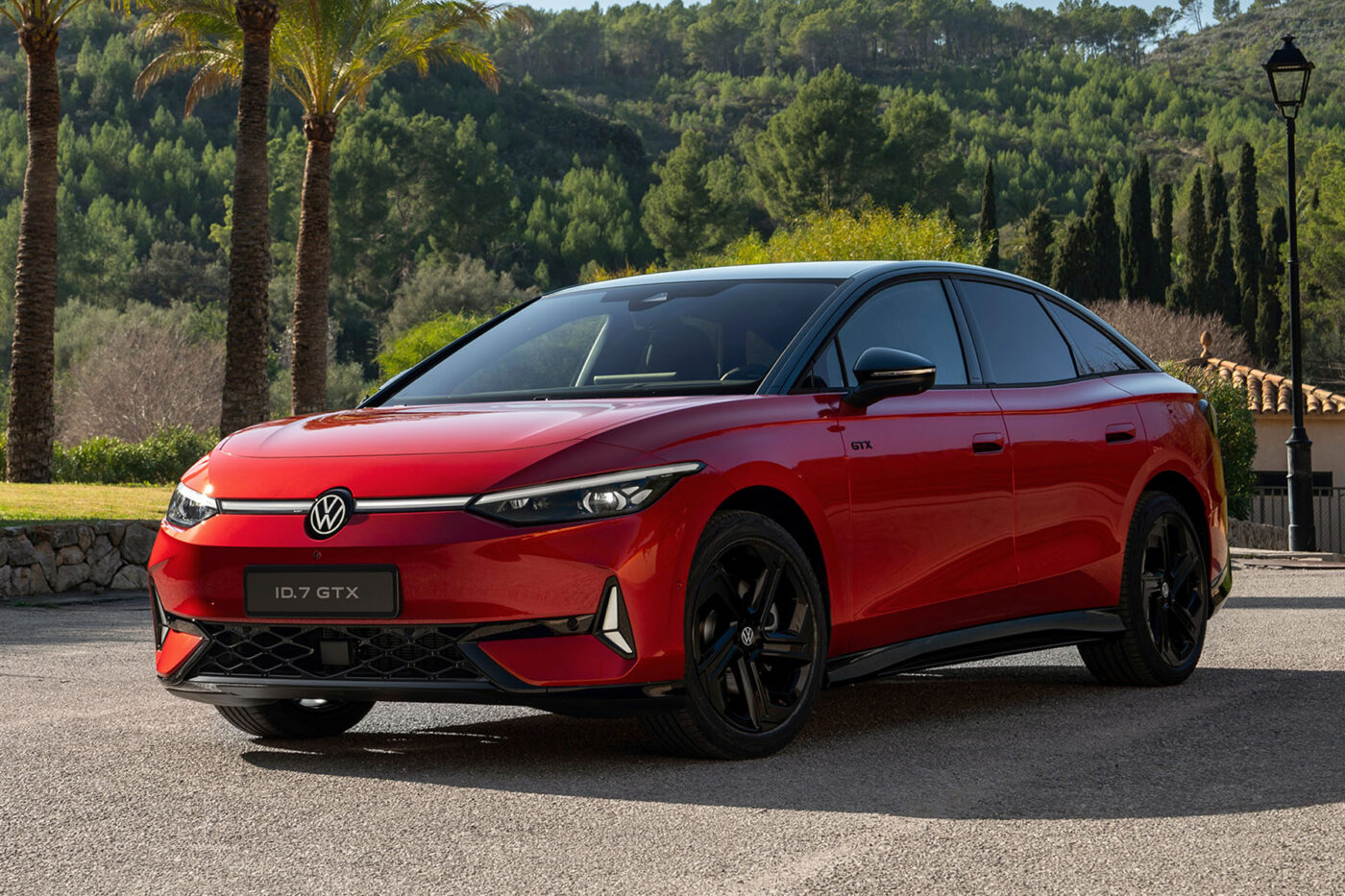
As Volkswagen realigns its branding and product strategy, it continues to bet on the long-term dominance of electric mobility. “We are convinced that electromobility will prevail because electric cars are the better product,” Sander said.