




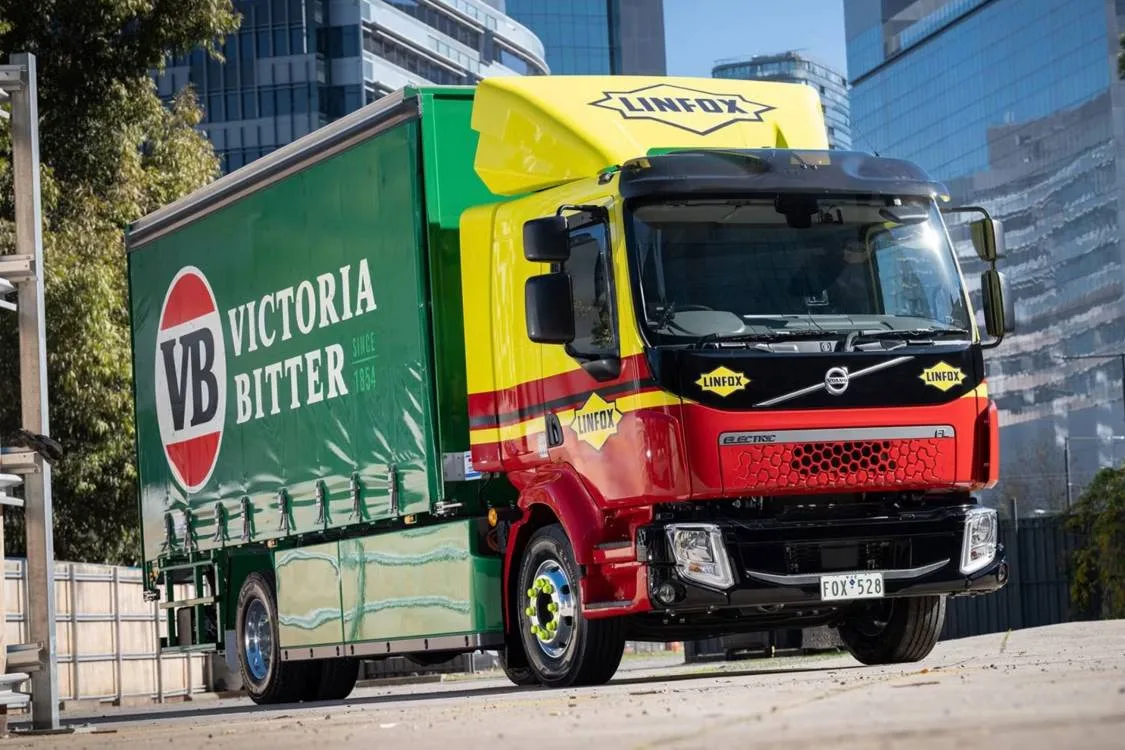
The Victorian government has launched a comprehensive freight strategy that includes an $8 million Freight Sector Innovation Fund, aimed at helping logistics companies reduce emissions and expand electric vehicle infrastructure across Australia’s second-most populous state.
The new plan, announced after consultation with more than 100 industry stakeholders, outlines a broad set of measures to support decarbonisation across the freight sector. This includes encouraging the use of electric trucks, enhancing road, rail, and port infrastructure, and conducting feasibility studies on green methanol bunkering. The state also plans to develop Green Shipping Corridors to promote regional emission reductions.
“With the freight task expected to more than double by 2050, supporting industry to decarbonise is crucial to maintaining efficiency and economic competitiveness,” the state government said in a statement. Victoria’s freight volume is forecast to grow from 440 million tonnes in 2020–21 to around 908 million tonnes by 2050–51.
“Our plan will support operators to cut carbon emissions – making the industry more sustainable and ensuring freight can move around Victoria efficiently,” said Minister for Ports and Freight Melissa Horne. “This will protect and strengthen Victoria’s competitive advantage, maintain the status of Australia’s freight and logistics capital and support our workforce of 260,000 who keep our supply chains moving every day.”
The Port of Melbourne, which handles more than one-third of Australia’s containerised trade, is central to the plan. Its role in implementing greener shipping and port strategies is expected to play a key part in reducing national emissions from overland freight.
While the government hinted at plans to become the first Australian state to sign a global Memorandum of Understanding on freight decarbonisation, it has not specified which international agreement it intends to join.


