




A research team at the University of Wisconsin–Madison has developed a new electrochemical process that could make recycling lithium iron phosphate (LFP) batteries more economical, addressing a growing challenge as electric vehicle adoption accelerates.
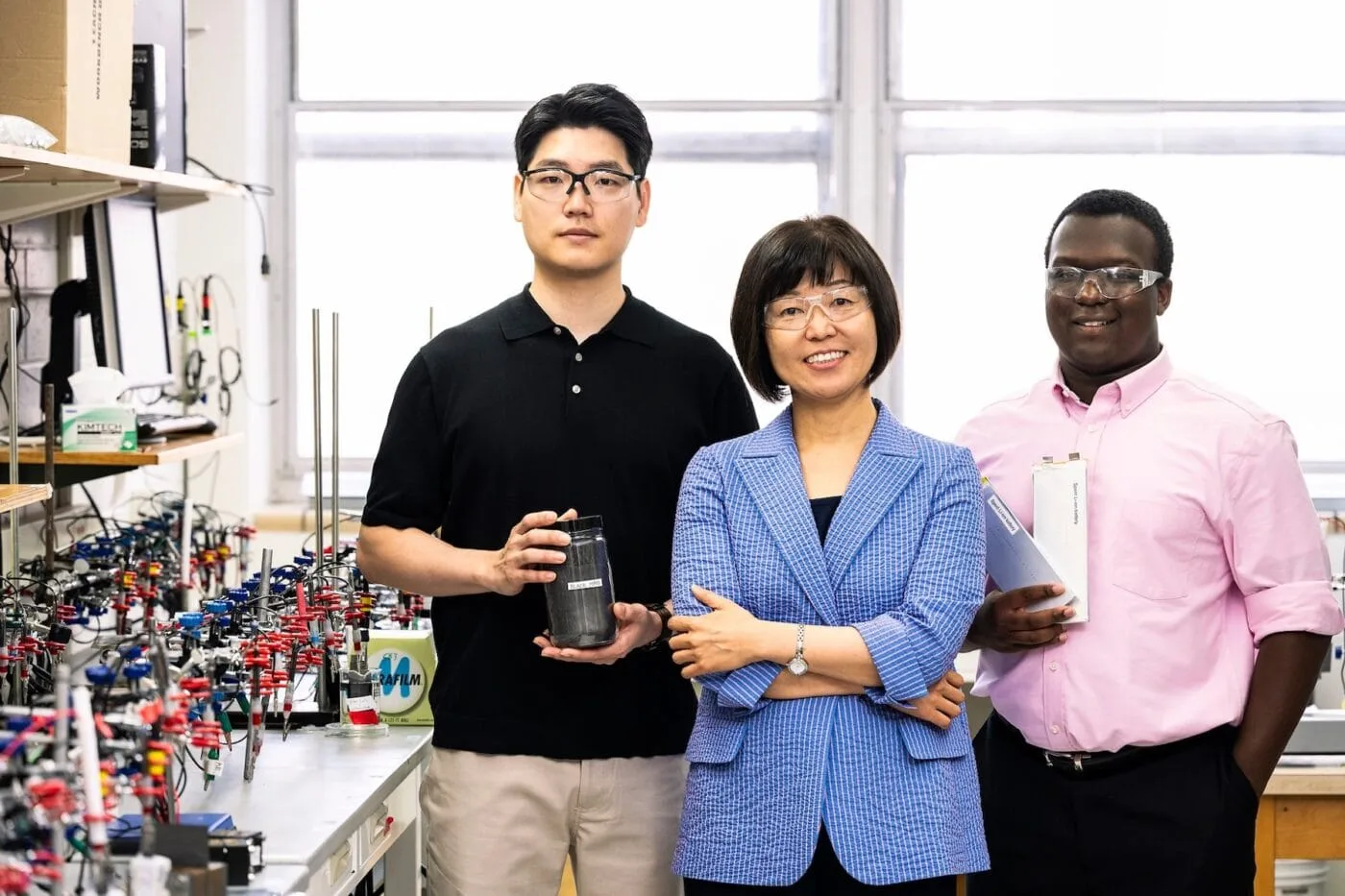
Recycling of traction batteries remains rare and costly despite their valuable raw materials. LFP batteries, used increasingly by automakers, have been considered less attractive to recycle than nickel manganese cobalt (NMC) batteries because they contain iron and phosphorus rather than higher-value metals like nickel and cobalt. “At this point, there’s no economically compelling method to recover lithium from spent LFP batteries even though the market is shifting to them,” said chemistry professor Kyoung-Shin Choi, who led the research team.
The process developed by Choi’s group extracts lithium ions from used batteries, stores them in a lithium-ion electrode, and then releases them into a separate solution, producing high-purity lithium chemicals. Unlike conventional hydrometallurgical methods, the process avoids strong acids and bases, consumes fewer reagents, and produces less waste. “The technology works, but it is important to scale it up in the most cost-effective manner,” Choi added.
The team has tested the method on old LFP cells as well as black mass, the ground material from spent batteries, and has patented the process. A spin-off company is planned to commercialize the technology, which has attracted interest from several battery and automotive manufacturers. The project is supported by Samsung. From 2031, the European Union will require new batteries to contain at least 6% recycled lithium, increasing to 12% by 2036, raising pressure on the industry to find cost-effective recycling solutions.


