
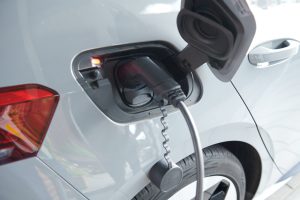



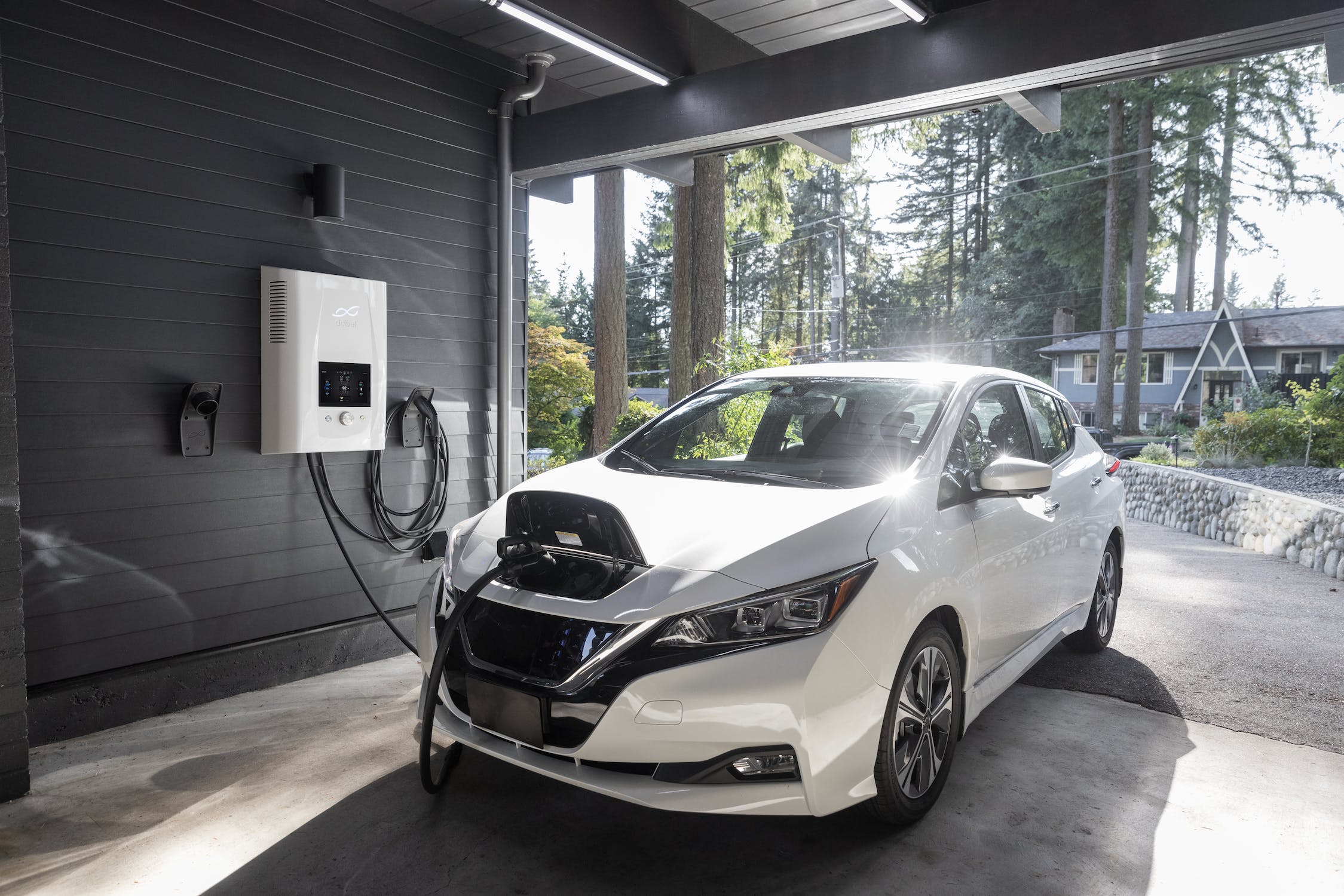
The cost difference between charging an electric vehicle at home and using public charging stations is set to widen after the UK Government announced it will eliminate VAT on household electricity from October 1, 2026.
Under the new policy, the VAT rate applied to domestic electricity bills will fall from 5% to 0%, reducing home charging costs for electric vehicle owners while leaving public charging subject to the existing 20% VAT rate.
Home Charging Becomes Even Cheaper
Prime Minister Andy Burnham announced the measure as part of the government’s broader effort to reduce household energy costs.
“We’re taking immediate action to cut taxes on energy bills, put more money in people’s pockets and bring back hope.”
For EV owners with access to home charging, the tax reduction will further lower already inexpensive charging costs.
However, drivers who rely primarily on public charging infrastructure—including many apartment residents and households without off-street parking—will continue paying substantially higher electricity costs because public charging remains subject to the standard 20% VAT rate.
Calls for Public Charging Reform
The unequal tax treatment has long been criticized by industry groups, but the latest VAT reduction further increases the disparity between home and public charging costs.
UK May Cut 2030 EV Sales Target to 50% as Government Reviews ZEV Mandate
Vicky Edmonds, Chief Executive Officer of EVA England, welcomed the government’s decision to reduce household electricity costs but said it highlights the need for broader reforms.
“For EV drivers who charge at home, it will make cars that can already save them thousands of pounds even cheaper to run. But millions of drivers without a driveway will not fully benefit because they can’t easily access home charging.”
Edmonds said the government’s ongoing Cost of Public Charging Review should introduce structural changes that lower operating costs for charging providers and ensure savings are passed on to EV drivers.
“That means tackling the significant taxes, levies and electricity costs faced by chargepoint operators and ensuring savings are passed directly on to drivers.”
One-Third of Households Lack Home Charging
Around one-third of households across the United Kingdom do not have access to off-street parking or private driveways, limiting their ability to install home charging equipment.
UK Plans Easier Home EV Charging While Appealing VAT Cut on Public Chargers
As electric vehicle adoption continues to grow, industry groups argue that narrowing the cost gap between home and public charging will be essential to ensuring the transition to zero-emission transport remains affordable for all motorists, regardless of where they live.


