




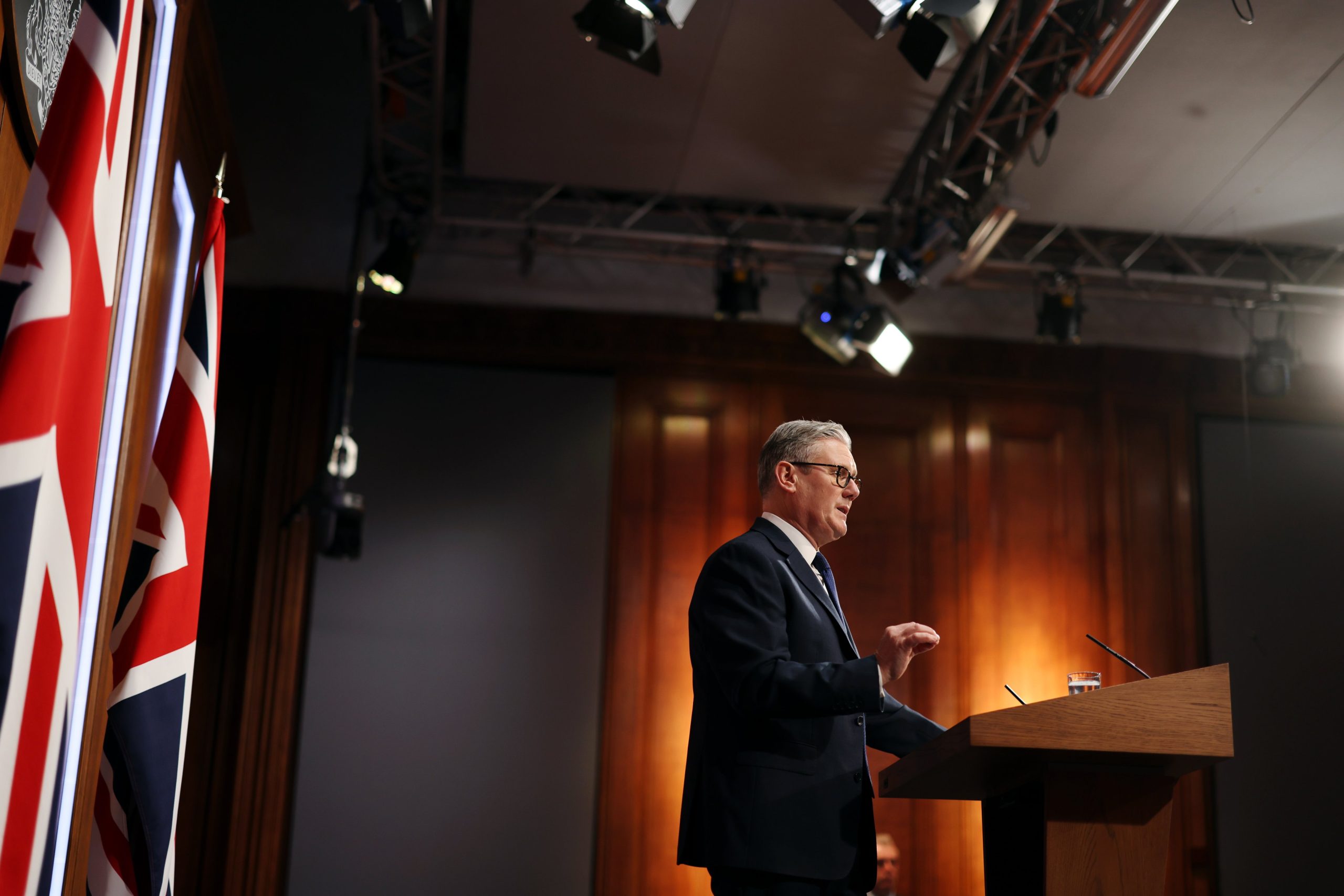
The UK government is reportedly considering a significant reduction in its electric vehicle sales targets, with Prime Minister Keir Starmer expected to support lowering the 2030 zero-emission vehicle (ZEV) mandate from 80% to 50% of new car sales.
The proposed change forms part of an ongoing review of the UK’s Zero Emission Vehicle Mandate, which requires automakers to increase the share of battery-electric and hydrogen fuel-cell vehicles in their annual sales mix.
According to reports from the Sunday Times, the move follows growing pressure from automotive manufacturers and trade unions concerned about the potential impact of current targets on jobs, investment and industrial competitiveness.
Industry Pressure Mounts
The ZEV Mandate was introduced in 2020 under former Prime Minister Boris Johnson and came into effect in 2024.
Under the current framework, zero-emission vehicles were required to account for 22% of new car sales in 2024, rising to 28% in 2025 and 33% in 2026. The target was scheduled to increase steadily to 80% by 2030 and 100% by 2035.
However, concerns have grown within the automotive sector that the pace of the transition may be outstripping consumer demand and placing additional pressure on manufacturers operating in the UK.
Trade unions have also raised concerns about potential employment impacts if production volumes decline or investment shifts to other markets.
Concerns Over Jobs and Investment
Unite General Secretary Sharon Graham recently argued that the existing mandate is contributing to job losses across the British automotive industry.
“The ZEV mandate is significantly contributing to the loss of automotive jobs in Britain. This is a clear fact. The targets must be radically reduced.”
“If the government sits on its hands it will be responsible for the decimation of the automotive industry.”
According to reports, Starmer and Business Secretary Peter Kyle have supported a reassessment of the targets amid concerns that some manufacturers could scale back UK operations or reconsider future investment plans.
Consultation Process Ahead
Despite reports suggesting a 50% target is under consideration, the government has not yet finalized a revised mandate.
A formal consultation process is expected to begin, allowing industry stakeholders, environmental groups and other interested parties to provide input on future targets.
According to separate reports, officials are evaluating a range of options, with possible 2030 targets between 50% and 70%.
The consultation process is expected to take several months before a final decision is announced.
Future of UK Electrification Policy
The review comes as governments across Europe reassess the pace of vehicle electrification amid changing market conditions.
While the UK previously planned to prohibit sales of new pure internal combustion engine cars from 2030 and require all new car sales to be zero-emission by 2035, those timelines could still be adjusted as policymakers balance climate goals with industrial and economic considerations.
The debate also follows recent policy discussions within the European Union, where some elements of the region’s long-term vehicle emissions strategy have been revisited in response to industry concerns.
For automakers, the outcome of the consultation will help determine future investment decisions and product planning in one of Europe’s largest automotive markets as the transition toward electric mobility continues.


