




The U.S. Senate is expected to vote this week on legislation that would block California from enforcing its plan to phase out the sale of new gasoline-only vehicles by 2035, Senate Majority Whip John Thune said on Tuesday.
The measure, which follows House approval on May 1, would repeal a waiver granted by the U.S. Environmental Protection Agency (EPA) under the Biden administration. That waiver allows California to mandate that at least 80% of new vehicles sold by 2035 be electric or zero-emission. Eleven other states, including New York and Massachusetts, have adopted similar rules, collectively representing nearly 40% of the U.S. auto market.
Thune said the state-level mandate could have national implications due to California’s market size and influence. “Automakers around the country would be forced to close down a significant part of their traditional vehicle production with serious consequences,” he said during remarks supporting the measure.
The California Air Resources Board (CARB) has outlined a phased transition, requiring 35% of new light-duty vehicle sales to be zero-emission by the 2026 model year, rising to 68% by 2030. However, some states adopting California’s rules, such as Vermont and Maryland, have delayed implementation.
Major automakers have expressed concern over the timeline, arguing the requirements are not feasible given current electric vehicle (EV) adoption rates. The Alliance for Automotive Innovation, which represents companies including General Motors, Toyota, Volkswagen, and Hyundai, warned that automakers could be “forced to substantially reduce the number of overall vehicles for sale to inflate their proportion of electric vehicle sales.”
California officials maintain that the regulations are critical for environmental and public health goals. The state has argued that the Senate vote could violate existing legal norms. “The administration has emphasized the importance of these minerals for national security and economic growth,” a California statement read, referencing recent executive orders supporting domestic EV infrastructure.
Democratic lawmakers have raised procedural objections to the Senate vote, citing a March report from the Government Accountability Office stating that the EPA waiver may not be repealed under the Congressional Review Act. That law allows Congress to overturn federal regulations with a simple majority vote.
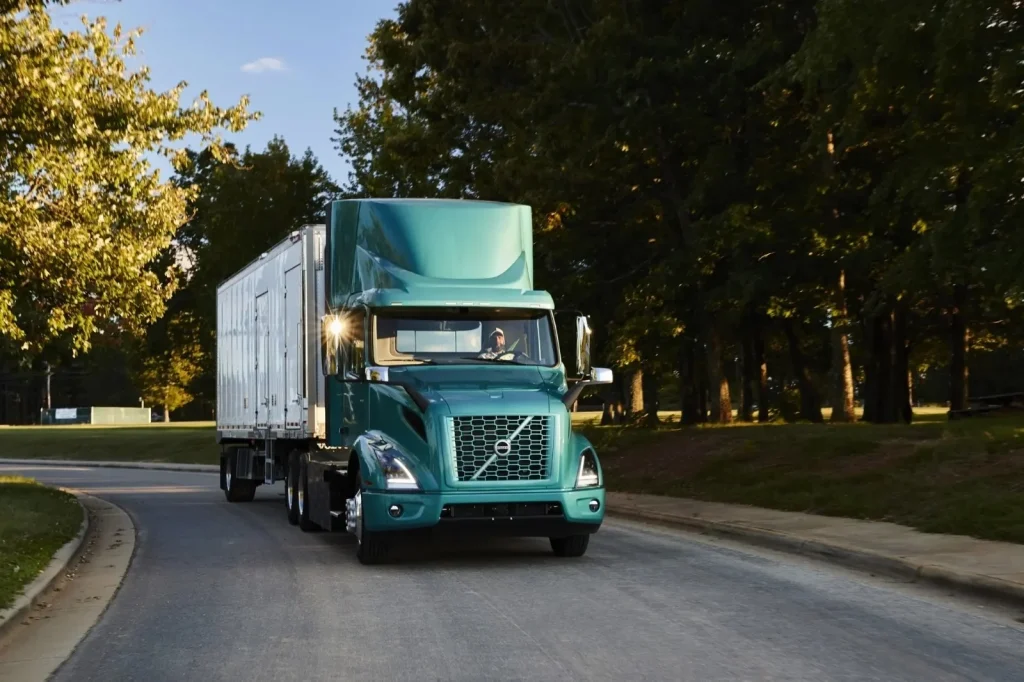
In a separate move, the U.S. House also voted to rescind EPA approval of California’s 2023 rule requiring a growing percentage of zero-emission heavy-duty trucks. Meanwhile, the U.S. Department of Transportation is preparing to roll back fuel economy standards set under the Biden administration, arguing that the rules overstepped by factoring in electric vehicle sales.
The legislative push underscores the broader debate over the pace and scope of the country’s transition to electric vehicles amid political, economic, and regulatory tensions.
Source: Reuters