




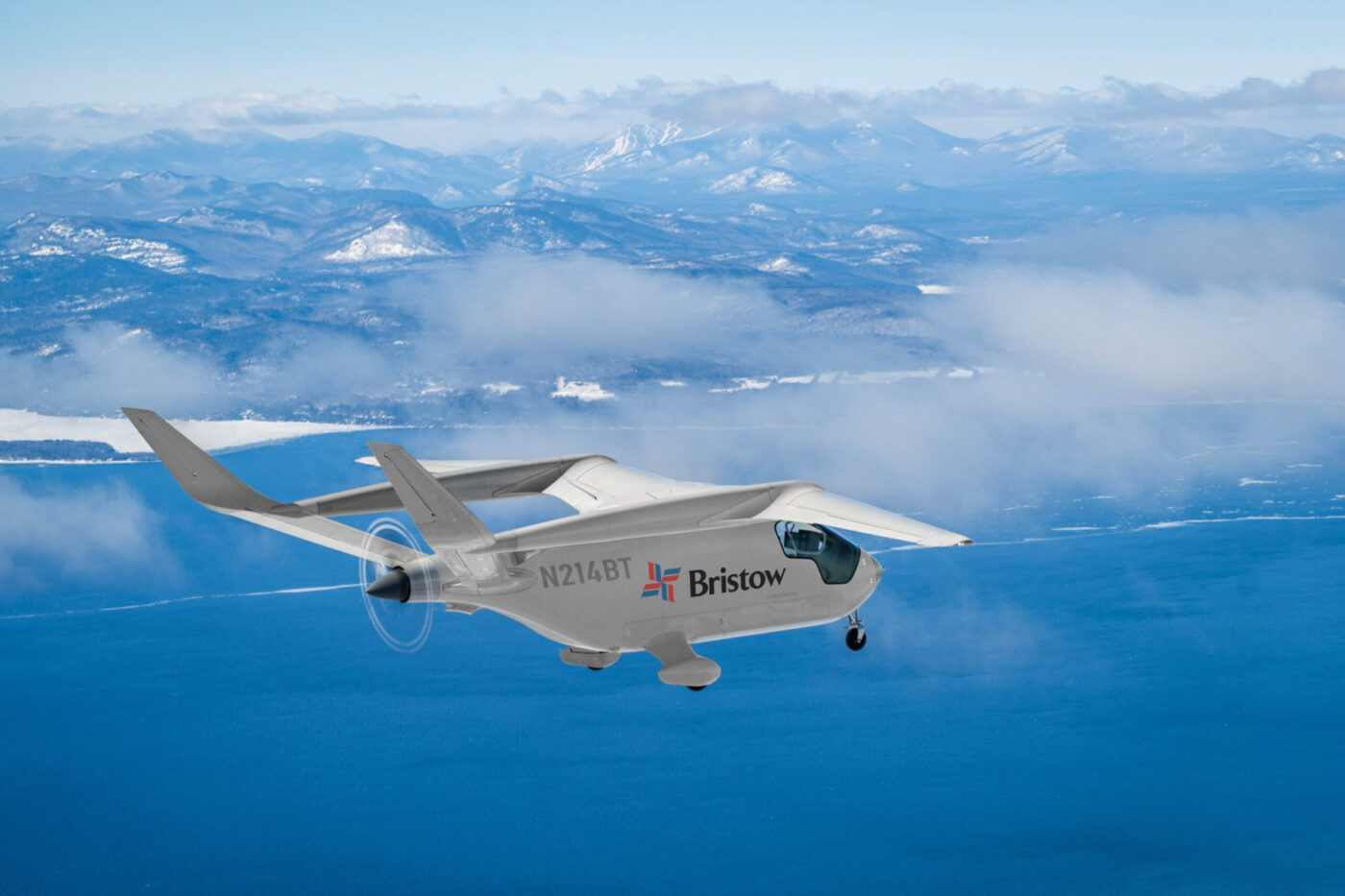
Loganair has signed a letter of intent to acquire five ALIA CX300 all-electric aircraft from BETA Technologies, with options for five additional aircraft, as the Scottish regional carrier prepares to introduce electric aviation into its scheduled operations from 2029.
The agreement was announced at the Farnborough International Airshow and, if finalized, could position Loganair as the first commercial airline in Europe to operate fully electric aircraft on scheduled passenger services.
Electric Aircraft Target Regional Routes
The ALIA CX300 is a conventional takeoff and landing aircraft designed to operate from existing airport runways, eliminating the need for dedicated vertiport infrastructure.
Eve Air Mobility Taps Beta Technologies for eVTOL Pusher Motors in $1 Billion Deal
According to the companies, the aircraft can be recharged in approximately 20 to 40 minutes using BETA Technologies’ fast-charging system.
Loganair said its network of short regional routes makes it well suited to electric aircraft deployment, with many flights covering distances of less than 100 miles between mainland Scotland and remote island communities.
The aircraft are expected to be deployed for both passenger and cargo operations beginning in 2029, subject to regulatory certification.
Flight Trials Demonstrate Operational Integration
Ahead of the proposed fleet introduction, Loganair and BETA Technologies carried out operational trials in March to evaluate how the aircraft could fit into existing airline operations.
During a 10-day demonstration, an ALIA CX300 completed 23 flights across Loganair’s network, serving Glasgow, Dundee, Aberdeen, Inverness, Wick and Kirkwall while covering more than 1,000 nautical miles.
Beta Technologies Advances Electric Aircraft Program With New Autonomy Integration
The evaluation included flight operations as well as charging procedures, ground handling and integration with existing airport infrastructure and air traffic systems.
Loganair Chief Executive Officer Luke Farajallah said early testing suggests the aircraft could significantly reduce operating costs.
“Operating costs could be reduced by up to 80 per cent.”
The estimate is based on preliminary trial data and has not yet been validated through commercial scheduled operations.
Certification Remains Key Milestone
Before the aircraft can enter commercial service, the ALIA CX300 must receive regulatory certification.
At the same time, BETA Technologies continues to expand charging infrastructure to support future electric aircraft operations.
The company recently joined Archer Aviation and Macquarie Capital to establish the ACES consortium, which plans to deploy interoperable Combined Charging System (CCS) infrastructure at more than 250 airports and vertiports across the United States by 2030.
Beta Technologies Raises $1 Billion in IPO, Valued at $7.4 Billion Ahead of eVTOL Approval
For Loganair, integrating charging facilities into existing regional airports across Scotland will be an important part of the transition to electric aviation.
The companies said the move from demonstration flights to commercial deployment will depend on successful certification of the aircraft and the ability to incorporate charging operations efficiently into regular airline schedules.


