

U.S. lawmakers questioned executives from Tesla, Waymo and the autonomous vehicle industry on Wednesday over safety, consumer privacy and liability, as Congress considers whether to introduce a nationwide regulatory framework for self-driving vehicles.
The hearing, held by the Senate Committee on Commerce, Science, and Transportation, highlighted growing pressure on federal agencies to modernise vehicle safety rules written decades before the emergence of artificial intelligence-driven cars.
See also: Waymo Secures $16 Billion in New Funding to Speed Robotaxi Expansion
“America is at a crossroads in transportation policy,” said Senator Ted Cruz, the committee’s Republican chair. Autonomous vehicles “are no longer theoretical,” he said, warning that failure by Congress to act could push innovation overseas.
Executives and policymakers debated whether federal legislation could accelerate deployment while reducing road deaths, standardising liability rules and clarifying how companies collect and store personal data generated by autonomous systems.

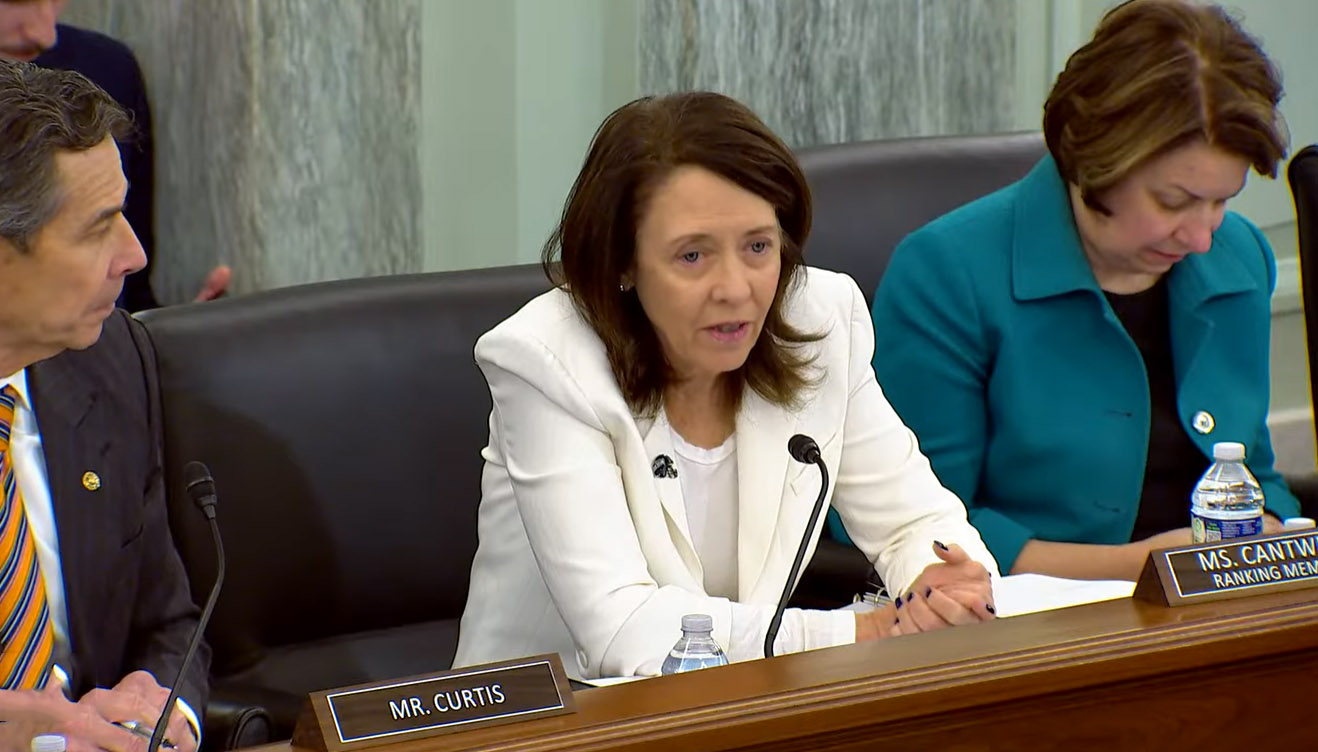
Democratic Senator Maria Cantwell criticised the National Highway Traffic Safety Administration (NHTSA), saying its regulatory framework was outdated. “The law was passed 20 years before the first Windows computer was ever sold,” she said, arguing for a more flexible approach that allows testing while ensuring safe commercial deployment.
See also: U.S. Safety Regulator Probes Waymo Self-Driving Car After Child Collision Near School
Industry witnesses said the lack of federal rules has created uncertainty. Jeff Farrah, chief executive of the Autonomous Vehicle Industry Association, told lawmakers that innovators were being forced to operate “with one hand behind their back” due to fragmented state regulations.
“We want to make our roads safer,” Farrah said, adding that autonomous technology aims to reduce crashes caused by human error.
Tesla and Waymo executives addressed concerns about data generated by vehicles equipped with extensive sensor arrays.
See also: Waabi Raises $1 Billion, Partners With Uber to Bring Robotaxis to Ride-Hailing Platform
Lars Moravy, vice president of vehicle engineering at Tesla, said the automaker collects driving data only on an opt-in basis when customers activate advanced driver-assistance features. “We always aggregate and anonymize the data to ensure customer privacy,” he said, adding that the information is not retained long term.
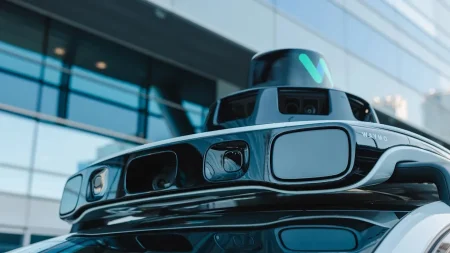
Mauricio Peña, chief safety officer at Waymo, said Waymo’s robotaxis use 29 cameras but do not share personally identifiable information. “We collect information to make our Waymo driver better. That is the only purpose of collecting data,” he told the committee.
Lawmakers also raised questions about liability when autonomous vehicles are involved in crashes, including the use of arbitration agreements. Legal expert Bryant Walker Smith of the University of South Carolina said such agreements are common but limit public scrutiny when disputes are resolved privately.
See also: Uber Forms AV Labs to Harness Ride Data for Autonomous Vehicle Development
Cruz pressed witnesses on recent incidents involving Waymo vehicles near schools in California and Texas. Peña said the company was reviewing the events and had already updated its software. He added that, based on Waymo’s data, its vehicles are “10 times less likely” than human drivers to be involved in crashes causing serious injuries.
Both Tesla and Waymo urged Congress to create consistent national rules. Moravy said a “patchwork of state regulations” creates uncertainty for manufacturers and called for updated federal motor vehicle safety standards tailored to autonomous vehicles.
Farrah outlined several priorities for lawmakers, including mandatory safety cases, a national repository for autonomous driving data under NHTSA and updated standards that reflect vehicles without human drivers.
“We can have safety but also innovation at the same time,” Farrah said.
See also: Gatik Rolls Out Fully Driverless Truck Operations With $600 Million in Contracted Revenue
The insurance industry, while not testifying, submitted written comments urging lawmakers to preserve state authority over insurance regulation and ensure access to vehicle data following crashes.
The hearing underscored bipartisan recognition that autonomous vehicles are advancing faster than federal rules — and that pressure is mounting on Congress to respond.