




The U.S. Department of the Interior has announced a new initiative to accelerate the recovery of critical minerals from mine waste and abandoned mining sites, citing recent research that highlights untapped domestic sources of materials essential to national security and the energy transition.
Under a directive issued this week, the Department will streamline federal regulations to support the extraction of critical minerals from coal refuse, tailings, and disused uranium mines. It will also update federal guidance to make such projects eligible for government funding and prioritize reviews for plans involving the recovery of uranium and other minerals from abandoned sites.
Secretary Doug Burgum said the move builds on “groundbreaking research from the US Geological Survey that identifies promising sources of these minerals,” adding that it could reduce America’s reliance on imported materials.
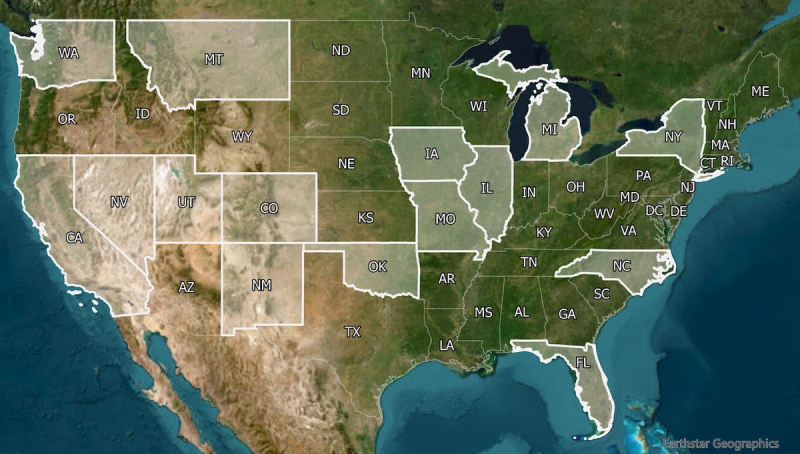
The U.S. Geological Survey (USGS), in partnership with state geological surveys, has identified strategic resources such as zinc, germanium, tellurium, and rare earth elements embedded in legacy and active mining operations. In Oklahoma’s Tar Creek site, waste from historic lead and zinc mining has been found to contain recoverable quantities of zinc and germanium—two minerals largely imported by the United States.
In Utah, tailings from copper mining at Bingham Canyon contain significant amounts of tellurium, a material critical to defense applications. In Idaho’s Coeur d’Alene mining district, mine waste is estimated to contain $2.5 billion in minerals, including antimony and arsenic.
Rare earth elements—used in electric vehicles, consumer electronics, and military hardware—have also been detected in clay deposits within coal seams in the Appalachian and Illinois basins, according to research by the West Virginia Geological and Economic Survey.
“Improved geological mapping is revealing a wealth of critical minerals in places we’ve long overlooked,” said Secretary Burgum. “By recovering these resources from waste, we can strengthen our supply chains, support local economies, and reduce the environmental impact of new mining.”
The effort aligns with the Earth Mapping Resources Initiative, a federal program aimed at identifying domestic sources of strategic minerals through advanced geological surveying. Interior officials said these findings could bolster mineral supply resilience while creating economic opportunities across Appalachia and the Midwest.