
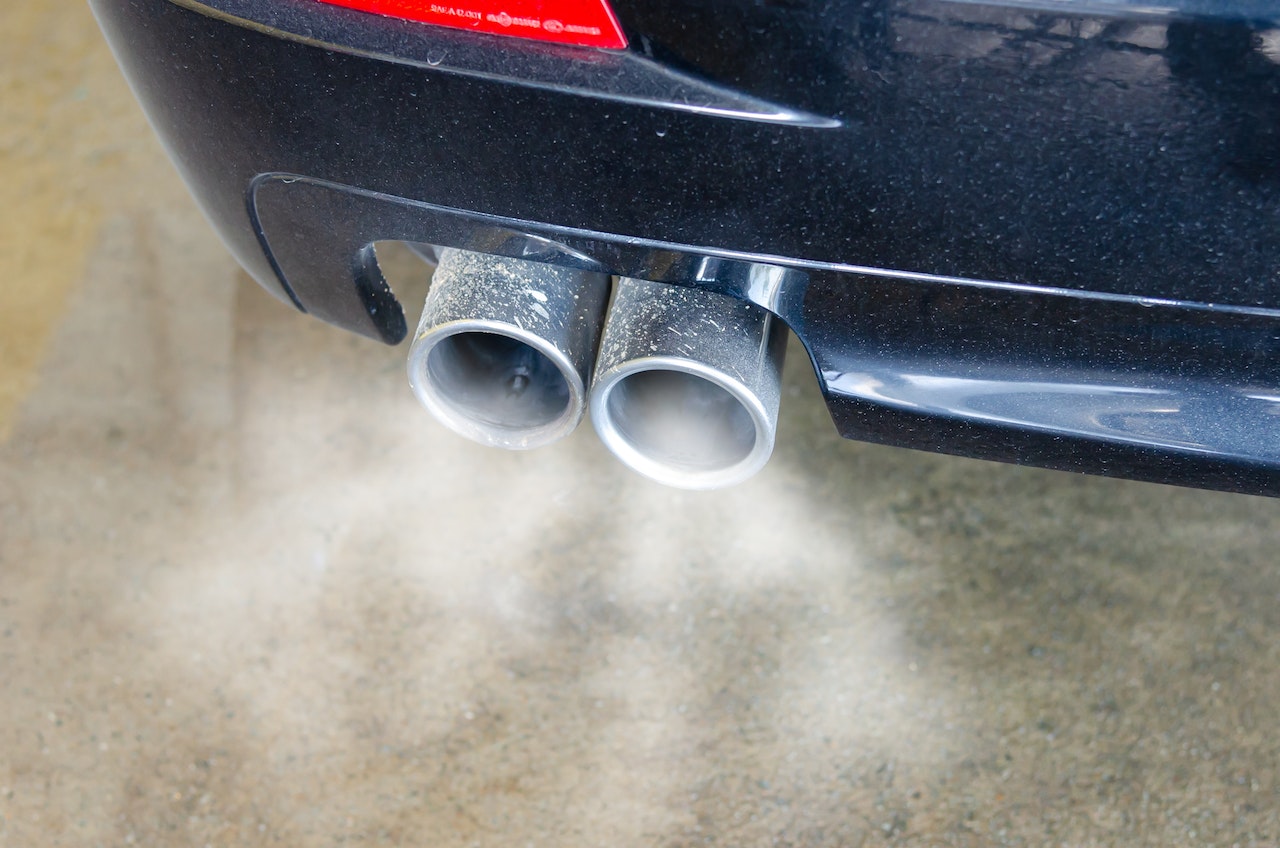
The administration of U.S. President Donald Trump is preparing to revisit the 2009 greenhouse gas “endangerment finding,” a regulatory determination that established the legal basis for federal limits on vehicle emissions, according to a report by The Wall Street Journal.
The finding, issued by the Environmental Protection Agency (EPA), concluded that six greenhouse gases — including carbon dioxide and methane — pose a threat to public health and welfare. That determination has underpinned federal regulation of tailpipe emissions for cars and trucks for more than a decade and has withstood multiple legal challenges.
EPA Administrator Lee Zeldin is reportedly seeking to repeal the finding, potentially as soon as this week. Any such move is expected to face immediate legal challenges and could take years to resolve in the courts.
The EPA’s action would directly affect vehicle tailpipe emission standards, though observers expect it could also be used to revisit climate-related regulations covering power plants and industrial facilities.
Major U.S. automakers, which previously urged the administration to ease fuel economy standards, did not publicly advocate for repealing the endangerment finding, according to the Journal. Tesla went further, reportedly asking the EPA to maintain the determination, stating that it was “based on a robust factual and scientific record.”
The administration told the Journal it expects the policy shift to generate savings of more than $1 trillion, though no supporting analysis was cited in the report.
If the endangerment finding were overturned, U.S. regulatory policy could diverge further from that of other advanced economies. Industry analysts say companies operating across borders may face higher compliance costs as they adapt vehicles and strategies to differing standards.
Automakers are already navigating shifting regulatory requirements in the United States alongside intensifying competition from Chinese manufacturers. Some analysts argue that reliance on high-margin fossil fuel-powered trucks has limited domestic manufacturers’ flexibility as global electrification accelerates.
Meanwhile, several studies have highlighted potential long-term economic impacts associated with climate change. The Congressional Budget Office has estimated that rising sea levels threaten nearly $1 trillion in U.S. real estate, while other research suggests global warming could have broader economic and public health consequences over time.