



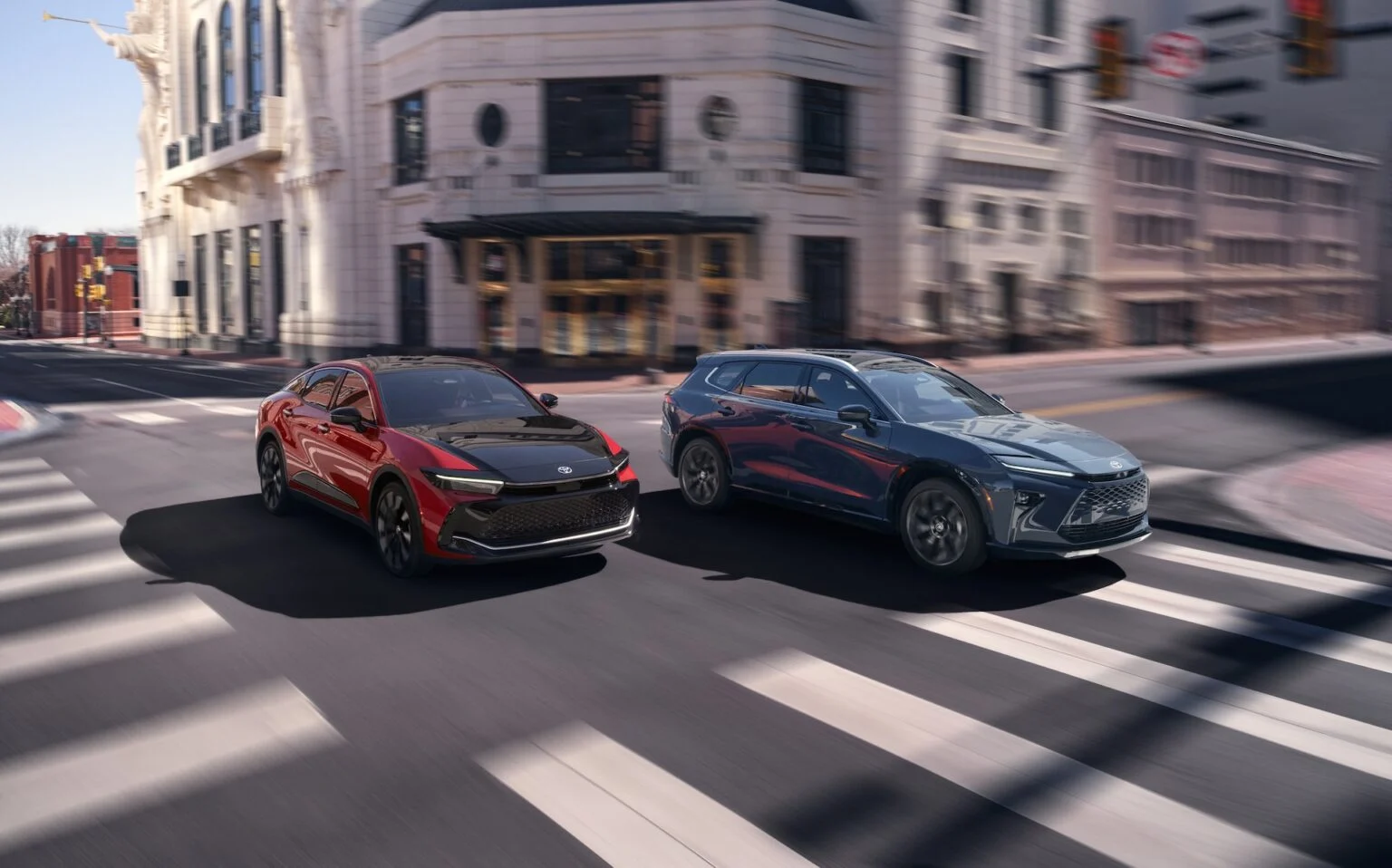
Toyota has unveiled the 2026 Crown Signia, enhancing its flagship hybrid crossover with new two-tone color options and refined premium features. The Limited grade now offers a contrasting black roof paired with one of four exterior colors — Storm Cloud, Oxygen White, Finish Line Red, or Bronze Age — adding visual distinction to the model’s sleek, coupe-like profile.
Available in XLE and Limited trims, the 2026 Crown Signia continues Toyota’s focus on combining hybrid performance with all-wheel-drive versatility. Each model is powered by a 2.5-liter hybrid system that produces 240 horsepower and delivers an EPA-estimated 38 MPG combined.
See also: Toyota Unveils Tacoma H2-Overlander Concept With Hydrogen-Electric Power at SEMA 2025


The electronic on-demand all-wheel-drive system uses a dedicated rear-axle motor for optimized torque distribution, while selectable drive modes — Normal, Eco, Sport, and EV — allow drivers to tailor the vehicle’s performance.
Inside, the Crown Signia emphasizes comfort and craftsmanship. Both trims include standard leather-trimmed seats, LED lighting, and a hands-free power liftgate, while the Limited grade adds an 11-speaker JBL Premium Audio system, Digital Key functionality, and a panoramic glass roof. The interior offers either Black or Saddle Tan upholstery and features a 12.3-inch touchscreen with Toyota’s latest multimedia interface.
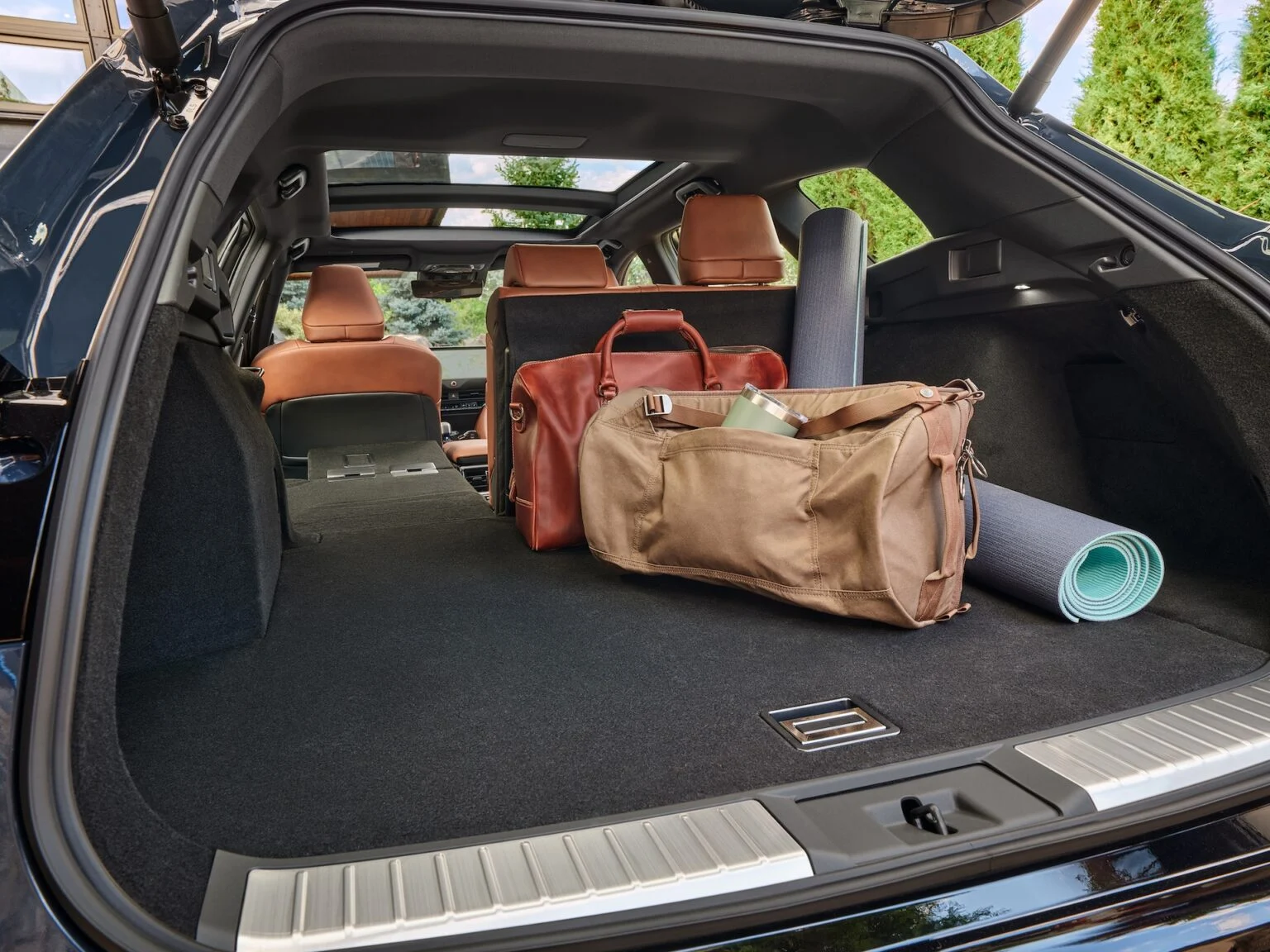
Practicality complements the luxury, with fold-flat rear seats expanding cargo capacity to 68 cubic feet and enabling a 2,700-pound towing capability. Advanced safety comes standard across all grades via Toyota Safety Sense 3.0, which includes Pre-Collision System with Pedestrian Detection, Lane Departure Alert, and Dynamic Radar Cruise Control. The Limited trim further adds features such as Traffic Jam Assist and a Panoramic View Monitor.
Pricing for the 2026 Toyota Crown Signia starts at $44,390 for the XLE and $48,790 for the Limited, excluding a $1,450 destination charge. Production will take place at Toyota’s Tsutsumi Plant in Aichi, Japan, with U.S. deliveries expected to begin later in 2025.


