
China continues to outpace the rest of the world in the electric vehicle (EV) transition, accounting for more than 60% of global EV sales in 2024 and maintaining its momentum into 2025. According to Rho Motion, out of 17 million EVs sold globally last year, China contributed 11 million units. In the first quarter of 2025 alone, 2.4 million EVs were sold in China—nearly 60% of the 4.1 million global total.
The country’s dominance extends well beyond vehicle production. Chinese companies such as CATL and BYD control a majority of the global EV battery supply, with SNE Research data showing the two firms held a combined market share of over 55% last year. BYD, which also manufactures vehicles, has expanded its battery and EV exports across Southeast Asia, Europe, and the Americas.
See also: Toyota Plans 15 In-House EV Models by 2027, Targeting 1 Million Annual Output
In March, BYD unveiled its Super e-platform with ultra-fast charging capability, allowing drivers to gain 250 miles of range in five minutes. Its first vehicle on the platform, the Han L, starts at 219,800 yuan (around $30,000). Additionally, BYD’s new driver-assistance system, “Gods Eye,” is now standard on many of its models, including the budget-friendly Seagull.
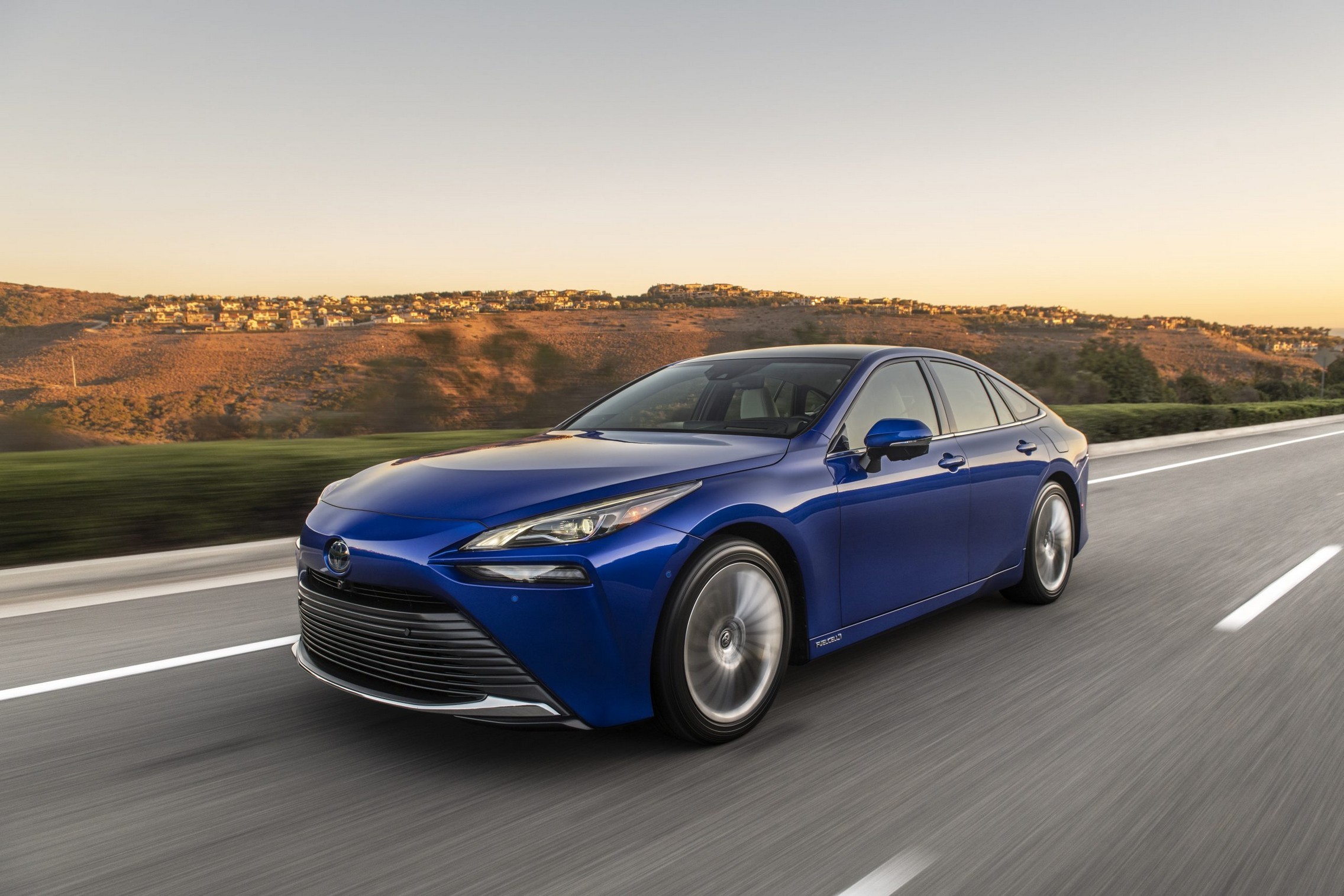
Toyota is now raising concerns that China could replicate this leadership in hydrogen fuel cell technology. Misumasa Yamagata, president of Toyota’s hydrogen division, warned in a recent interview with the Financial Times that “we don’t have much time left — it’s important to accelerate quickly,” adding that China is already ahead in hydrogen commercial vehicles.
See also: Toyota Delays Japan EV Battery Plant Amid Slower Demand, Higher Costs
China’s government-led push to establish “hydrogen highways” along major logistics routes has given its domestic industry a lead, with hydrogen refueling infrastructure expanding rapidly and fuel costs down to a third of Japan’s. In 2024, China sold 7,069 hydrogen-powered buses and trucks—more than all other countries combined.