



Toyota has delayed plans to build a new electric vehicle (EV) battery plant in Japan, a setback that could push back the automaker’s production of next-generation batteries promising over 620 miles (1,000 km) of range. The plant, originally expected to begin operations in 2028, now faces an uncertain timeline.
The decision comes nearly two years after Toyota announced an ambitious roadmap for advanced EV batteries offering greater range, faster charging, and lower costs.

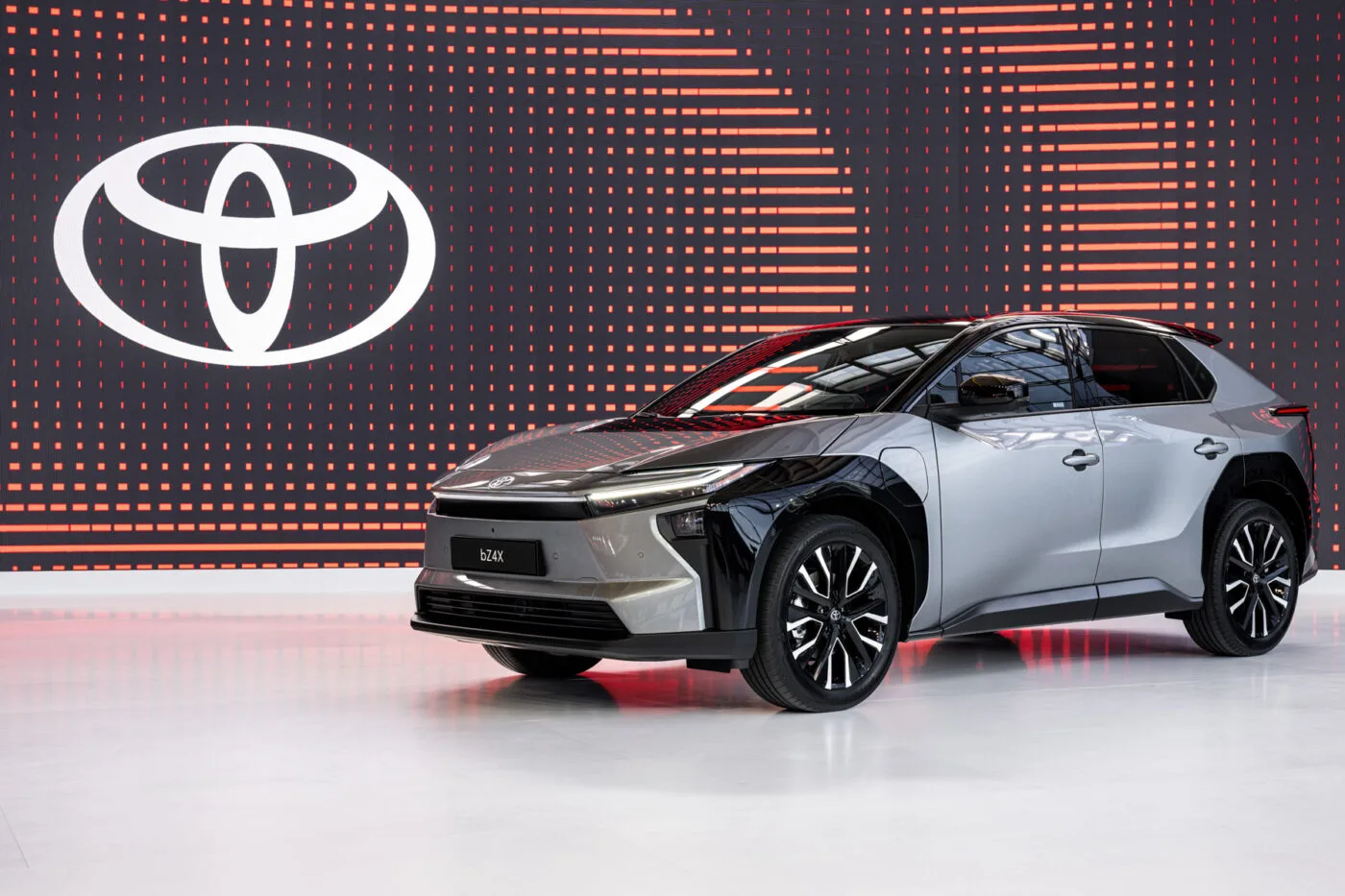
The automaker’s first next-gen battery, known as the “Performance” variant, was scheduled for release next year with an estimated 500-mile (800-km) range and a 20-minute fast-charging capability. Toyota had also planned to launch a “Popularization” LFP battery in 2027, targeting over 370 miles (600 km) of range with significantly improved charging times over the bZ4X.
Shift in EV Strategy
Toyota had purchased a 280,000-square-meter plot of land in Fukuoka, Japan, last month for the battery factory, but according to Asahi Shimbun, company president Koji Sato is expected to visit the region to inform local officials of the delay. A source cited slower-than-expected EV demand and rising construction costs as key reasons for the postponement.
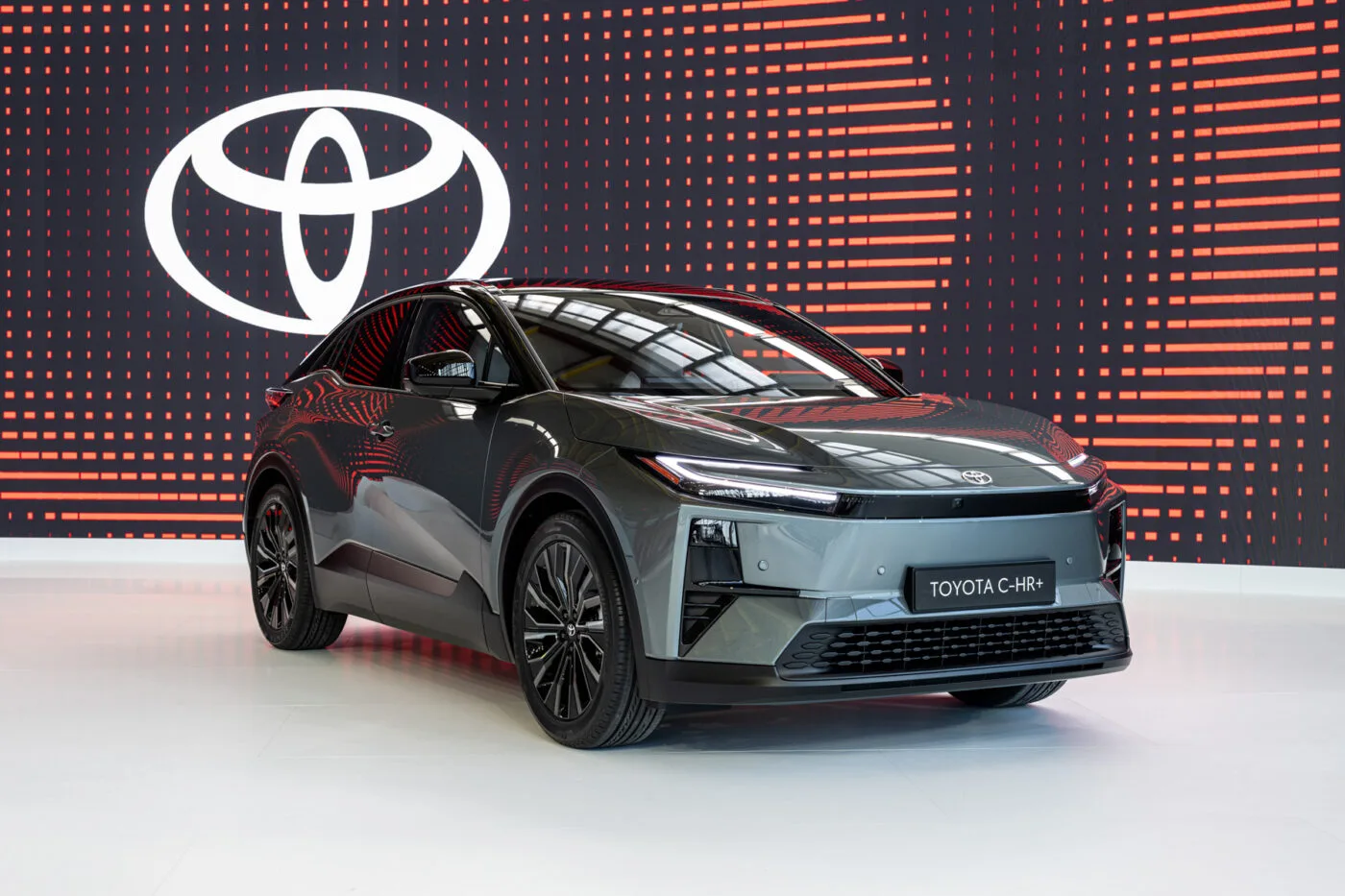
The delay could also impact Toyota’s luxury EV lineup, as the company is reportedly reconsidering the timeline for its next-generation electric Lexus sedan to ensure it meets customer expectations for technology and quality.
U.S. Battery Production Moves Forward
Despite the setback in Japan, Toyota’s $14 billion North Carolina battery plant remains on schedule, with shipments set to begin next month. The facility is part of the company’s broader strategy to scale up EV production, particularly in North America, where the automaker has been expanding its electrification efforts.


