



Tesla is planning a significant ramp-up in vehicle production over the next three years, with CEO Elon Musk saying the automaker is nearing a breakthrough in Full Self-Driving (FSD) technology that could transform its growth trajectory.
Speaking at Tesla’s annual shareholder meeting on Thursday, Musk said the company is preparing to begin what he called a “new book” in its history, built around large-scale production expansion and automation. “Now that we believe we have full self-driving, that we have autonomy solved or at least within a few months of having it unsupervised autonomy solved at a reliability level significantly better than human – that means it’s time to ramp up production because the value proposition is now much greater than a regular car,” Musk told investors.
See also: Tesla Launches 821-Km Model Y in China, Longest-Range Variant Yet
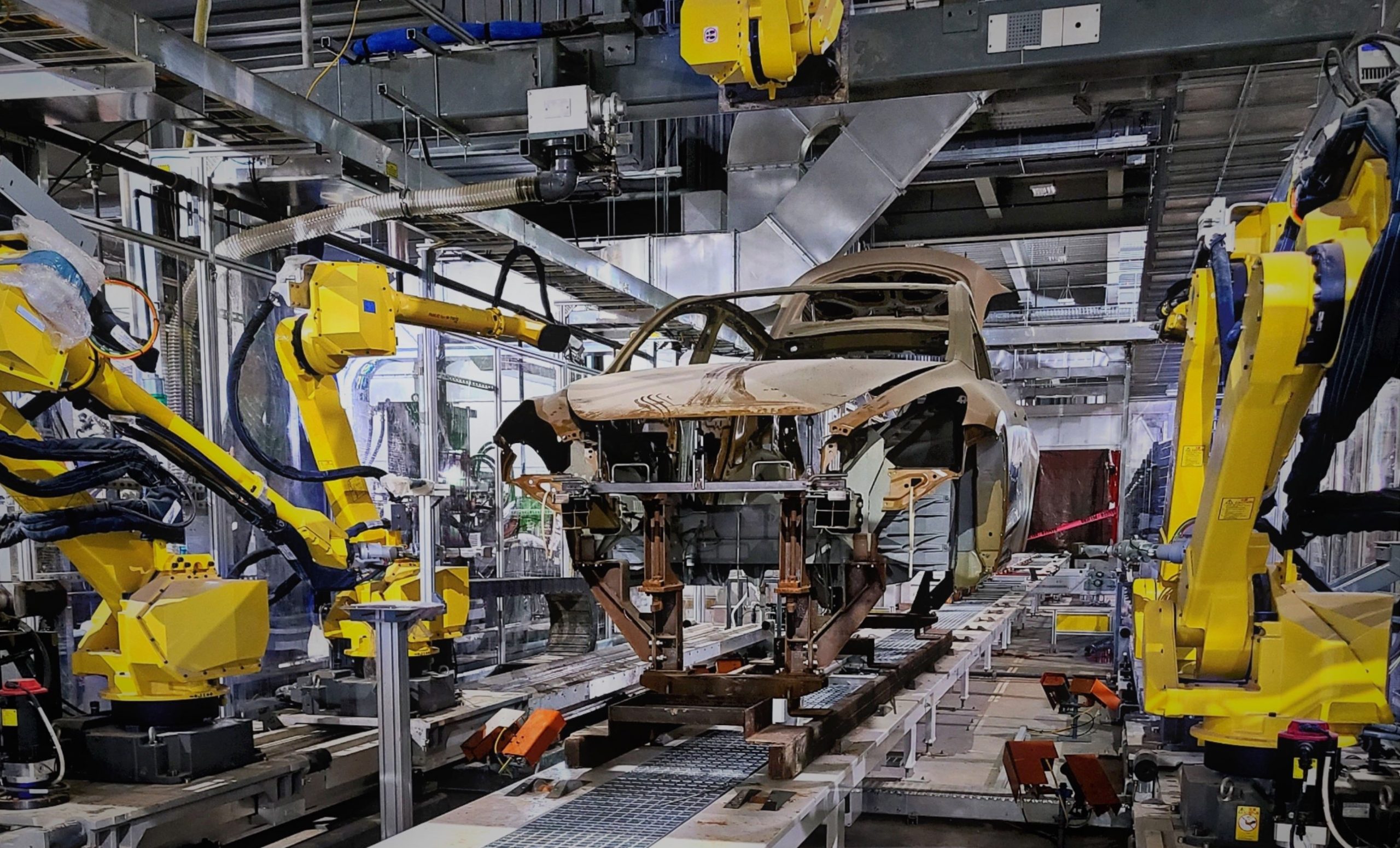
Musk said Tesla aims to increase its vehicle output by roughly 50% by the end of 2026. The company’s targets include reaching an annualized production rate of about 2.6–2.7 million vehicles by the end of next year, climbing to 4 million by the end of 2027, and eventually hitting 5 million annualized units by 2028. Tesla’s current installed capacity stands at just over 2.35 million units globally.
“This is a gigantic increase in output, which means that the entire supply chain has to move in unison,” Musk said, noting the complexity of scaling automotive manufacturing. “The nature of producing a large complex product is that it moves as fast as the least lucky, dumbest element in the entire system.”
See also: Tesla Plans April 2026 Launch for Pedal-Free Cybercab at Austin Factory
In addition to ramping vehicle production, Musk said Tesla intends to accelerate development of its Optimus humanoid robot, suggesting it could become a major business line in the coming years. “Tesla is not simply moving into a new chapter, but opening an entirely new book,” he said.
If Tesla meets its FSD goals in the coming months, the company’s new strategy would mark a sharp shift from the slower production pace seen through much of 2025, signaling renewed confidence in demand and technology readiness.


