




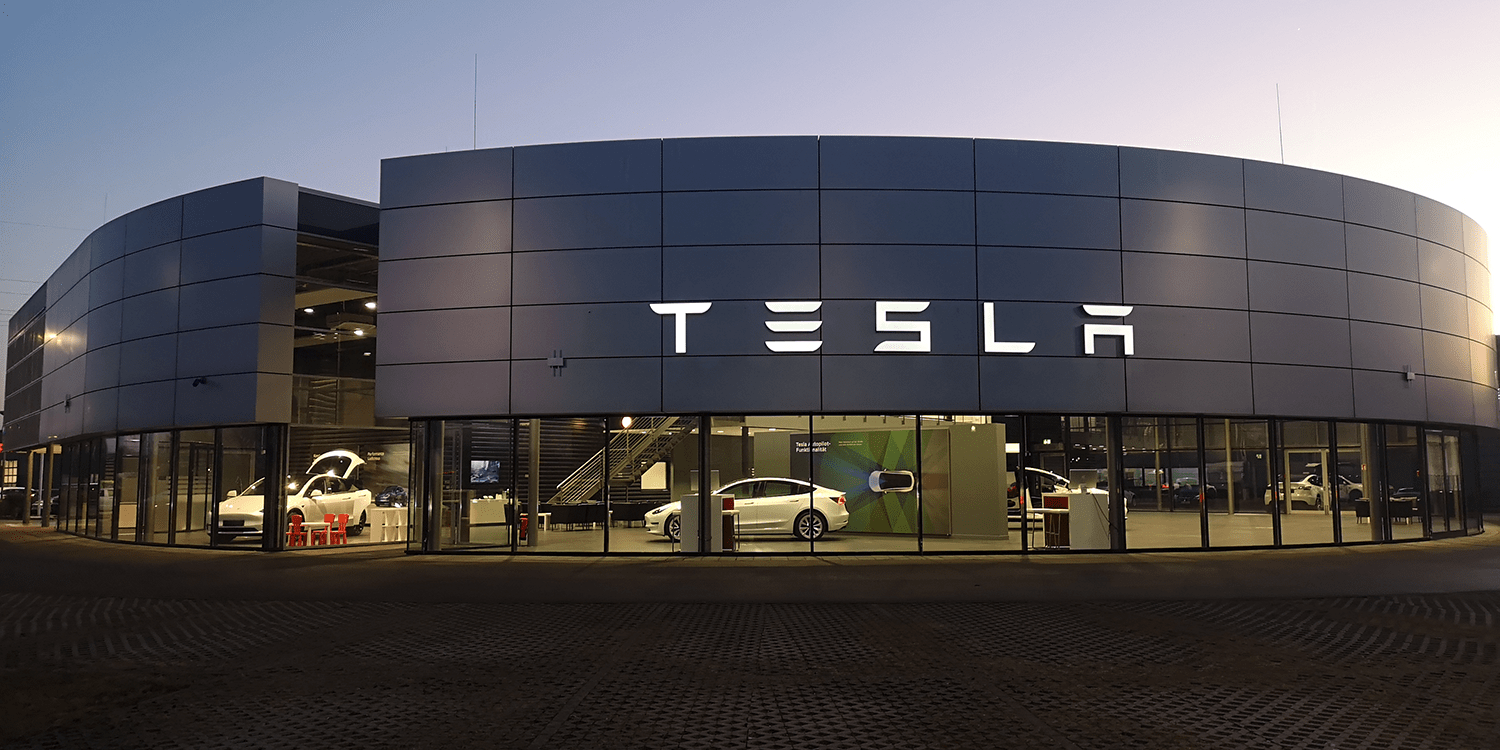
Tesla has filed lawsuits in China against a number of corporate vehicle buyers, seeking the return of electric-vehicle purchase subsidies after the vehicles failed to meet the minimum mileage thresholds required under the country’s incentive policy.
The issue gained public attention when Tesla sued Hangzhou-based Joy Media, requesting repayment of a RMB 7,761 ($1,090) subsidy. Joy Media purchased a Tesla vehicle under its corporate name in 2022, with the subsidy advanced upfront by Tesla on the condition that the vehicle accumulate 20,000 kilometers within two years, according to local outlet Jiupai News.
See also: Tesla Reportedly Exploring Apple CarPlay Integration Amid Slowing Sales
Joy Media said the vehicle did not meet the mileage requirement, preventing Tesla from obtaining reimbursement from the government. The company added that Tesla did not contact them prior to taking legal action. “We will settle with the other party and refund the amount,” Joy Media said.
Jiupai News reported that Tesla has filed more than 30 lawsuits over contractual disputes in the past four months. Corporate owners in Shenzhen, Jiaxing and Shanghai said they faced demands to return subsidies ranging from RMB 7,000 to RMB 15,000 after their vehicles fell short of the required mileage two years after purchase.
Tesla has previously sought similar repayments. In June 2022, reports indicated that some buyers received notices from the company requesting additional payments because their vehicles had not met the mileage rules set under China’s subsidy policy.
See also: Tesla Pushes to Remove China-Made Parts From US-Bound Vehicles
China has used purchase subsidies and tax reductions to support EV adoption in recent years. The purchase subsidy program ended in December 2022, while the purchase-tax incentive remains in place but is set to be reduced next year. Under the subsidy framework, automakers front the subsidy at the time of sale and later apply for reimbursement only if the vehicle meets government eligibility criteria.
The 20,000-kilometer requirement applies specifically to vehicles bought by corporate customers, not individual consumers.


