
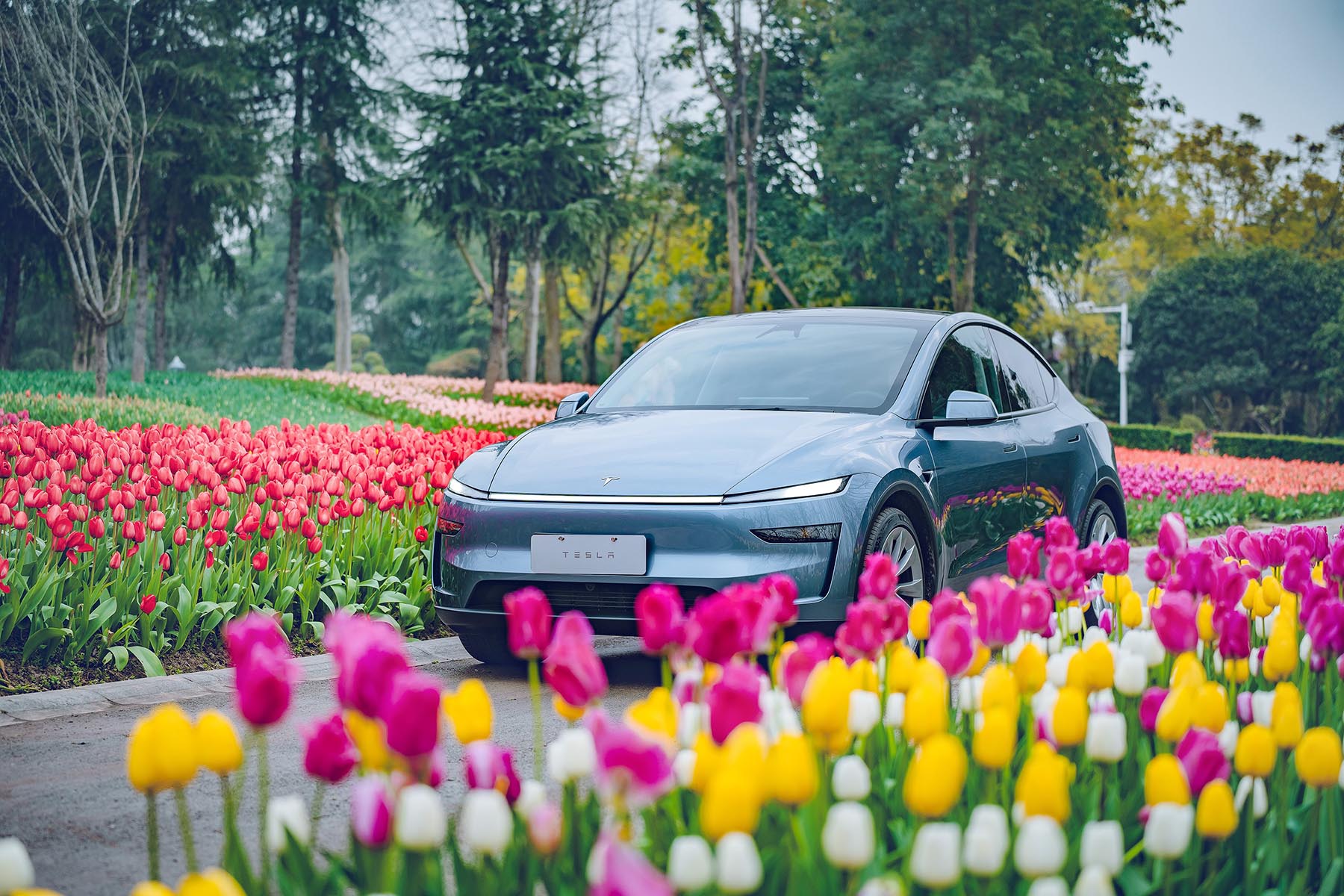
Tesla China recorded its ninth consecutive month of year-on-year wholesale sales growth in July, supported by strong exports from its Shanghai Gigafactory despite continued weakness in domestic demand.
Data released by the China Passenger Car Association (CPCA) showed Tesla China’s wholesale sales reached 93,579 vehicles in July, an increase of 37.85% from 67,886 units in the same month of 2025.
The figure also represented a 5.04% increase from June’s 89,091 units, marking the company’s highest monthly wholesale sales so far in 2026 and its strongest July performance on record.
Strongest July on Record
Historically, July has been a slower production month for Tesla’s Shanghai facility as manufacturing lines typically undergo maintenance and upgrades.
However, seasonal disruptions were less significant this year, allowing production and shipments to remain at elevated levels.
The July total was Tesla China’s highest monthly wholesale volume since December 2025, when the company recorded 97,171 units.
During the first seven months of 2026, cumulative wholesale sales reached 561,528 vehicles, up 29.88% compared with the same period a year earlier.
Wholesale sales include both vehicles delivered within China and those exported from the Shanghai manufacturing facility.
Exports Continue to Drive Growth
Exports have become the primary source of Tesla China’s sales growth during 2026.
In June, the Shanghai Gigafactory exported 36,171 vehicles, representing a 257.6% increase year-on-year and accounting for 40.6% of total wholesale sales for the month.
During the second quarter, exports reached 128,394 vehicles, exceeding domestic deliveries of 126,157 units for the first time in a single quarter.
The detailed breakdown between domestic deliveries and exports for July is expected to be released by the CPCA in the coming days.
Domestic Demand Remains Soft
While export performance has strengthened, Tesla continues to face pressure in the Chinese retail market.
The company reported a 2.05% year-on-year decline in second-quarter deliveries within China, marking the fifth consecutive quarter of declining domestic sales.
China’s contribution to Tesla’s global deliveries also fell to 26.28% during the quarter, dropping below 30% for the first time since the fourth quarter of 2020.
Model-level performance also reflected the mixed market conditions.
First-half deliveries of the Model Y reached 172,513 units, remaining broadly unchanged from a year earlier, while Model 3 deliveries declined 27.72% year-on-year to 66,442 units.
To stimulate local demand, Tesla introduced its Easy Loan vehicle financing programme in China in May, offering lower down payment requirements aimed at attracting more price-sensitive consumers.