
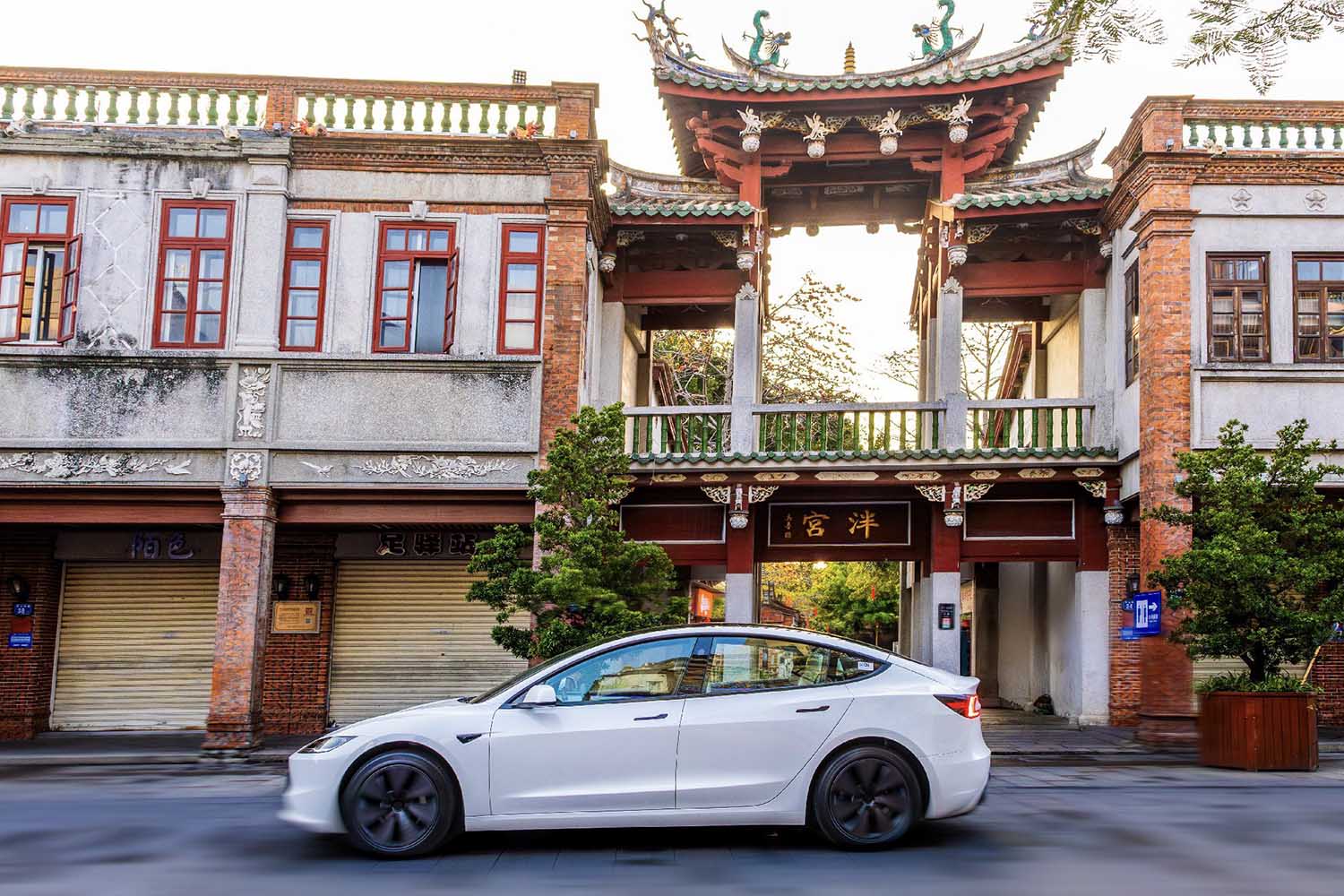
Tesla recorded year-on-year growth in China-made vehicle sales in January, even as deliveries declined from the previous month amid a broader seasonal slowdown in the country’s auto market, industry data showed.
Wholesale sales of China-produced Tesla vehicles totaled 69,129 units in January, including domestic sales and exports, according to figures released on Tuesday by the China Passenger Car Association (CPCA). The figure marked a 9.32% increase from 63,238 units a year earlier but represented a 28.86% drop from December’s 97,171 units.
See also: Tesla Beats Q4 Earnings Expectations as Margins Improve and Energy Business Sets Records
Monthly sales declines are typical at the start of the year in China, following a surge in deliveries toward year-end as automakers and consumers rush to meet annual targets. CPCA is expected to release a breakdown of Tesla’s January domestic deliveries and exports from its Shanghai factory later this month.
The broader new energy vehicle (NEV) market also cooled in January. CPCA estimates China’s passenger NEV wholesale volume at around 900,000 units for the month, up about 1% year on year but down 42% from December levels.
See also: Tesla Reintroduces Model 3 Insurance Subsidies In China Amid Softer Early-Year Demand
Industry demand is facing additional headwinds in early 2026, as consumers adjust to a 5% additional vehicle purchase tax and navigate uncertainty around China’s trade-in subsidy programme, which remains in a transitional phase.
China’s largest NEV maker, BYD, sold 210,051 NEVs in January, according to figures released on Feb. 1. That was down 30.11% from a year earlier and 50.04% lower than December, highlighting the extent of the seasonal pullback.
See also: China State Media Rejects Musk’s Timeline for Tesla FSD Approval
To stimulate demand, Tesla introduced a low-interest financing programme in China on Jan. 6, offering loan terms of up to seven years for all locally produced models. The move marked the first time an automaker in China has offered such extended financing terms and was aimed at cushioning the impact of weaker early-year demand.
Despite near-term volatility, analysts say Tesla’s year-on-year growth in January suggests relatively resilient demand for its China-made vehicles, even as competition intensifies and policy conditions evolve in the world’s largest EV market.