
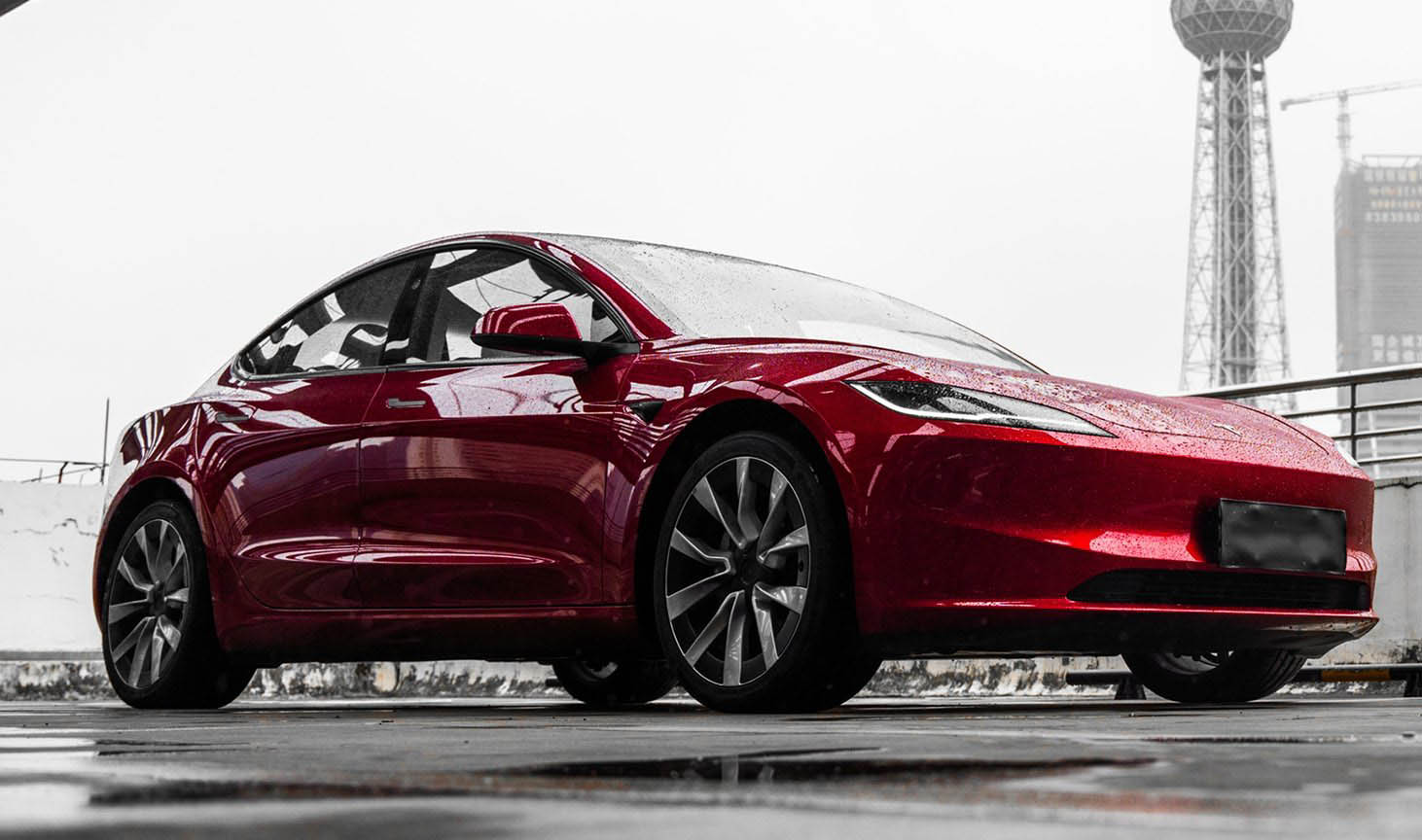
Tesla reported a decline in sales of its China-made vehicles in January, reflecting the impact of the Chinese New Year holiday, which affected production and deliveries across the industry.
The U.S. electric vehicle maker sold 63,238 vehicles from its Shanghai plant last month, including domestic sales and exports, according to data released by the China Passenger Car Association (CPCA) on Tuesday. This marked an 11.49% drop from 71,447 units sold in January 2023 and a 32.56% decrease from 93,766 vehicles in December.
See also: Tesla’s Shanghai Megafactory Set to Begin Production of Energy Storage Products
The Chinese New Year holiday, which ran from January 28 to February 4 this year, traditionally leads to slowdowns in manufacturing and logistics. In 2023, the holiday occurred later, from February 10 to 17. Tesla’s Shanghai facility, which produces the Model 3 sedan and Model Y crossover, was affected by these seasonal disruptions.
Ahead of the holiday, Tesla had planned to temporarily suspend parts of its Shanghai production, including assembly lines for the refreshed Model Y, to optimize equipment, Bloomberg reported on January 15, citing sources familiar with the matter. According to the report, certain Model Y production lines were shut from January 22 to February 14, while Model 3 production was halted from January 26 to February 3.
See also: Tesla Revives Insurance Subsidy in China Amid Intensifying Price Competition
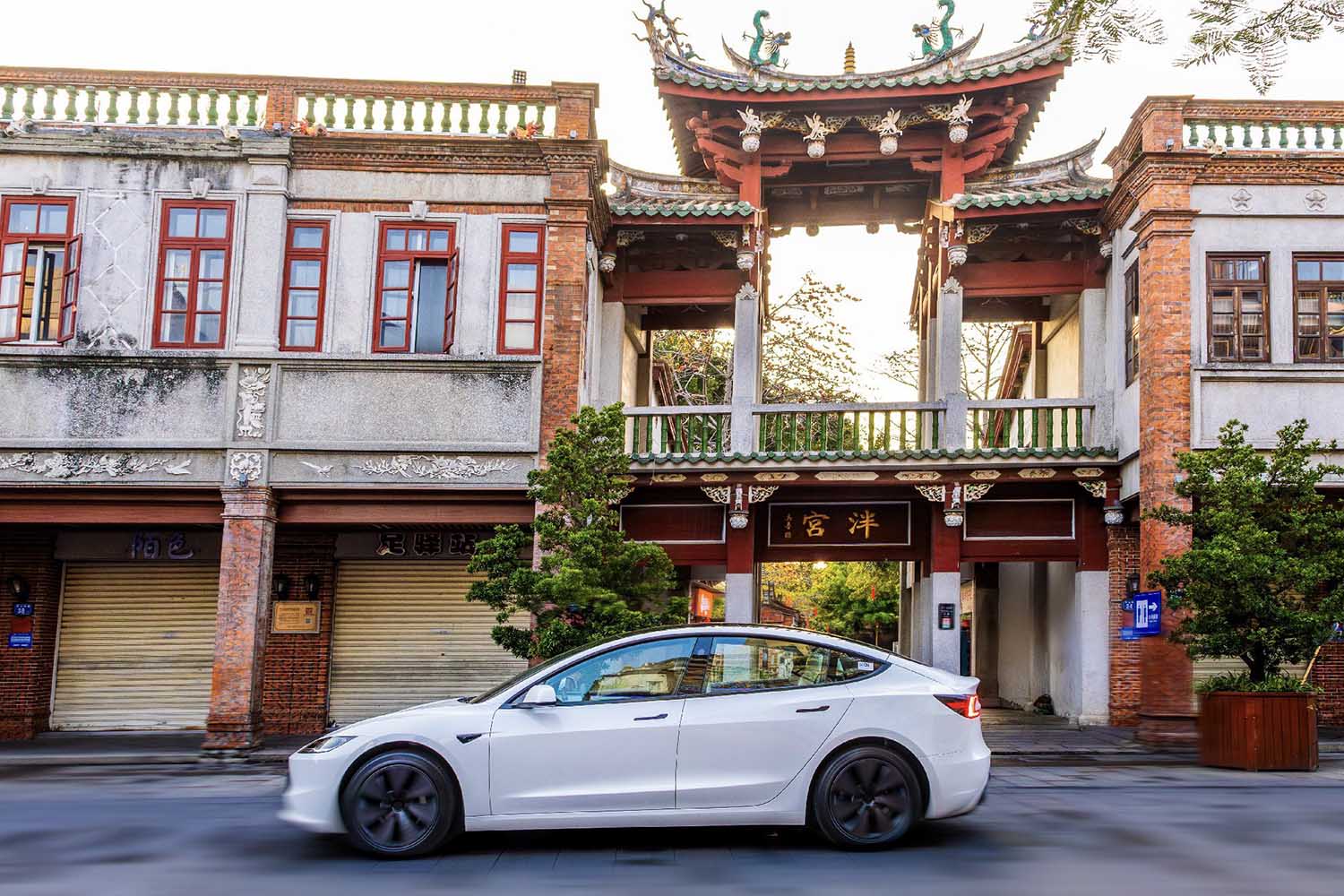
Tesla introduced the facelifted Model Y in China on January 10, the first instance of a major model update being launched in the country ahead of other markets. The updated Model Y generated strong initial demand, with more than 70,000 orders placed within the first five days, according to Chinese media outlet Yicai, which cited an unnamed industry source.
In a bid to boost sales following the holiday, Tesla announced an RMB 8,000 ($1,100) insurance subsidy on February 5 for all variants of the Model 3 sedan. The move marked the automaker’s latest effort to maintain its competitive position in China’s increasingly price-sensitive electric vehicle market.