



Tata Motors, the Indian car manufacturer, is in talks with private equity investors and sovereign wealth funds to raise up to $1 billion through a stake sale in its electric vehicle business.
According to local publication, The Economic Times, the company plans to sell a significant minority stake in the business at a valuation of around $10.5 billion. The proceeds from the sale will be primarily used to retire part of the outstanding debt, with a small portion being infused into the EV business as primary equity.
Tata Motors has already secured investments from Abu Dhabi Investment Authority, Saudi Arabia’s Public Investment Fund, Temasek Holdings from Singapore, KKR, General Atlantic, and Mubadala Investment Company. In 2021, the company raised $1 billion from TPG and an Abu Dhabi-based state holding company for its EV unit at a valuation of $9 billion.
See also: Tata Motors electrification target: launch 10 electric vehicle models by 2030
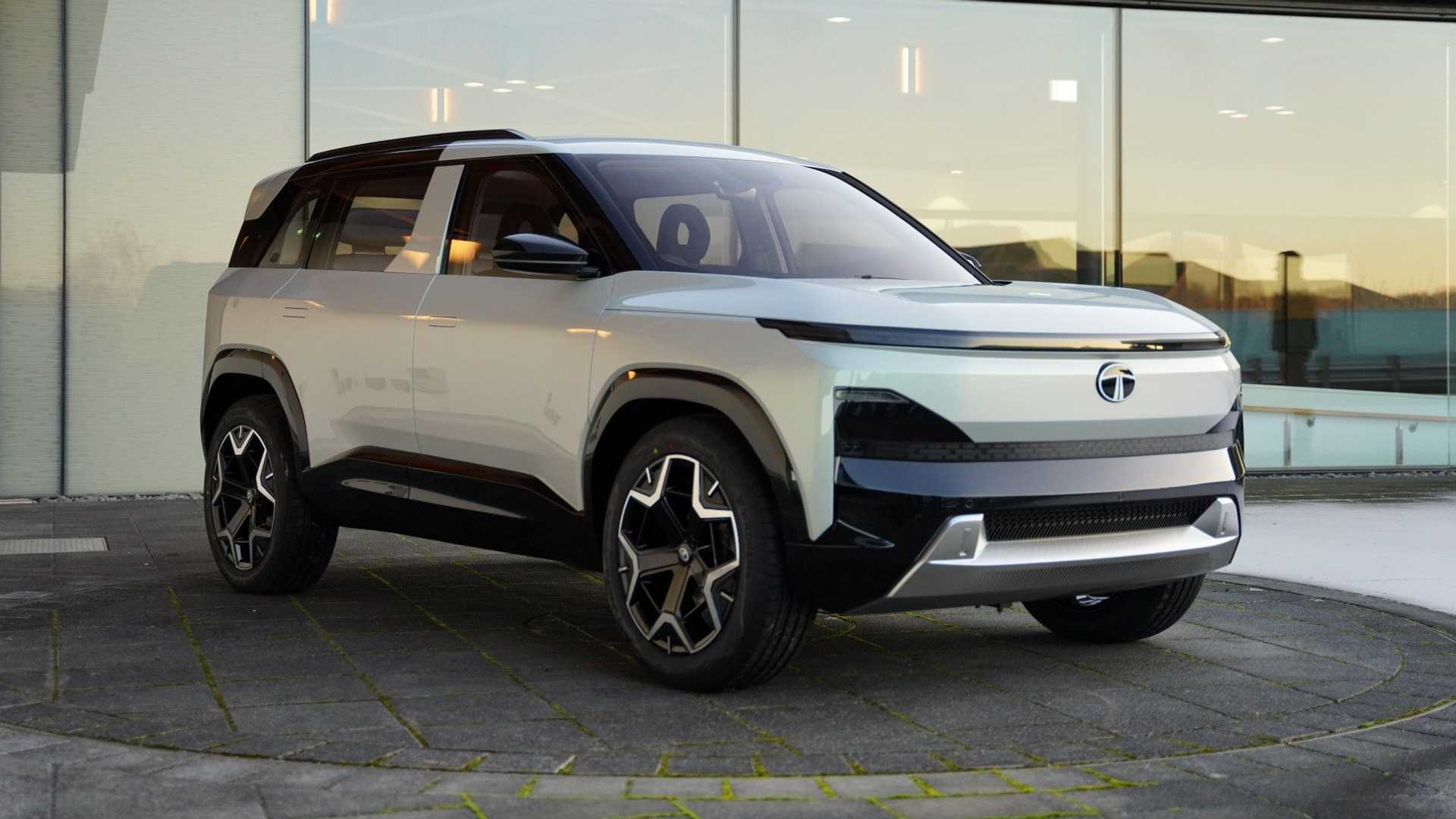

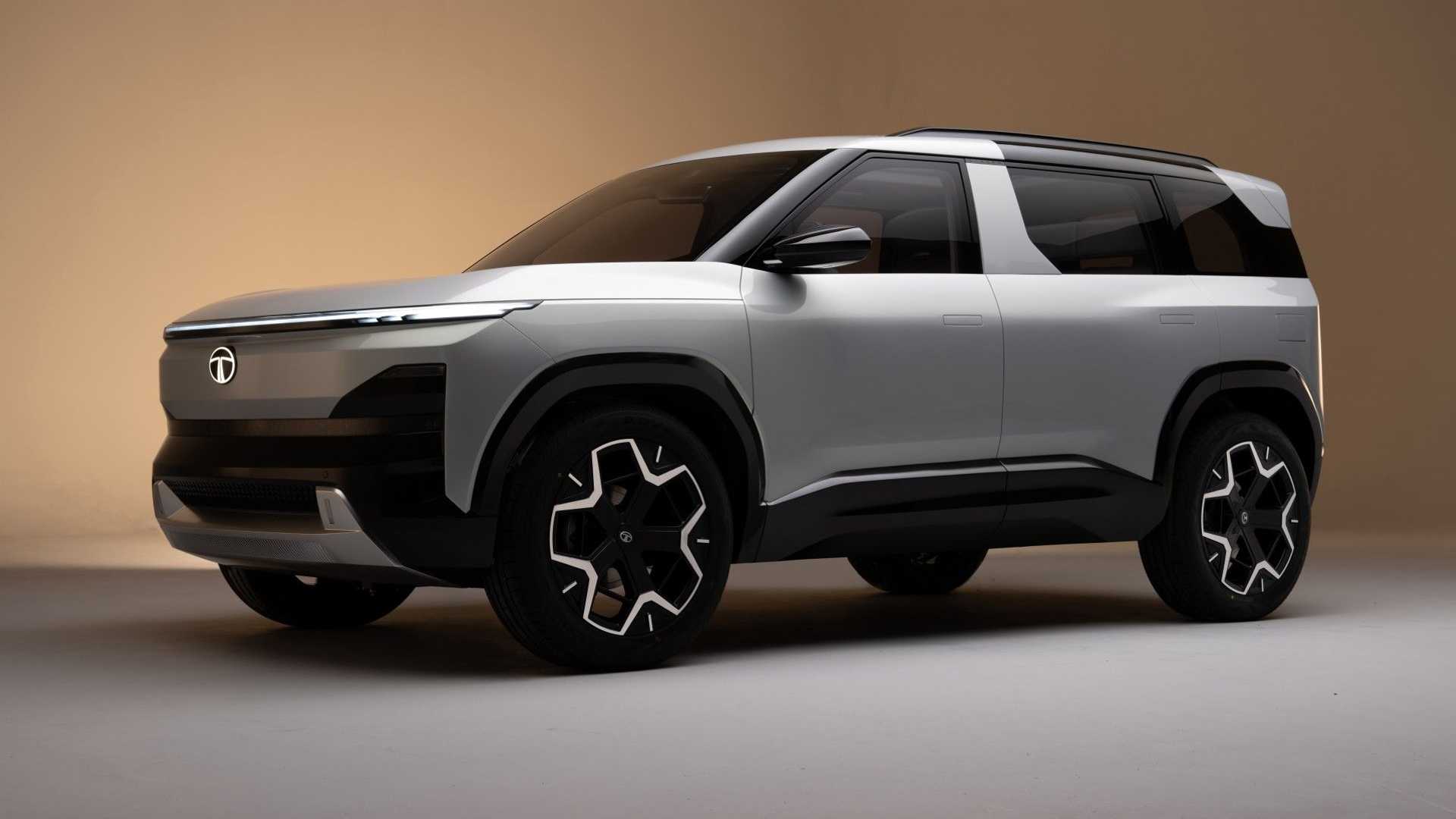
At the recent Auto Expo in Delhi, Tata Motors unveiled four electric concept cars, all of which are set to spawn production models. The Sierra EV, a five-door SUV with a rugged design and modern touches, and the Harrier EV, an electric version of the Harrier compact SUV with overhauled front and rear fascias, were two of the most intriguing concepts. Other EVs being developed by Tata include the Curvv coupe-SUV and the Avinya, also previewed as a concept.
See also: Tata Motors Eyes Spain or UK for European Battery Cell Factory Location
The stake sale in Tata Motors’ EV business represents a significant step forward for the company as it aims to increase its market share in the electric vehicle space. With a strong investor base and a pipeline of exciting new products, Tata Motors is well-positioned to capitalize on the growing demand for electric vehicles in India and around the world.