
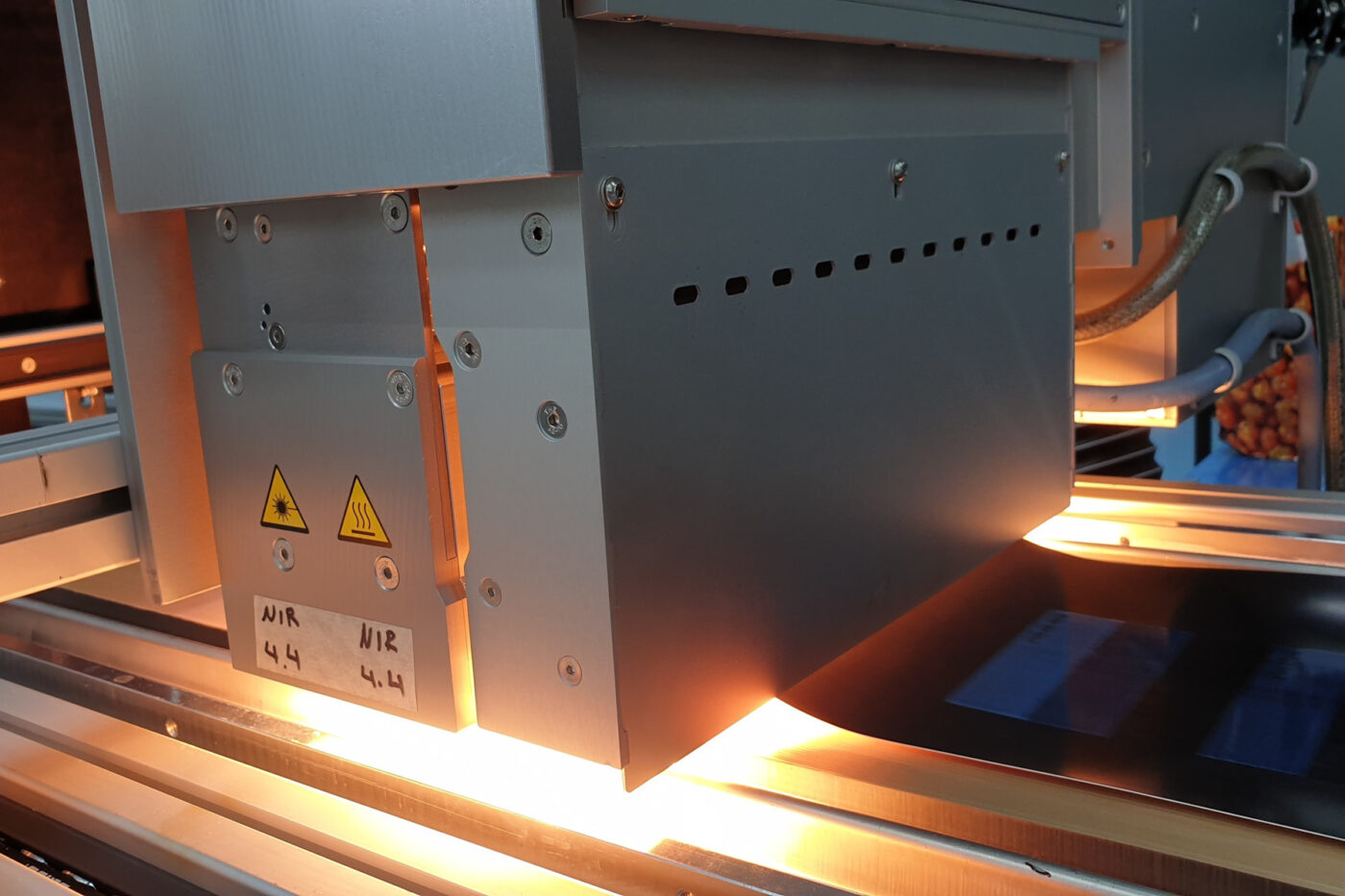
A new study by the Chair of Production Engineering of E-Mobility Components (PEM) at RWTH Aachen University, in collaboration with industrial partners, outlines the challenges and opportunities for establishing solid-state battery production in Europe.
The study analyzes global efforts in this field, identifies the strengths of potential domestic production, and explores what a European alternative to China’s All-Solid-State Battery Collaborative Innovation Platform (CASIP) could look like.
See also: Chery to Launch All-Solid State Battery by 2026, Unveils Kunpeng Battery Brand
The PEM study emphasizes that while fundamental research on solid-state electrolytes has largely been completed, the focus has now shifted to innovative manufacturing processes and scalability. Professor Achim Kampker, Director of PEM, noted, “The focus is now on the need for innovative manufacturing processes and their scalability, because up to 60 percent of the current production layout for lithium-ion batteries may have to be significantly changed.”
As solid-state batteries hold significant promise for the future of the battery market, with a potential output of up to 1,200 gigawatt-hours by 2035 and sales projected to reach 550 billion euros, the need for scalable production technology is critical.
The study also highlights the growing global competition in the solid-state battery market. While Europe and the USA are focusing on polymer and hybrid electrolyte systems, Asia, particularly China, is advancing research on sulphide-based systems.
See also: BMW Partners with Solid Power to Develop Solid State Batteries for EVs
The challenges in production include the need for new processing methods to create thin, dense layers for solid-state electrolytes and lithium metal, as well as the optimization of heat treatment processes and the development of low-resistance electrode stacks. The study points out that custom production processes will also be necessary for hybrid cell formats combining pouch and prismatic designs.
The authors conclude that European manufacturers must innovate rapidly to secure a share of the solid-state battery market, which is poised for significant growth in the coming decades.