
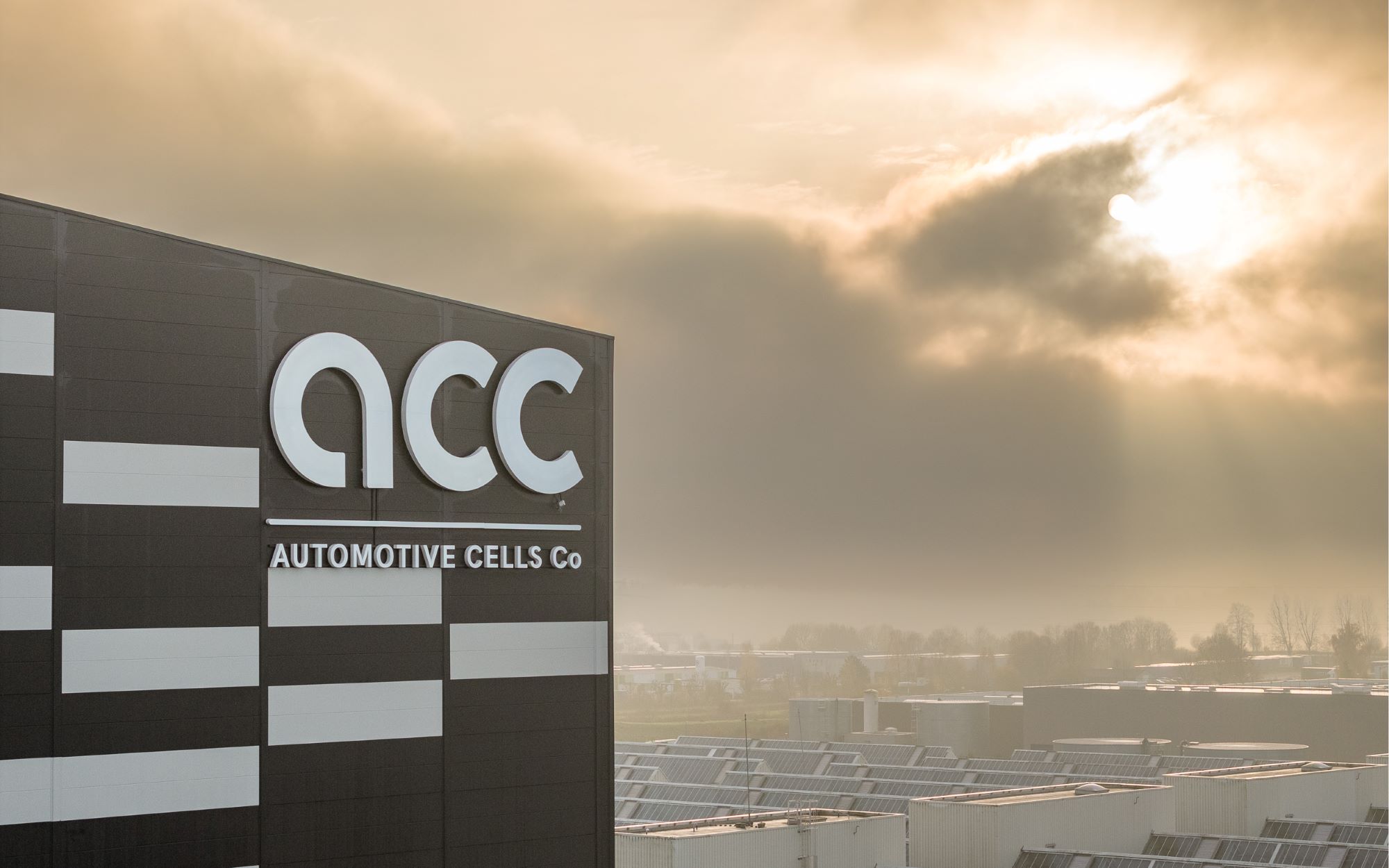
Stellantis is halting production at its French plants in Sochaux, Rennes, and Mulhouse for at least one week, with battery shortages affecting operations at two of the sites as supplier ACC struggles to keep up with demand for nickel-based batteries used in long-range electric vehicles. Reuters reported that the Sochaux and Rennes pauses are linked to insufficient ACC battery supplies, citing an official Stellantis statement.
The battery shortage is indirectly affecting production schedules, as Stellantis is also seeking to avoid building vehicle inventory that does not match customer demand. Demand for long-range electric models remains particularly strong, resulting in extended waiting times for some customers.
Sochaux and Rennes Production Pauses
The Sochaux plant in eastern France, which produces models including the Peugeot 3008 and Peugeot 5008, is scheduled to suspend operations from October 23 to October 30. The Rennes plant, where models including the Citroën C5 Aircross are produced, will pause production from October 22 to October 30.
The previously announced production halt at Mulhouse, scheduled from October 15 to October 30, is attributed to other factors and is not related to the battery shortage.
The production interruptions highlight the importance of ACC’s battery supply to Stellantis’ European electric vehicle manufacturing operations.
ACC Faces Production Ramp-Up Challenges
ACC is a joint venture between Stellantis, Mercedes-Benz, and TotalEnergies. The company originally planned three battery plants in France, Germany, and Italy but has since concentrated on ramping up production at its facility in Douvrin, France, while the other two projects have been put on hold.
Bloomberg reported in February, citing people familiar with the matter, that production at Douvrin had encountered difficulties. At the beginning of the year, ACC was reportedly able to supply batteries for around 1,000 vehicles per month, significantly below its original production targets.
The joint venture subsequently brought in a team of experts from China to help increase output and address elevated defect rates. As ACC’s anchor customer, Stellantis has been directly affected by the slower production ramp-up.
In February, ACC also acknowledged the challenges facing the facility.
“The ramp-up is proving difficult, but we are learning every day and doing our utmost to serve our customers as best as possible,” ACC Secretary-General Matthieu Hubert told Bloomberg.
Battery Supply Affects Long-Range EV Deliveries
Stellantis uses cells produced at the Douvrin facility for electric vehicles based on its STLA Medium platform, including the Peugeot E-3008 and E-5008, Opel Grandland Electric, and DS N°8.
Bloomberg previously reported that customers ordering these models with ACC batteries faced delivery delays of up to eight months. A subsequent report by Automobilwoche in April highlighted particularly long waiting periods for long-range versions of the Opel Grandland, Peugeot E-3008, and E-5008.
“Our deliveries have been pushed back to the first or second quarter of 2027,” a Stellantis dealer told the trade publication.
Other dealers were reportedly no longer receiving binding delivery dates.
Larger Battery Versions Face Supply Constraints
The supply issue is particularly significant for customers choosing the long-range versions of Stellantis’ electric models. These variants use a 97 kWh battery compared with 73 kWh in the corresponding standard versions, with the larger pack providing additional driving range.
ACC has since reduced defect rates and continued to stabilise production. However, battery availability remains below the level required to meet Stellantis’ current demand.
“Unfortunately we are not yet receiving enough of the batteries, despite big progress in ACC’s production,” a Stellantis spokesperson told Reuters.
The company said demand for long-range electric models, particularly from fleet customers, remains high and continues to exceed available battery supply.