



Stellantis is struggling to meet planned electric vehicle production targets due to battery supply constraints at its partner Automotive Cells Company (ACC), according to people familiar with the matter cited by Bloomberg.
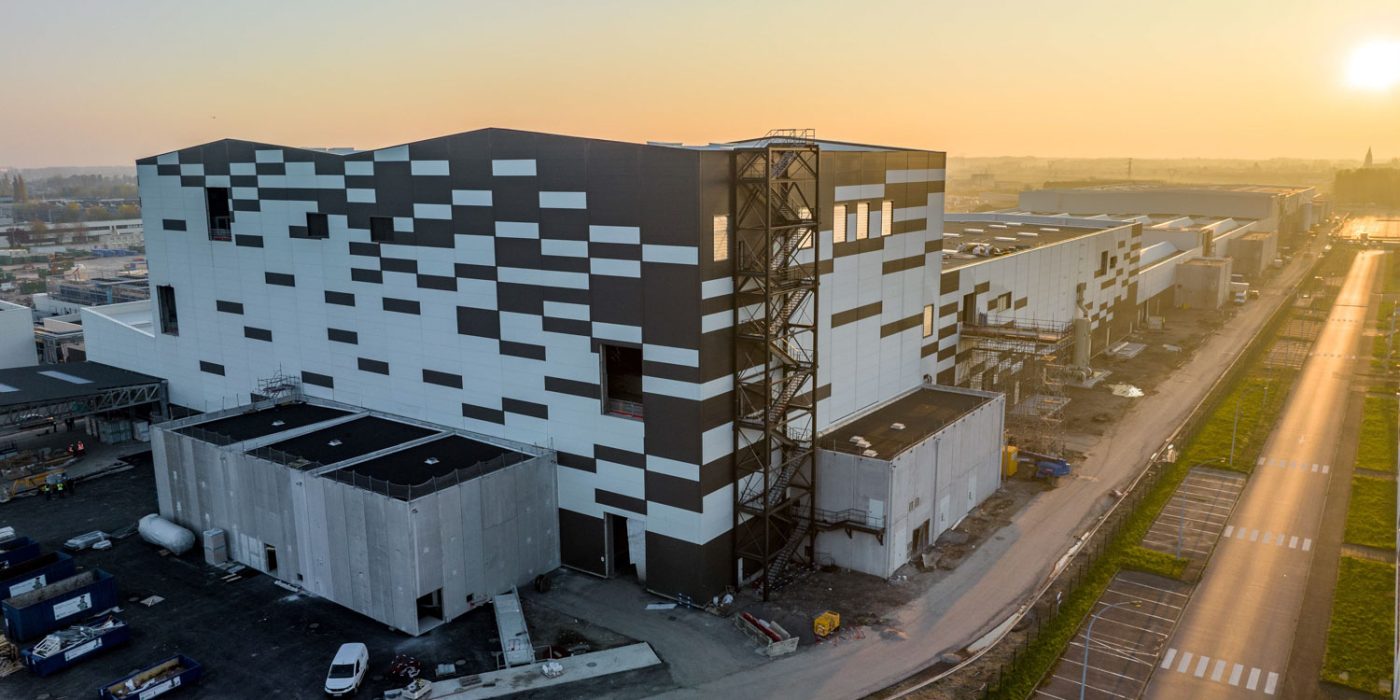
Supply issues at ACC’s battery cell factory in Douvrin, northern France, are expected to delay deliveries of several electric models, the news agency reported. ACC is currently able to equip only around 1,000 vehicles per month with battery cells, far below its original production targets, Bloomberg said, citing informed sources. The report added that ACC has brought in a team of experts from China in an effort to improve yields and reduce high scrap rates.
See also: Volkswagen, Stellantis Urge EU to Back ‘Made in Europe’ Electric Vehicles
ACC did not confirm the reported production figures but acknowledged challenges in ramping up output. “The ramp-up is difficult but we are learning every day and doing as much as possible to service our clients,” ACC Secretary-General Matthieu Hubert told Bloomberg, declining to provide further details. Stellantis did not respond to requests for comment.
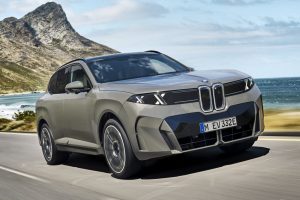
According to Bloomberg, electric vehicles built on Stellantis’ STLA Medium platform and using ACC battery cells are facing delivery delays of up to eight months. Models affected reportedly include the Peugeot E-3008 and E-5008, as well as sister vehicles such as the Opel Grandland Electric and the DS N°8.
See also: Stellantis Says Future Europe Investments Depend on EU Auto Rules
Signs of difficulties at the Douvrin plant, which began operations in 2023, had surfaced earlier. In November 2025, Italian financial newspaper Milano Finanza reported scrap rates of between 15% and 20%, limiting the number of battery packs ACC could supply to Stellantis, currently its sole customer. The report said internal data suggested the plant would be able to deliver only 15,000 to 20,000 battery packs in the final four months of the year, with production costs estimated to be 20% to 25% higher than those of Asian competitors.
Bloomberg drew parallels between ACC’s situation and that of Northvolt, which also struggled with high scrap rates and rising costs during its production ramp-up before filing for insolvency after a failed financing round, despite having customer orders.
See also: Stellantis Warns EU Auto Policy Risks Undermining Investment, FT Reports
Stellantis is ACC’s largest shareholder, alongside Mercedes-Benz and French energy group TotalEnergies, via its battery subsidiary Saft. ACC has already put planned battery plants in Kaiserslautern, Germany, and Termoli, Italy, on hold, while TotalEnergies has publicly questioned further investment commitments.
As a result, Stellantis is increasingly looking beyond ACC for battery supply in Europe. The group is partnering with CATL to build a lithium iron phosphate (LFP) battery factory in Spain, as it reassesses its electric vehicle strategy amid slowing demand growth and rising cost pressures.


