



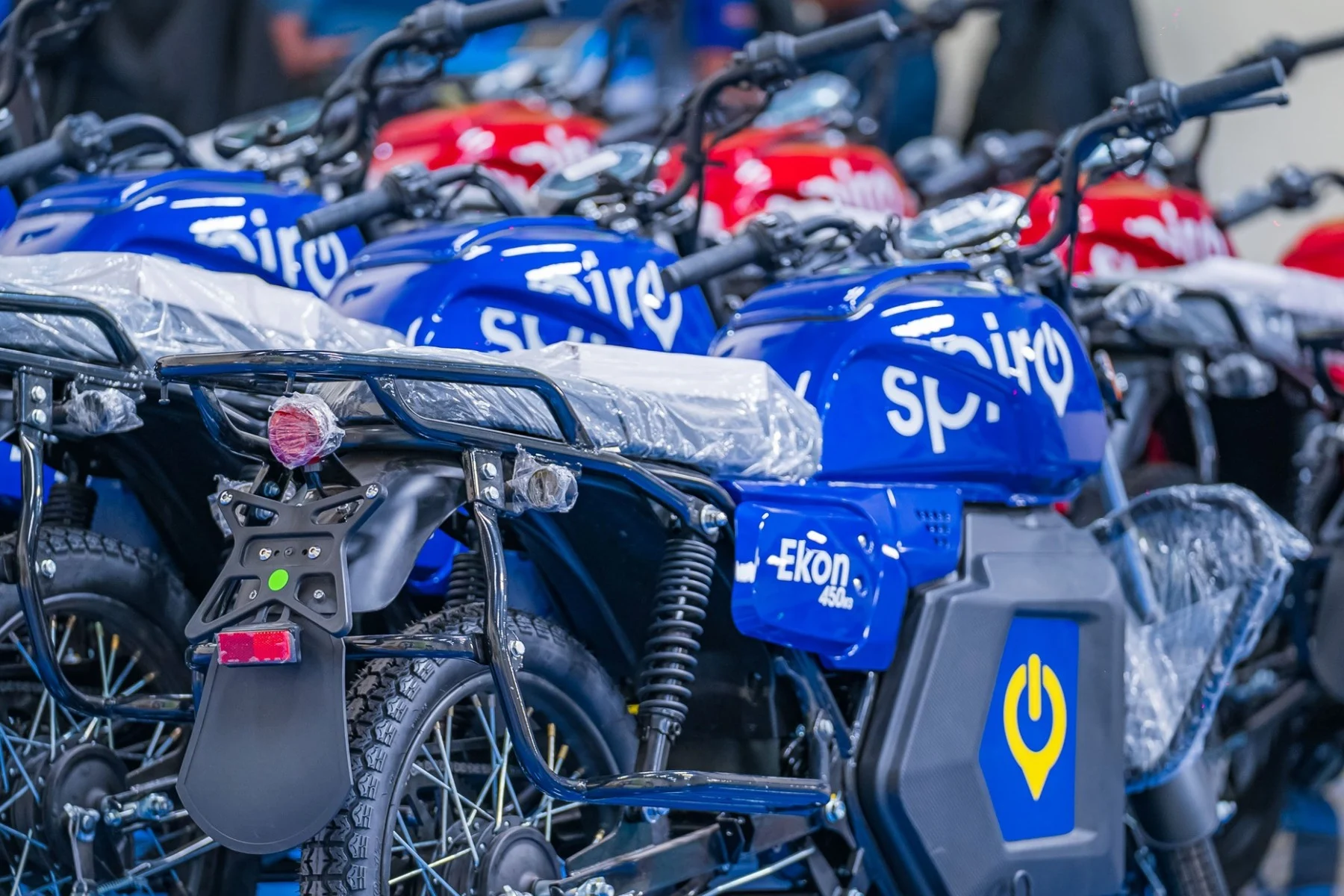
African electric mobility company Spiro has secured $50 million in credit facilities to expand its electric motorcycle operations and battery-swapping infrastructure, just months after a previous funding round.
The Dubai-based startup, which operates from Nairobi, said the financing comes from Afreximbank, Nithio and the Africa Go Green Fund, led by Cyngum Capital. The funds are structured as credit rather than equity and are intended to support the company’s capital-intensive model, including vehicle production, swap stations and ecosystem development. In October 2025, Spiro announced a separate $100 million funding round, though the breakdown between debt and equity was not disclosed.
Chief Executive Kaushik Burman said demand for the company’s services continues to increase. “Demand for Spiro’s innovative, industry-leading battery swapping infrastructure continues to grow and is reshaping mobility in Africa by providing reliable, clean transportation options across the continent,” he said.
Spiro currently operates in Kenya, Uganda, Rwanda, Nigeria, Benin and Togo, with pilot projects underway in Cameroon and Tanzania. The company said it has deployed more than 80,000 electric motorcycles and operates over 2,500 battery-swapping stations. According to Spiro, its network has facilitated more than 30 million battery swaps and over one billion kilometres of zero-emission travel.
See also: Spiro Launches Electric Motorbikes in Ogun State, Nigeria
The business focuses primarily on motorcycle taxi services — known as boda bodas in East Africa — where high upfront costs can limit adoption of electric vehicles. Spiro offers financing options such as lease-to-own arrangements and a battery-as-a-service model, allowing drivers to pay per swap rather than purchasing batteries outright.
The new financing will be used to expand the swap network in existing and new markets and to develop technology including fast charging, automated swap systems and integration of renewable energy sources. In many locations, however, the battery exchange process remains manual: drivers remove depleted batteries weighing about 10–15 kilograms and insert charged replacements retrieved from secured lockers. Some cities also have staffed swap points where personnel perform the exchange.
See also: Ugandan Boda-Boda Taxis to Go Electric with Spiro’s Ambitious Plan: A Sustainable Future for Africa
Burman said the funding supports the company’s long-term strategy. “With strong financial backing and cutting-edge technology, Spiro is leading Africa’s transition to sustainable mobility. This new funding reinforces our vision of building a robust, scalable energy network tailored for Africa by Africans,” he said.


