


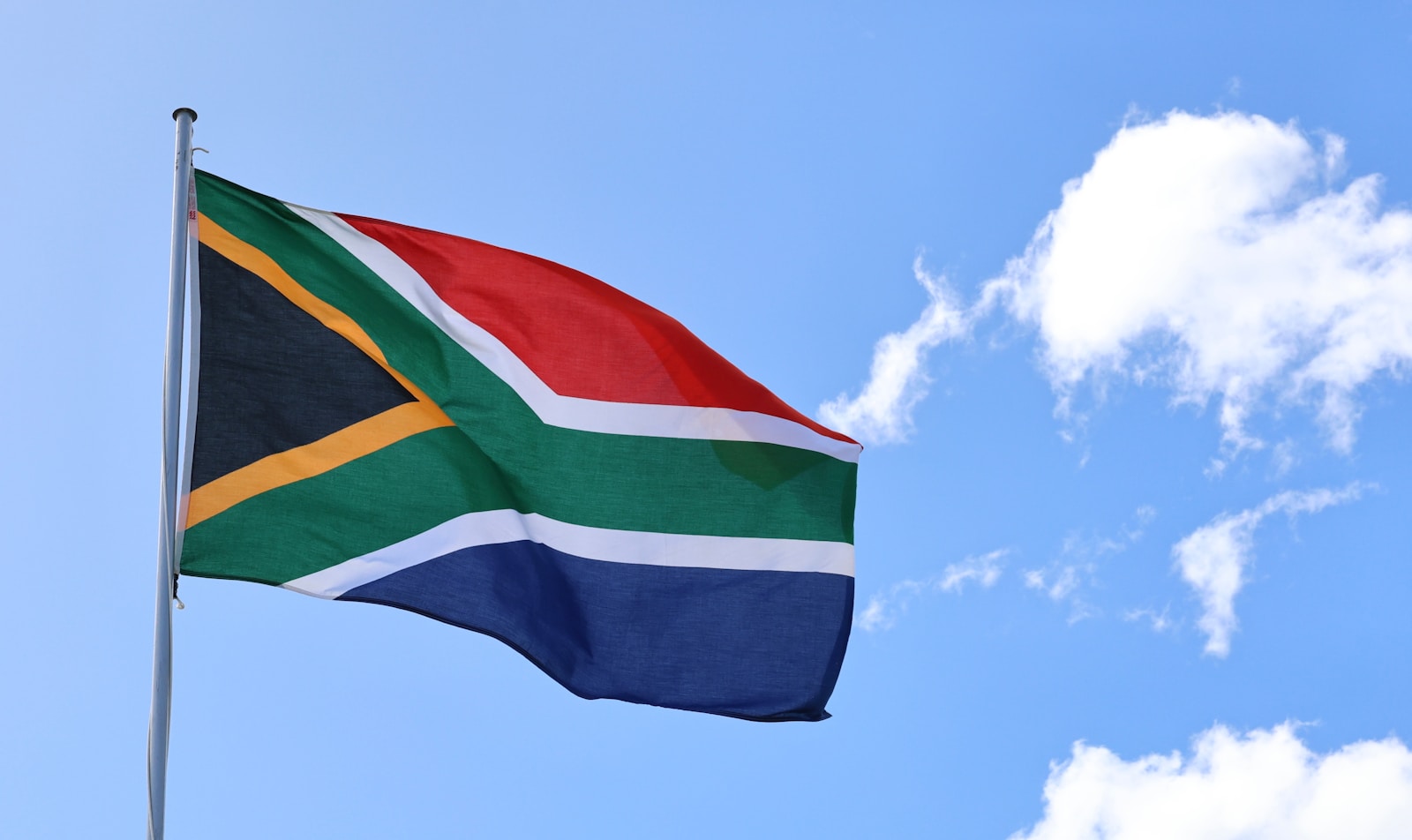
South Africa is considering raising import tariffs on vehicles from China and India to as much as 50% as global protectionist pressures intensify and policymakers seek to shield the country’s automotive manufacturing base.
The Department of Trade, Industry and Competition is conducting an internal review to evaluate measures aimed at curbing vehicle imports that authorities say are undermining local production, Bloomberg reported on Tuesday.
See also: BYD to Introduce 1,000 kW ‘Flash Charging’ Network in South Africa by 2026
One option under discussion is revising South Africa’s tariff schedule to bring duties closer to World Trade Organization most-favoured-nation ceilings. “For completely built-up passenger vehicles, the bound rates there are at 50%, our duties at the moment are at around 25%,” Ayabonga Cawe, commissioner of the International Trade Administration Commission, told lawmakers, according to Bloomberg. He added that duties on vehicle components could also be adjusted, with scope of between 10% and 12% depending on the country of origin.
Vehicles imported from China and India accounted for about 53% and 22% of South Africa’s total vehicle imports respectively in 2024, the report said. Over the past four years, imports from China surged 368%, while shipments from India rose 135%, intensifying competition, particularly in the entry-level segment where lower-priced models are squeezing margins for domestic producers.
See also: Eskom Deploys First EV Fleet in South Africa, Plans Further Expansion
The South African automotive market has been evolving rapidly, with Chinese brands gaining traction among consumers, according to a recent research note from Deutsche Bank. Total vehicle sales in the country rose 19% year-on-year in December to 48,983 units, contributing to full-year 2025 sales growth of 16% to 596,856 vehicles.
Among Chinese automakers, Chery and Great Wall Motor have established the largest operational footprints in South Africa. Chery sold 46,887 vehicles in the country in 2025, nearly doubling sales from a year earlier, while Great Wall Motor delivered 27,243 units, up more than 45%, according to data from MarkLines.
See also: Nissan Explores Hybrid Vehicle Launch in South Africa to Support EV Transition
In January, Nissan Motor announced it had reached an agreement allowing Chery to acquire its production assets in Rosslyn, near Pretoria. Under the deal, Chery South Africa is set to take over the land, buildings and related facilities at Nissan’s plant, including a nearby stamping facility, by mid-year.
If implemented, higher tariffs would mark a significant shift in South Africa’s trade policy, potentially reshaping competition in one of the continent’s largest vehicle markets while testing relations with major automotive exporters in Asia.


