
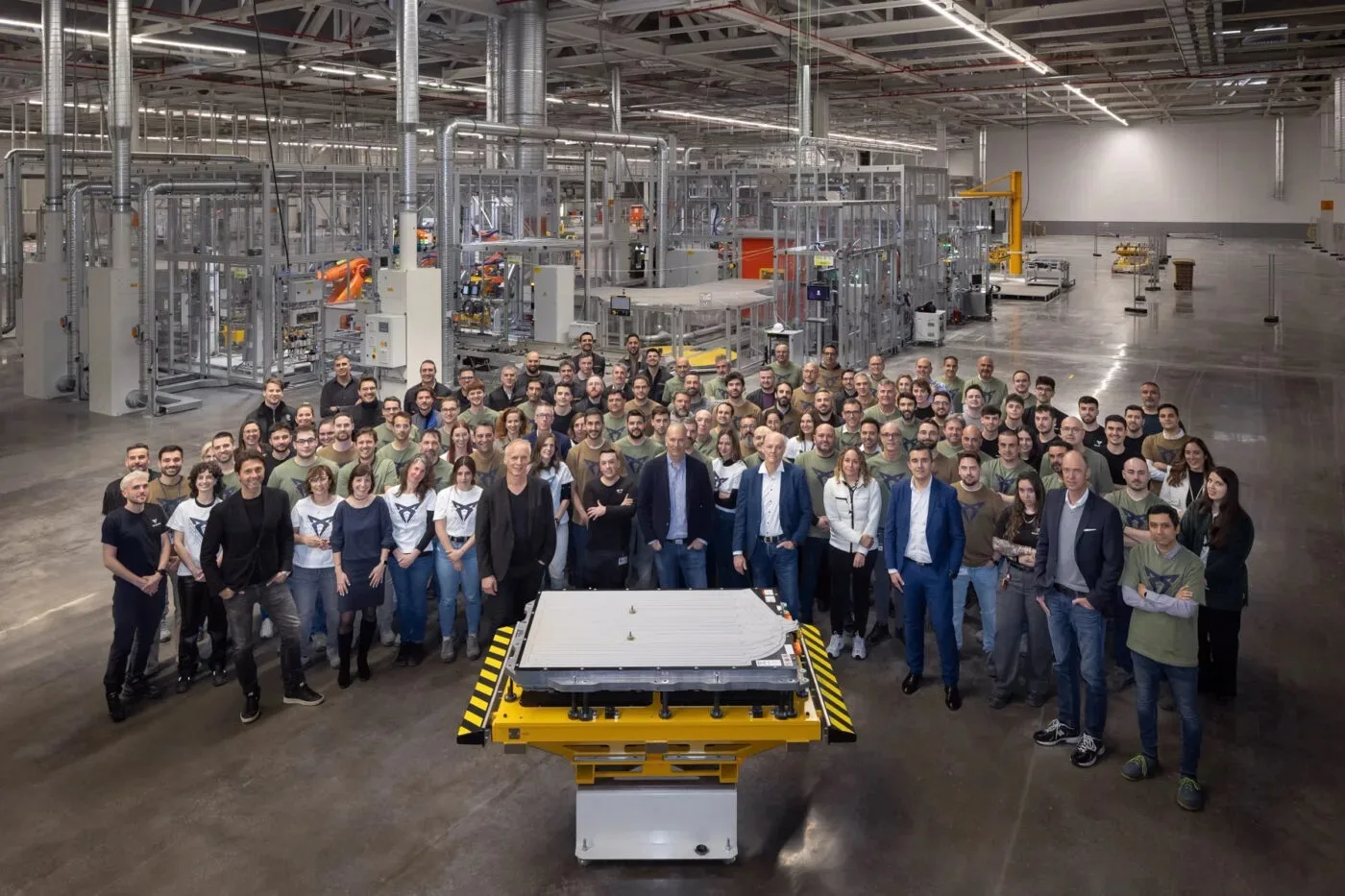
Seat has achieved two key milestones on its path to electric vehicle production at its Martorell plant in Spain, marking significant progress toward series manufacturing planned to begin in 2026.
The company announced the start of pre-series assembly of battery systems and the initial production of body parts using its new PXL press. These components will serve two upcoming electric models: the Cupra Raval and the VW ID.2, both slated for production at Martorell.
The battery assembly facility, part of a €300 million project unveiled in 2023, has already produced its first pre-series battery packs. The plant, linked directly to the assembly hall for the two EVs, is expected to be fully operational by 2025 with a workforce of 500 and a capacity to produce up to 300,000 battery packs annually for vehicles built at Martorell. Battery supply for VW’s Pamplona plant, which will produce the Skoda Epiq and VW ID.2X SUVs, will come from other sources.
Simultaneously, Seat is installing a 600-metre-long conveyor bridge to transport battery packs directly to vehicle assembly lines, ensuring a continuous, synchronized supply.
The new PXL press, designed to deliver up to 15 strokes per minute and an annual output of four million parts, aims to improve manufacturing efficiency for large body components.
Markus Haupt, Interim CEO of Seat and Cupra and Executive Vice-President for Production and Logistics, described the milestones as “a key milestone in our electrification process” and underscored 2025–2026 as decisive years for preparing the launch of the “Electric Urban Car” family.
Haupt also noted the leadership transition following the March departure of former CEO Wayne Griffiths, emphasizing that production ramp-up remains on track despite the executive changes.
Seat’s pre-series production phase allows testing of systems and processes under real-world conditions ahead of full-scale manufacturing, positioning the company to compete in the growing European EV market.