



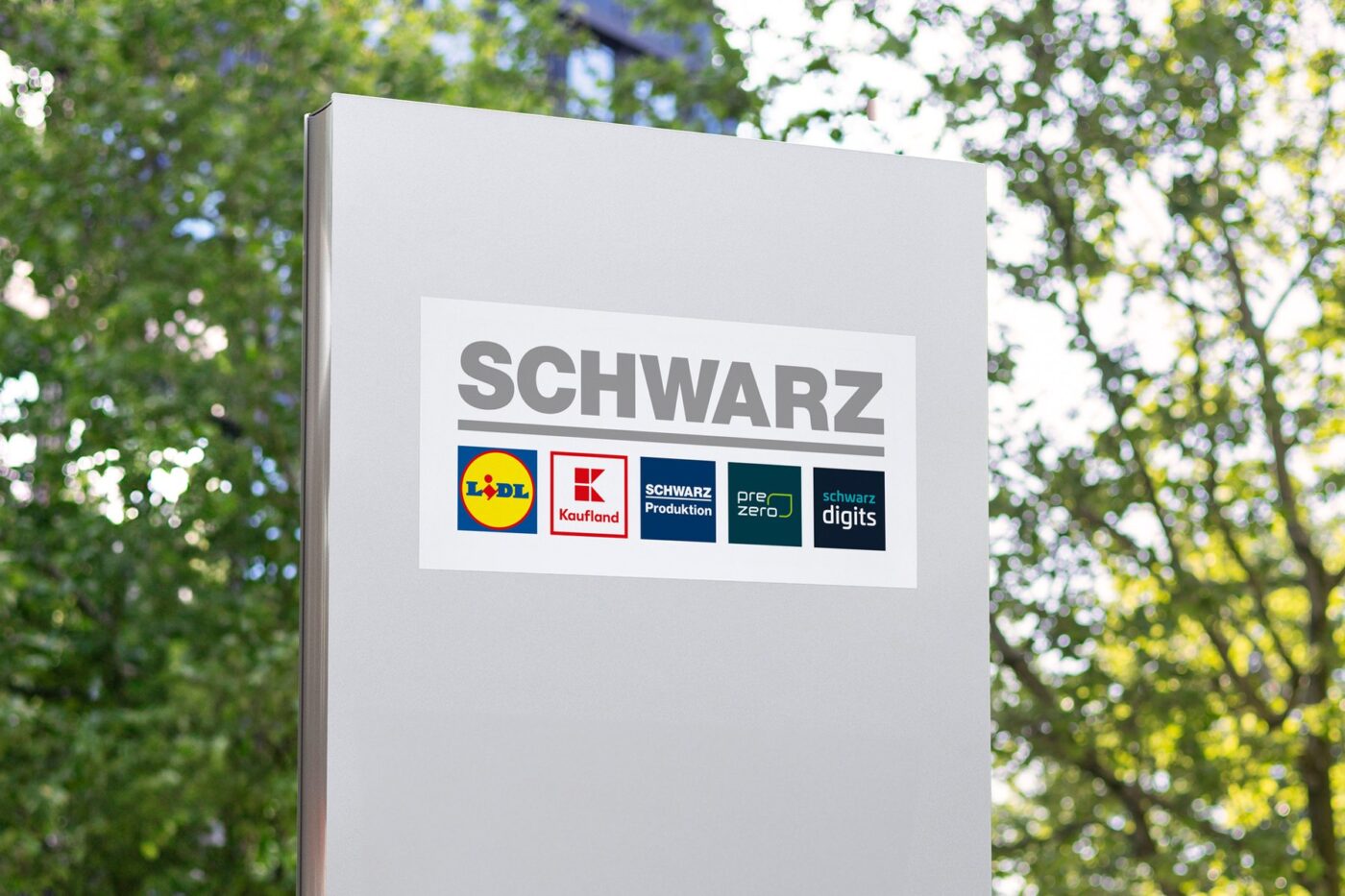
Schwarz Group, the parent company of supermarket chains Lidl and Kaufland, has temporarily removed battery-electric vehicles from its company car program for new orders in Germany, according to reports by Welt and Lebensmittel Zeitung.
The move means employees eligible for company cars will currently only be able to select internal combustion engine models for new vehicle orders in Germany, despite tax incentives that continue to favor electric company cars.
The company said the decision reflects uncertainty in the electric vehicle market and evolving regulatory conditions. It added that the policy will be reviewed regularly and could change if market conditions improve.
DHL Express Deploys Bangladesh’s Largest Electric Delivery Van Fleet
Resale Value Drives Procurement Decision
Unlike many large corporations that lease their company vehicles, Schwarz Group purchases its fleet outright before selling the vehicles on the used car market. According to the company, lower residual values for many electric vehicles reduce the economic return when fleet vehicles are resold.
The retailer also pointed to differences in demand between used electric vehicles and conventional combustion-engine cars. Rapid advances in battery technology, driving range, charging capability and vehicle software can make relatively new electric models appear less attractive to second-hand buyers.
The company said tax incentives have primarily stimulated purchases of new electric vehicles but have done little to strengthen demand in the used vehicle market.
Policy Limited to Germany
Schwarz Group emphasized that the decision only affects its German operations. The company said it will continue expanding electric vehicle fleets in other European markets while maintaining broader sustainability initiatives.
The retailer reiterated its commitment to achieving net-zero greenhouse gas emissions by 2050 and said electromobility remains an important part of that strategy. It also plans to continue expanding charging infrastructure at Lidl and Kaufland locations.
By the end of the 2025 financial year, the company said it had installed more than 24,000 charging points across 6,973 sites. It is also continuing to introduce electric trucks into parts of its logistics operations, including through logistics partner Simon Loos.
Used EV Market Shows Mixed Signals
While lower residual values remain a challenge for many electric vehicles, recent market data suggests demand for certain used EVs has strengthened.
Figures from Deutsche Automobil Treuhand (DAT) indicate that battery-electric vehicles typically retain between 47% and 51% of their original list price after three years and 20,000 kilometers of annual driving. Premium and upper mid-range electric models continue to face greater resale challenges due to a smaller pool of buyers.
Michelin Expands UK Electric Fleet With 19 Ford E-Transit Vans
However, market conditions have evolved during 2026. AutoScout24 reported rising consumer interest in used electric vehicles earlier this year, particularly for smaller and more affordable models, while supply declined. The data suggests the second-hand EV market has become increasingly segmented, with newer, competitively priced vehicles attracting stronger demand than older or more expensive models.
Questions Over BMW Fleet Strategy
The decision has also prompted questions about Schwarz Group’s long-standing reliance on BMW as its primary supplier of company vehicles.
The retailer switched its corporate fleet from Audi to BMW in 2018 and has continued sourcing most company cars from the German automaker. Industry observers have suggested that purchasing agreements for combustion-engine vehicles, together with extended delivery times for some electric BMW models, may have influenced the company’s latest procurement policy.
A previous Schwarz Group fleet manager said the company operated around 13,000 employee vehicles in Germany, with cars typically covering nearly 40,000 kilometers annually before being replaced after roughly 18 months.
Mars and REWE Launch Cross-Border Electric Truck Corridor for Food Deliveries
Although Schwarz Group has temporarily paused new battery-electric company car orders in Germany, it said the measure remains under review as market conditions continue to evolve.
“The situation would be continuously reviewed – and that if the market environment stabilises, the procurement policy could be adjusted.”


