
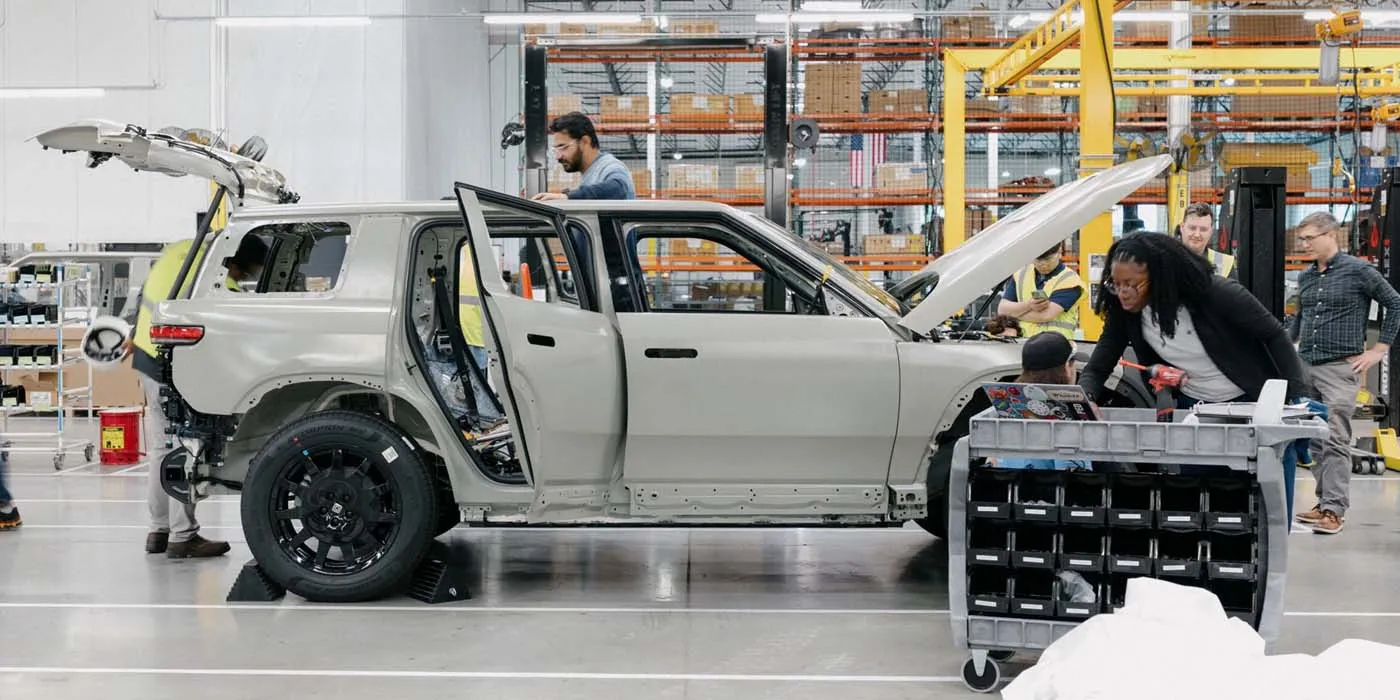
Rivian said on Tuesday it has substantially completed the expansion of its manufacturing facility in Normal, Illinois, where it will build the forthcoming R2 electric crossover, as the company seeks to scale production and broaden its appeal with a more affordable model.
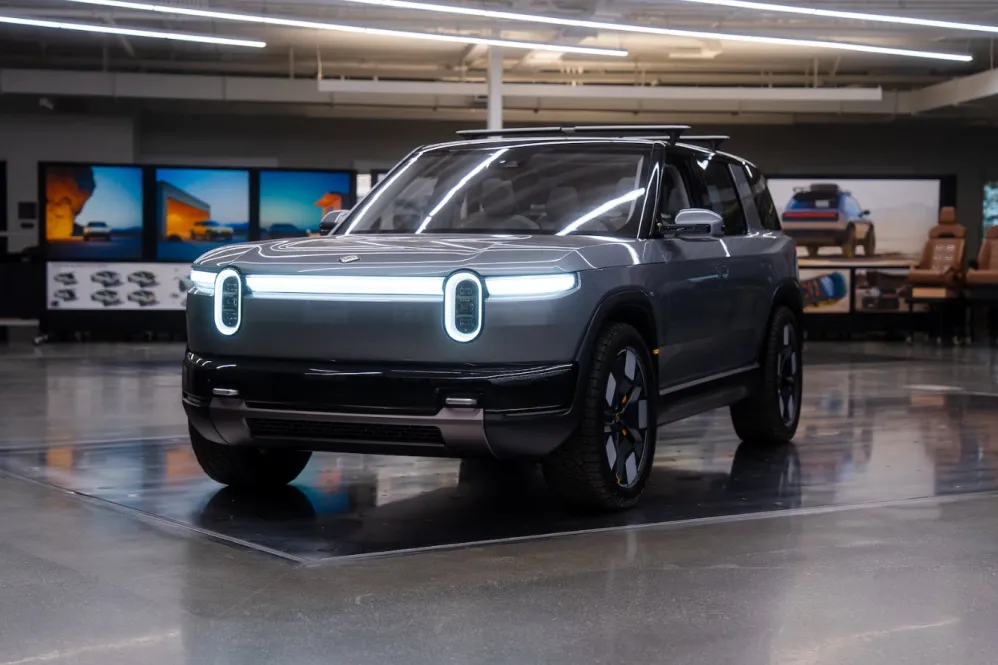
The 1.1-million-square-foot addition will house the body shop and general assembly lines for the R2. Once fully operational, the expanded plant will support an annual production capacity of 215,000 vehicles, according to the company. The R2, priced around $45,000, is expected to enter production in 2026 and is seen as a mainstream rival to Tesla’s Model Y.
See also: Trade Tensions and Incentive Cuts Put Pressure on Rivian and Lucid’s EV Strategy
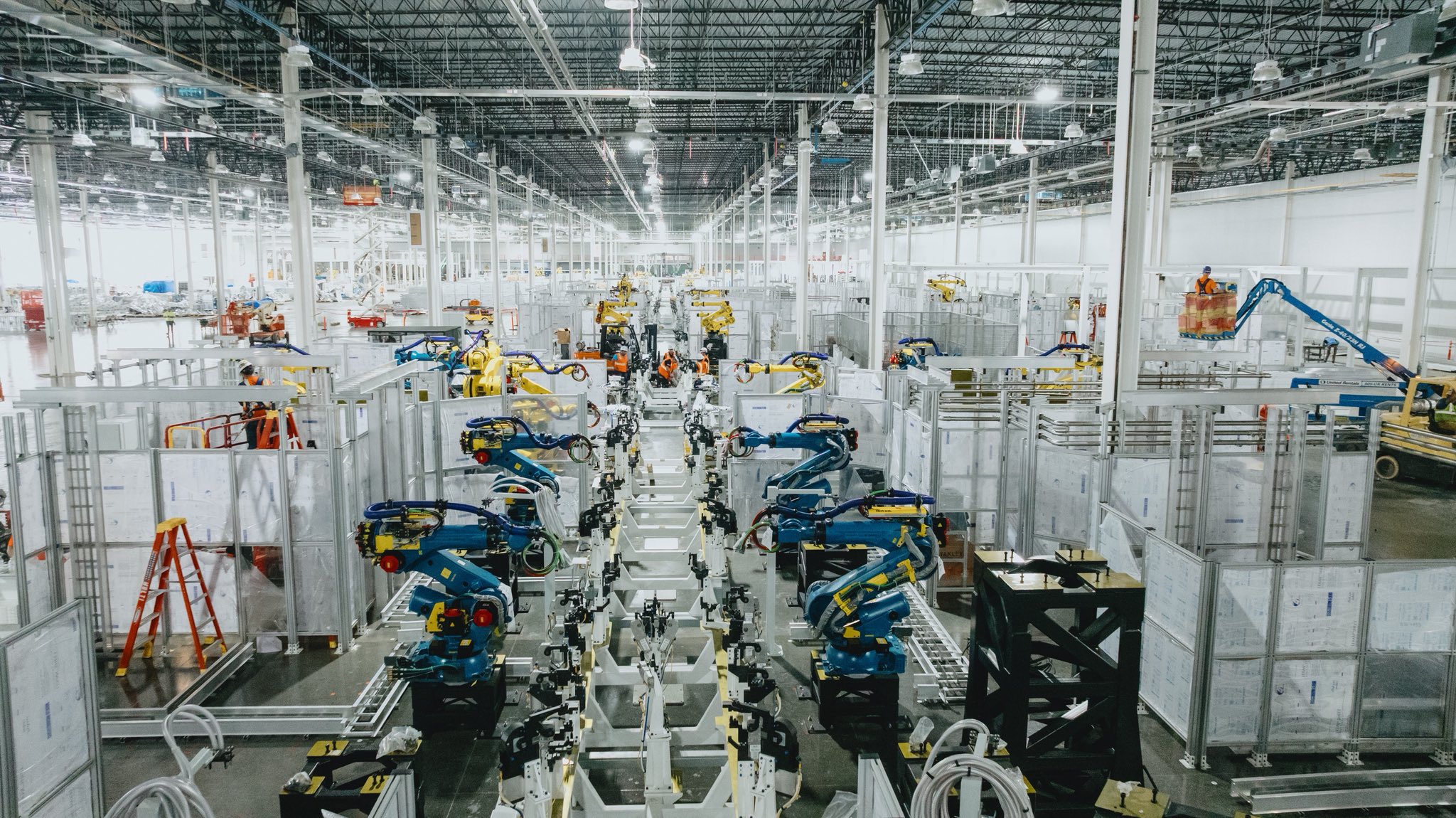
“This quarter we made significant progress in R2 development and testing,” said RJ Scaringe, Rivian’s chief executive officer, in a statement. “We also substantially completed the expansion of our Normal, Illinois facility and have begun installing manufacturing equipment in preparation for our start of production.”
On its second-quarter earnings call, Scaringe said the R2 platform is central to Rivian’s long-term goal of building “millions” of vehicles per year. The R2 is designed to cost roughly half as much to manufacture as the company’s current R1T pickup and R1S SUV. In addition to the Illinois site, Rivian plans to begin construction on a new production facility in Georgia in early 2026, which will eventually also support R2 production.
See also: Rivian Reports Lower Q2 Production but Stronger Deliveries as R2 Prepares for Launch
Despite progress on the R2 program, Rivian reported mixed financial results. The company posted $1.3 billion in revenue and an adjusted net loss of $667 million for the quarter. After achieving two consecutive quarters of positive gross profit, Rivian slipped back into negative gross margins in the second quarter, due to supply chain disruptions and changes in trade policy.
CFO Claire McDonough said that regulatory shifts contributed to weaker-than-expected vehicle production in the second quarter. “Some of the recent changes associated with regulatory credits and its second quarter performance” prompted Rivian to revise its full-year guidance, she noted.
See also: Rivian Prepares for R2 Production with Scaled-Down Platform and Simplified Design
Rivian now anticipates a full-year loss of $2 billion to $2.25 billion, wider than its prior forecast of $1.7 billion to $1.9 billion. In part, the company cited the elimination of penalties under Corporate Average Fuel Economy (CAFE) rules by Republicans in Congress, which has reduced the market for emissions credits that Rivian previously sold to more polluting automakers. It now expects $160 million in regulatory credit sales this year, down from an earlier estimate of $300 million.