
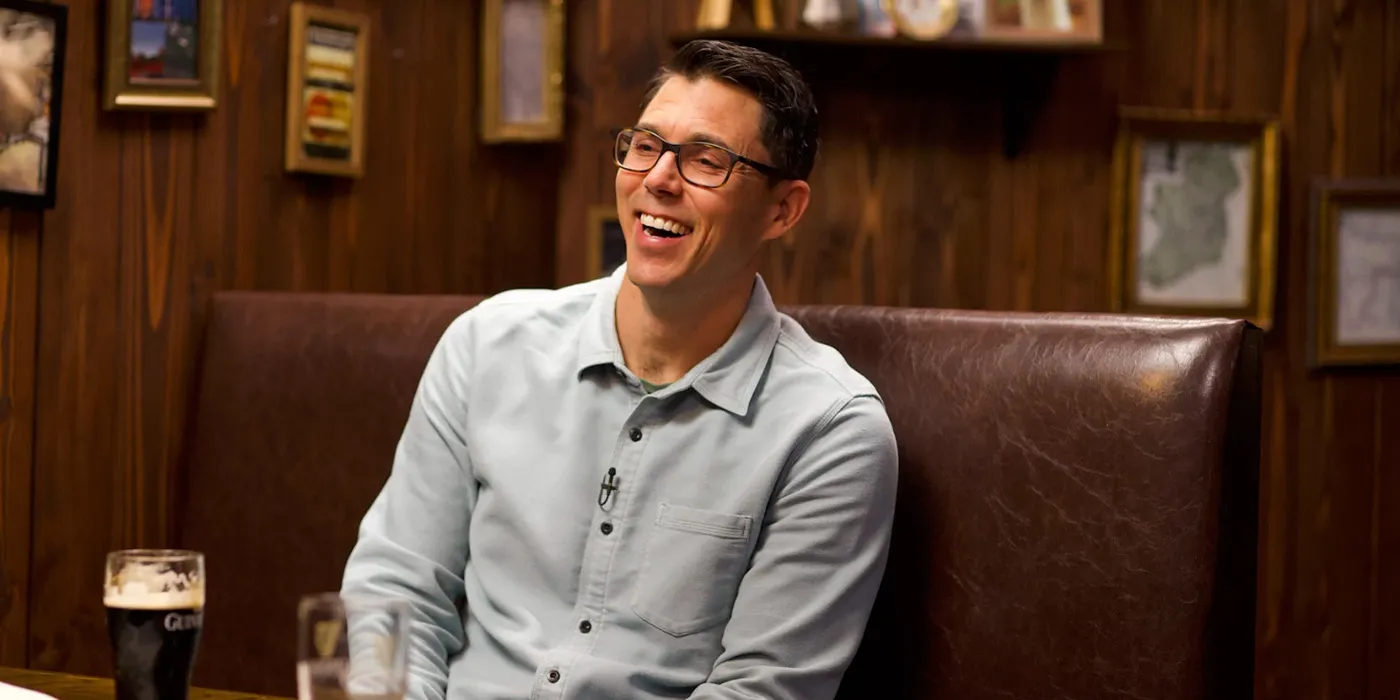
Rivian’s chief executive said true hands-free and eventually fully driverless driving for consumer vehicles could arrive sooner than many expect, as automakers race to close the gap between today’s advanced driver-assistance systems and fully autonomous robotaxis.
Speaking to Automotive News, Rivian CEO RJ Scaringe said the company’s next major autonomy milestones will include a “hands-off everywhere” system, followed by a “point-to-point navigation” feature that would allow vehicles to navigate entire routes with limited driver input. Both features would still require driver supervision.
See also: Rivian to Add Digital Key Support to Gen 2 Vehicles in Upcoming Software Update
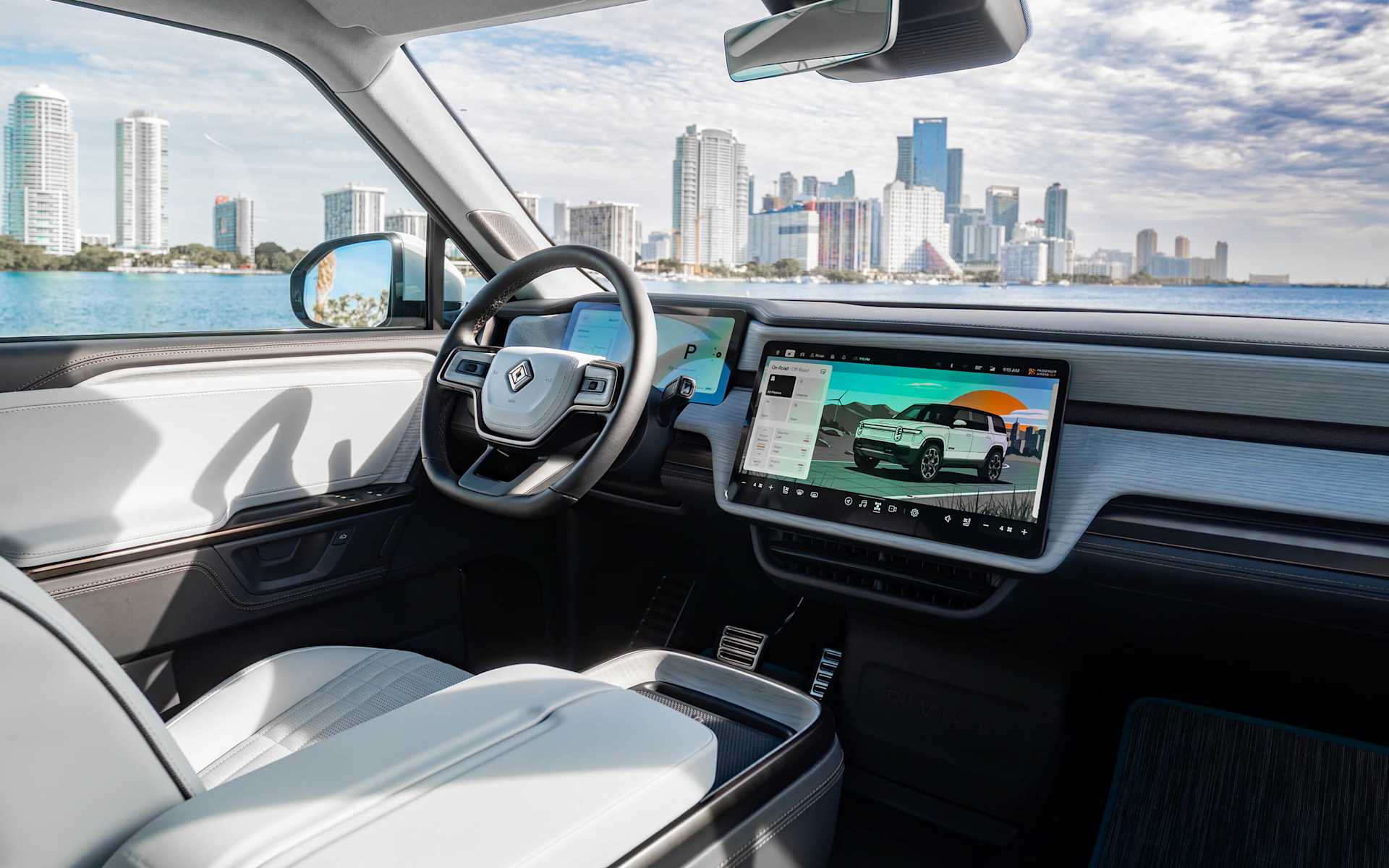
After those stages, Scaringe said Rivian expects progress toward systems that no longer require human attention. “The next step is allowing you not to be in the vehicle,” Scaringe told the publication. “Our view is that’s going to happen well before the end of the decade.”
The comments come as the auto industry operates at two different levels of autonomy. In several U.S. cities, Alphabet’s Waymo already operates commercial robotaxi services with no human driver onboard. At the same time, consumer vehicles rely on supervised systems such as General Motors’ Super Cruise and Tesla’s Full Self-Driving (Supervised), which still require constant driver attention.
See also: Rivian CEO Says End of U.S. EV Tax Credit May Ease Competitive Pressure
Industry expectations for fully autonomous consumer cars have evolved over nearly a decade. Tesla CEO Elon Musk first laid out similar ambitions in 2016, predicting that owners would one day summon their cars for autonomous trips and even earn income through robotaxi services. Progress has proven slower than initially expected as technical, regulatory and safety hurdles remain significant.
At the same time, rapid advances in artificial intelligence have accelerated the development of autonomous driving software, shifting the industry away from rule-based systems toward data-driven AI models capable of learning from real-world driving.
See also: Rivian Confirms R3 Model Will Launch at Lower Price Than R2

Rivian’s comments also reflect broader industry movement. General Motors has said it plans to introduce “eyes-off” driving with Super Cruise by 2028, initially in the Cadillac Escalade. Waymo continues to expand robotaxi operations, handling millions of paid trips per month while entering highways and preparing launches in new cities.
Rivian is expected to outline more details about its autonomy roadmap during its upcoming Autonomy and AI Day next week. The company has not provided a firm timeline for regulatory approval of fully driverless consumer vehicles.