
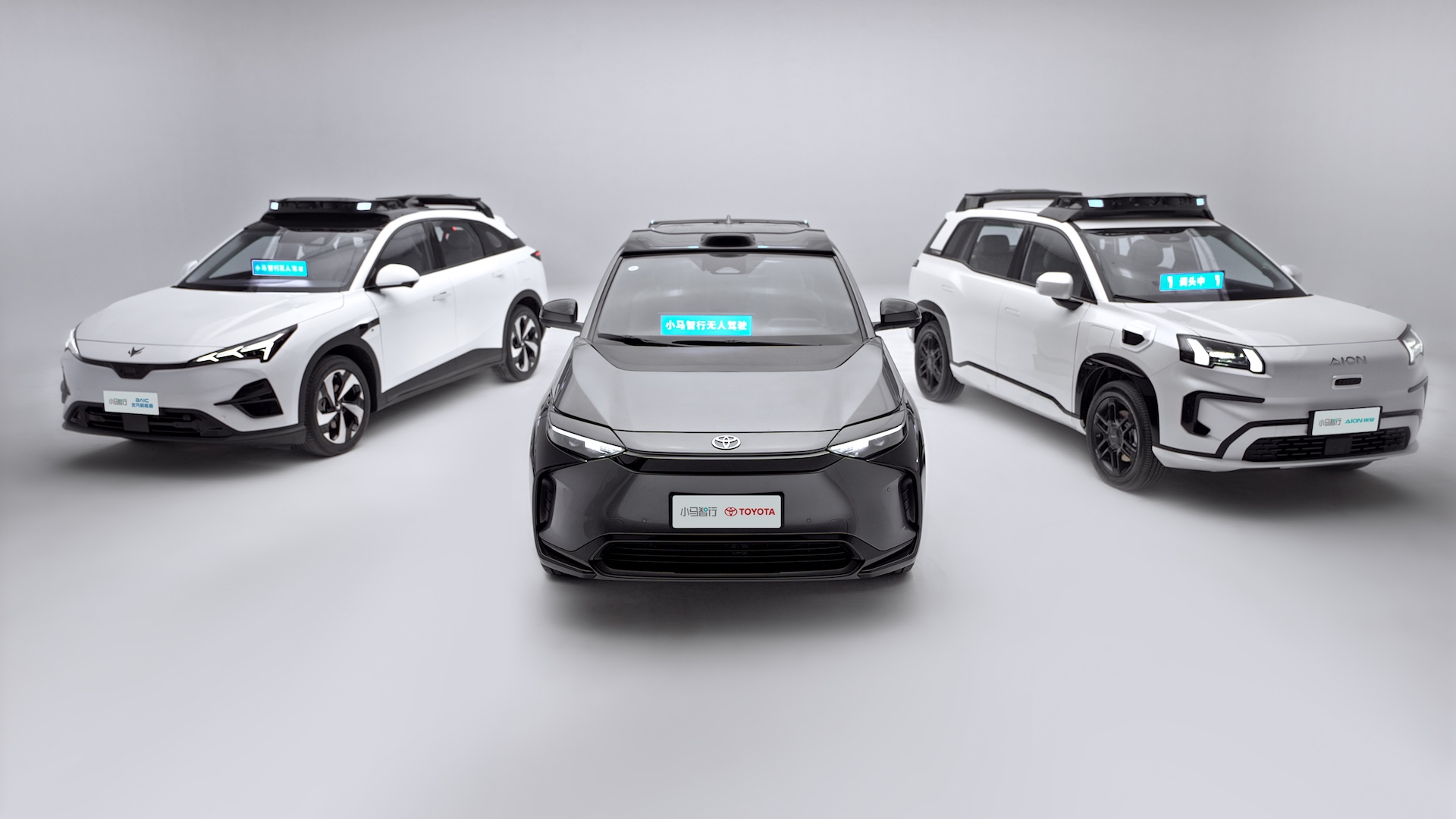
Pony.AI unveiled its seventh-generation autonomous driving system at the Shanghai International Automobile Industry Exhibition, along with a new lineup of Robotaxis developed in partnership with Toyota, BAIC, and GAC. The announcement signals the company’s readiness to begin scaled production of its autonomous vehicles by mid-2025.
The latest iteration of Pony.AI’s technology features a fully automotive-grade autonomous driving kit (ADK) designed for increased safety and extended product lifecycle.
See also: Pony.AI Receives Permit to Test Level 4 Robotaxis in Luxembourg, Opens European Hub
A major cost breakthrough was also revealed, with the company achieving a 70 percent reduction in bill-of-materials costs, including an 80 percent cut in autonomous driving computation and a 68 percent drop in solid-state LiDAR expenses. The system’s modular architecture enables seamless integration across various vehicle types, supporting both Robotaxis and future Robotruck deployments.
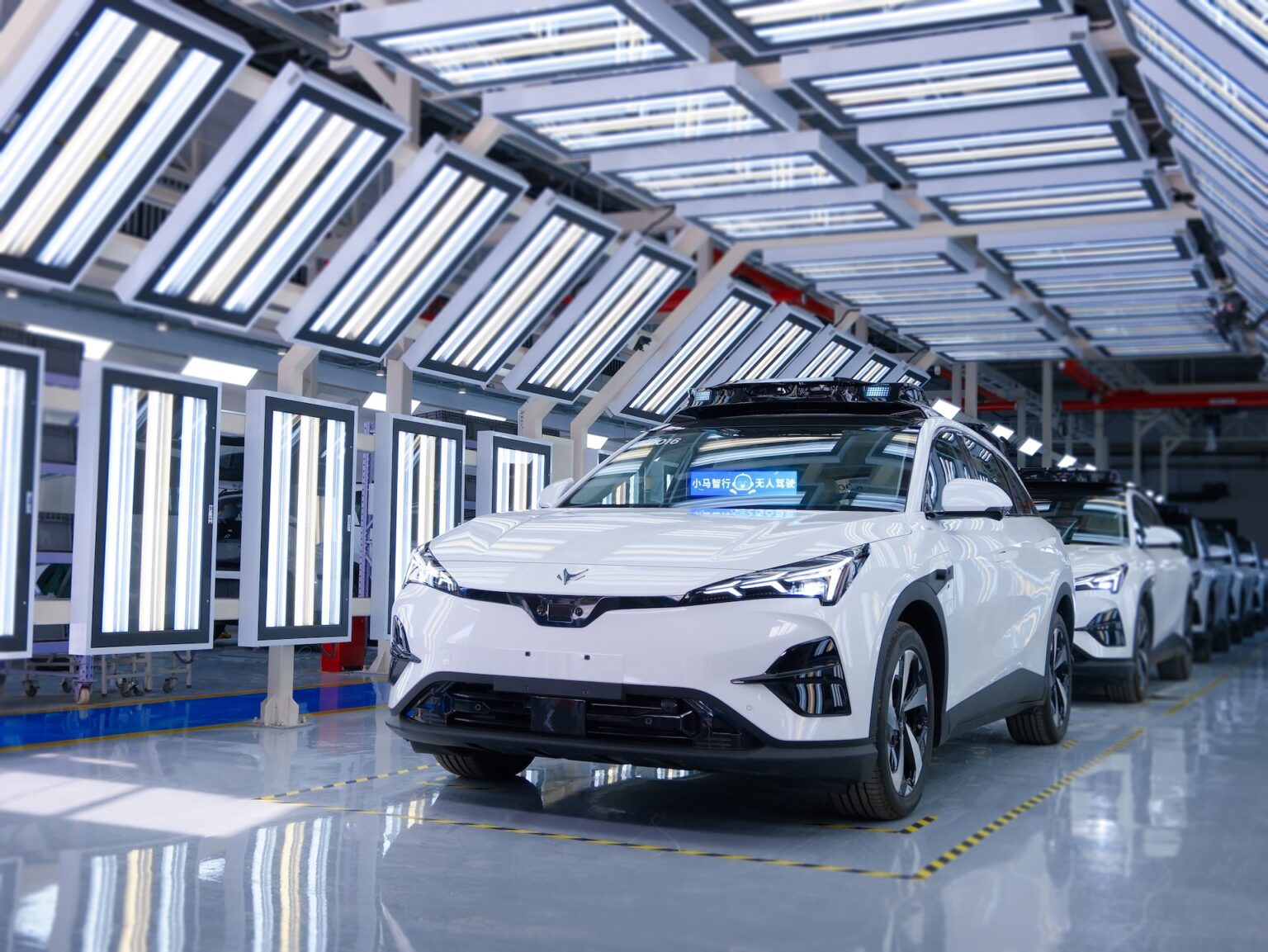
“2025 marks the inaugural year of Pony.AI’s mass-produced Robotaxis. Achieving scaled production relies on advancing technology readiness, enforcing product integration, and refining operational capabilities,” said Dr. James Peng, Co-founder and CEO of Pony.AI. Chief Technology Officer Dr. Tiancheng Lou added, “Our proprietary PonyWorld technology generates realistic scenarios and simulations, pushing autonomous decision-making beyond human capability.”
See also: Pony.AI Launches Paid Driverless Robotaxi Service in Shenzhen’s Nanshan District
The company showcased three Robotaxi models at the exhibition: the Toyota bZ4X Robotaxi, the BAIC ARCFOX Alpha T5, and the second-generation GAC Aion V, all of which are equipped with Pony.AI’s latest autonomous systems. These vehicles reflect Pony.AI’s collaborative approach with major automotive manufacturers to accelerate the commercialization of self-driving technology.
Pony.AI currently operates across China, Europe, East Asia, and the Middle East, and plans to extend its global reach as it transitions from pilot programs to commercial deployment in the autonomous mobility space.