



New electric car registrations in Norway fell sharply in January following a year-end surge driven by tax changes, but battery-electric vehicles (BEVs) continued to dominate the market, accounting for 94% of new passenger car registrations, industry data showed.
According to the Norwegian Road Traffic Information Council (OFV), just 2,218 new passenger cars were registered across all powertrains in January, a decline of 76.7% from the same month a year earlier. Of those, 2,084 were battery-electric vehicles, down in absolute terms but maintaining a near-record market share.
See also: Lucid Air Grand Touring Tops Norway Winter EV Test With 520-Km Run in Record Cold
The steep decline followed an unusually strong finish to 2025, when registrations surged ahead of new value-added tax rules that took effect at the start of the year. More than 35,000 new cars were registered in December alone, far above Norway’s typical monthly range of 10,000 to 15,000 vehicles.

“Tax changes just before the turn of the year create artificial sales peaks and sharp declines, resulting in an unnecessary stop-and-go market,” OFV said in a statement. “The January figures are therefore not a sign that demand has stalled, but rather a result of the extraordinary final spurt before the New Year.”
OFV Director Geir Inge Stokke said registrations are expected to recover as the market normalises.
Despite the distorted sales pattern, electric vehicles continued to outperform all other powertrains by a wide margin. Diesel cars ranked second in January with 98 registrations, representing a 4.4% share. Petrol-only vehicles and all hybrid variants each accounted for less than 1% of the market. OFV noted that the seven petrol-only cars registered marked the lowest figure ever recorded.
See also: Norway’s Fast-Charging Expansion Slows Despite Record Network Size
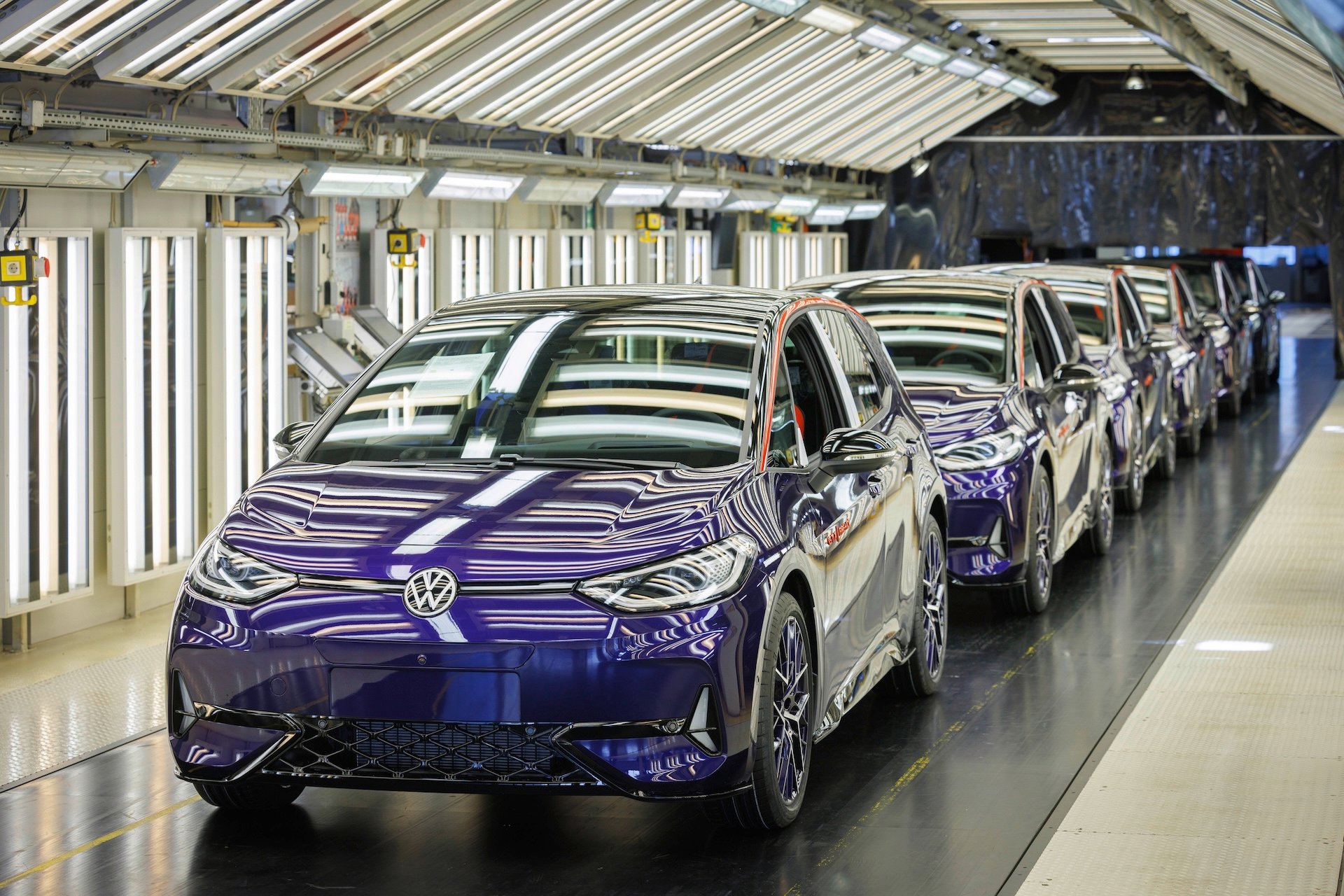
The most-registered BEV in January was the Volkswagen ID.3, with 299 units. It was followed by the Toyota bZ4X at 184 units, while the new Toyota Urban Cruiser recorded 98 registrations.
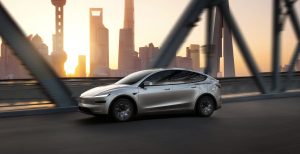
Other models in the top rankings included the Skoda Elroq (78), Changan Deepal S05 (75), Volkswagen ID.4 (69), and the Tesla Model Y (62). The Mercedes-Benz eVito also entered the top ten with 62 registrations, alongside smaller models such as the Nissan Micra (58) and Hyundai Inster (57).
Norway remains the world’s most advanced electric vehicle market, and the January figures highlight how fiscal policy timing can strongly influence short-term registration trends without altering the underlying shift toward full electrification.


