


The pace of fast-charging expansion in Norway slowed last year even as the country reached a record number of public charging points, reflecting a maturing market in one of the world’s most advanced electric vehicle ecosystems.
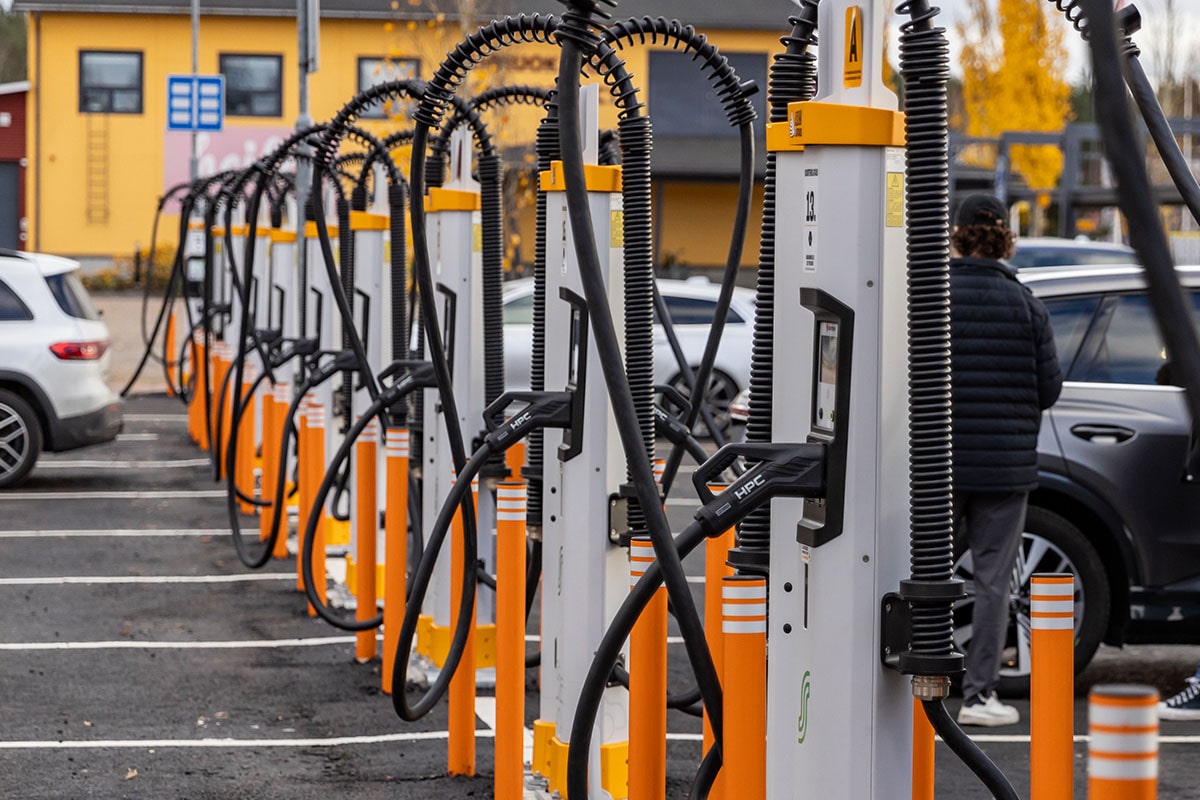
The number of fast-charging points rose by 1,192 to 10,670 in 2025, according to figures from the Norwegian Electric Vehicle Association. While the total represents a new high, the increase was well below the 2,029 chargers added in 2023, the peak year for expansion.
The association said the milestone had already delivered tangible benefits for drivers. “This is a milestone,” said Christina Bu, noting that Norway surpassed the government’s target of 10,000 fast chargers last summer. “We are now seeing shorter queues at charging stations, and charging has become less daunting for electric vehicle drivers than before,” she said. The number of fast chargers suitable for electric trucks also rose by 57, bringing the total to 254.
On average, there is now one fast-charging point for every 85 electric cars registered in Norway, down from one per 100 vehicles a year earlier. Bu said the historically low ratio helps explain why queues have eased — and why charging providers may be slowing the pace of new installations.
Survey data supports that trend. According to the Elbilisten 2025 survey, 42% of EV drivers reported encountering queues at fast-charging stations over the past year, down 22 percentage points from 2019, when more than 110 electric cars shared a single fast charger. Drivers also reported spending less time waiting when queues did occur.
Norway remains a global leader in electric mobility. Battery-electric vehicles accounted for 95.9% of all newly registered passenger cars last year, up sharply from 88.9% in 2024, underscoring how widespread EV adoption is reshaping infrastructure needs as the market moves from rapid build-out to optimisation.