




A Swedish analysis of nearly 10,000 electric vehicle (EV) battery health tests has found that most modern EVs retain more than 90% of their original battery capacity after 100,000 kilometers (62,000 miles), providing fresh evidence of long-term battery durability.
The study, conducted by Swedish used EV retailer Carla using diagnostic technology from Austrian battery testing company AVILOO, evaluated 9,954 battery health tests performed between 2022 and 2026 on used electric vehicles sold in Sweden.
EU Public EV Charging Network Outpaces Battery-Electric Vehicle Growth, T&E Says
Korean Models Lead Battery Performance
The analysis found that several popular EV models retained more than 95% of their original battery capacity after 100,000 kilometers.
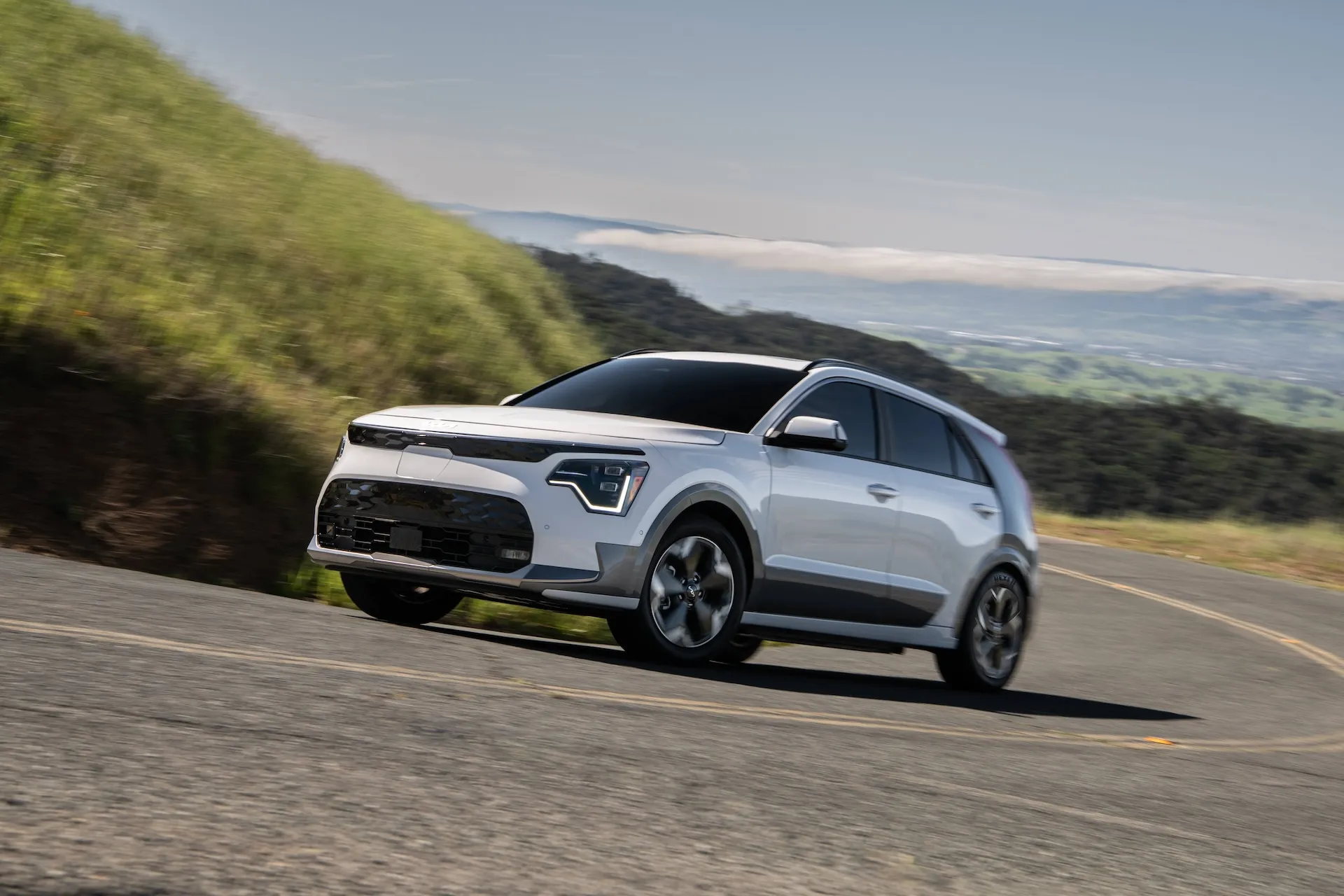
The Kia e-Niro equipped with a 64-kWh battery ranked first, recording an average battery health score of 97.25%, indicating battery degradation of less than 3%.
The Hyundai Kona Electric with a 64-kWh battery followed closely at 97.18%, while the Kia EV6 fitted with a 77.4-kWh battery placed third with a battery health score of 95.95%.
Study: Comparable EV Prices Dropped 18% as Electric Model Choices Quadrupled in Germany
Other top-performing models included the Volvo XC40 Recharge with a 69-kWh CATL battery at 94.70%, the Polestar 2 with a 78-kWh CATL battery at 94.35%, and the BMW i3 equipped with a 120 Ah battery at 93.77%.
Tesla’s highest-ranked vehicle was the Model 3 fitted with a 60.5-kWh CATL lithium iron phosphate (LFP) battery, which retained 93.34% of its original capacity. Other Tesla models, including the Model S, Model X and Model Y, also appeared among the top-performing vehicles.
Audi’s e-tron 50 and e-tron 55, Volkswagen’s ID.4 and ID.3, and the Skoda Enyaq iV also ranked within the study’s top 20.
Battery Chemistry Matters
The study found that battery chemistry and cell supplier significantly influence long-term battery performance, even within the same vehicle model.
Study Finds Electric Vehicle Transition Could Save Far More Lives Than It Risks
Among Tesla Model 3 variants, vehicles equipped with CATL LFP batteries retained an average of 93.3% of their original capacity after 100,000 kilometers.
Comparable models using LG Chem battery cells averaged 91.5%, while versions fitted with Panasonic batteries recorded average battery health scores of 89.8% and 88.2%, depending on battery size.
According to Carla, factors including charging habits, climate and driving conditions also affect battery aging, meaning identical vehicles can experience different rates of capacity loss over time.
The study concluded that modern EV batteries generally degrade gradually rather than experiencing rapid declines in capacity. Even the lowest-ranked vehicle among the top 20, the Volkswagen ID.3, retained 91.79% of its original battery capacity after 100,000 kilometers.
BloombergNEF Forecasts 23 Million EV Sales in 2026 as Global Growth Continues
Carla said battery health testing can provide used EV buyers with valuable information alongside vehicle age, mileage and service history, with the findings suggesting that today’s electric vehicles are capable of maintaining strong battery performance over many years of operation.