
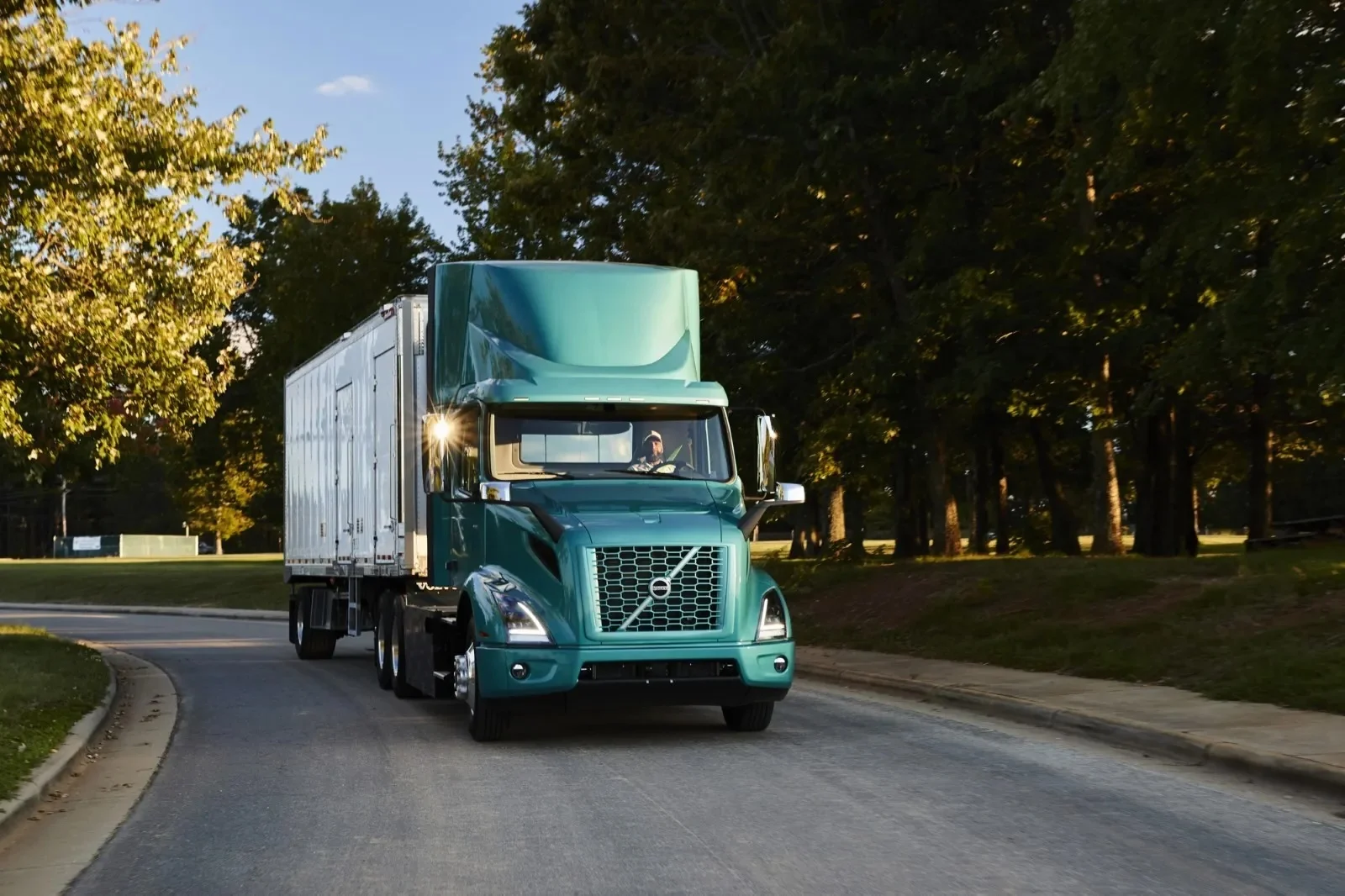
Governments in Canada, the United States and Mexico have launched an initiative to develop a zero-emission truck corridor along the North American West Coast. The British Columbia to Baja California ZEV Corridor, known as BC2BC, will connect Vancouver in Canada with Baja California in Mexico through Washington, Oregon and California.
The 2,222-kilometre corridor will follow the I-5 highway and include charging and hydrogen refuelling infrastructure for zero-emission heavy-duty vehicles. The initial development is planned to include 20 electric truck charging stations and three hydrogen stations.
Connecting Major Freight Routes
The BC2BC corridor is intended to support zero-emission freight operations between major ports and logistics centres across the three countries. According to the project partners, nearly 10,000 trucks travel the route on an average day.
APM Terminals Orders 96 Electric Yard Trucks and 34 E-RTGs for New Jersey Terminal
The participating governments will coordinate technical standards, infrastructure planning and other requirements to ensure zero-emission trucks can use charging and refuelling facilities across borders.
The corridor connects Vancouver with major freight hubs in Washington, Oregon and California before reaching Baja California in Mexico. The partners say the initiative will provide fleets with greater confidence to plan long-distance routes and invest in zero-emission vehicles.
“With global fuel prices driving up the cost of moving goods, partnerships like this are more critical than ever to strengthen our economies and advance Governor Newsom’s zero-emission transportation goals,” said California Transportation Secretary Toks Omishakin.
Megawatt Charging And Hydrogen Infrastructure
Electric truck charging will form a major part of the planned corridor, with megawatt-scale charging infrastructure intended to support the high energy demands of heavy-duty freight vehicles.
Global Electric Truck And Bus Sales Nearly Double to More Than 500,000 in 2025
Hydrogen refuelling stations will provide an alternative zero-emission option for trucks operating along the route. The combination of battery-electric and hydrogen infrastructure is intended to accommodate different vehicle technologies and operating requirements.
“Freight corridors are where electrification can deliver real operational value at scale,” said Aravind Kailas, advanced technology policy director at Volvo Group North America.
“By aligning charging infrastructure, technical standards, and planning across jurisdictions, the BC2BC initiative can give fleets greater confidence to plan routes, maintain uptime, and make long-term investment decisions,” he added.
Industry Participation
The initiative was launched at the Port of Long Beach with representatives from the participating governments and companies including Volvo Group North America, Southern California Edison, Tesla, EV Realty and King Fio Trucking.
EU Electric Truck Registrations Jump 47.7% as Battery-Electric Buses Near 30% Market Share
Zero-emission trucks from IMC Logistics, Volvo, Tesla and ZM Trucks were also displayed at the launch.
The participating jurisdictions will hold technical meetings to coordinate standards, guidance and infrastructure planning as the corridor develops.
Expansion Of West Coast Freight Electrification
The BC2BC initiative builds on efforts already underway in California and the wider US to establish zero-emission freight corridors. California has been developing charging and refuelling infrastructure along key freight routes since 2024.
The new initiative extends that work across international borders, creating a coordinated framework covering western Canada, the US Pacific states and northern Mexico.
U.S. House Committee Advances Bill Creating Federal Framework for Autonomous Trucks
The partners also plan to incorporate the initiative into the next edition of Caltrans’ California-Baja California Border Master Plan, including provisions for zero-emission vehicles and supporting infrastructure.
Part Of Global Green Road Corridors
The BC2BC corridor forms part of the broader Global Green Road Corridors initiative, which aims to develop lower-emission freight routes connecting ports, logistics hubs and cities.
Similar corridor projects are being developed across Africa, Europe, the Americas and Asia as governments and industry seek to reduce emissions from long-distance freight while limiting exposure to volatile fossil-fuel prices.
The North American corridor is expected to provide a framework for coordinating infrastructure and vehicle requirements across multiple jurisdictions, supporting the gradual transition of long-haul freight to zero-emission technologies.