





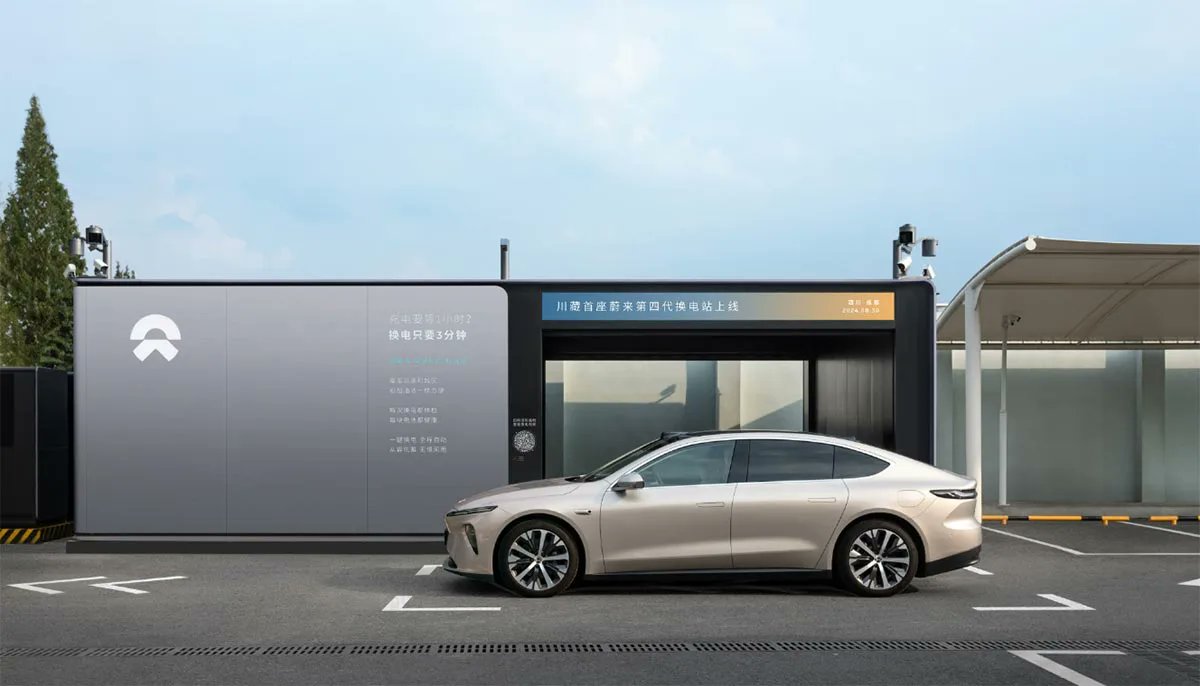
Chinese electric vehicle maker Nio said its customers performed a record 175,976 battery swaps in a single day across its nationwide network, underscoring the scalability of the company’s alternative to conventional fast charging.
The milestone, achieved during the peak return travel period of the Lunar New Year holiday, surpassed a previous record set just days earlier of 165,898 swaps. The holiday season represents the busiest annual travel period in China, placing heavy demand on transportation and energy infrastructure.
At the peak rate, the figure equates to nearly two battery swaps per second across the network over a 24-hour period. The surge reflects millions of drivers returning to major cities after visiting family, creating conditions similar to a nationwide stress test for electric mobility systems.

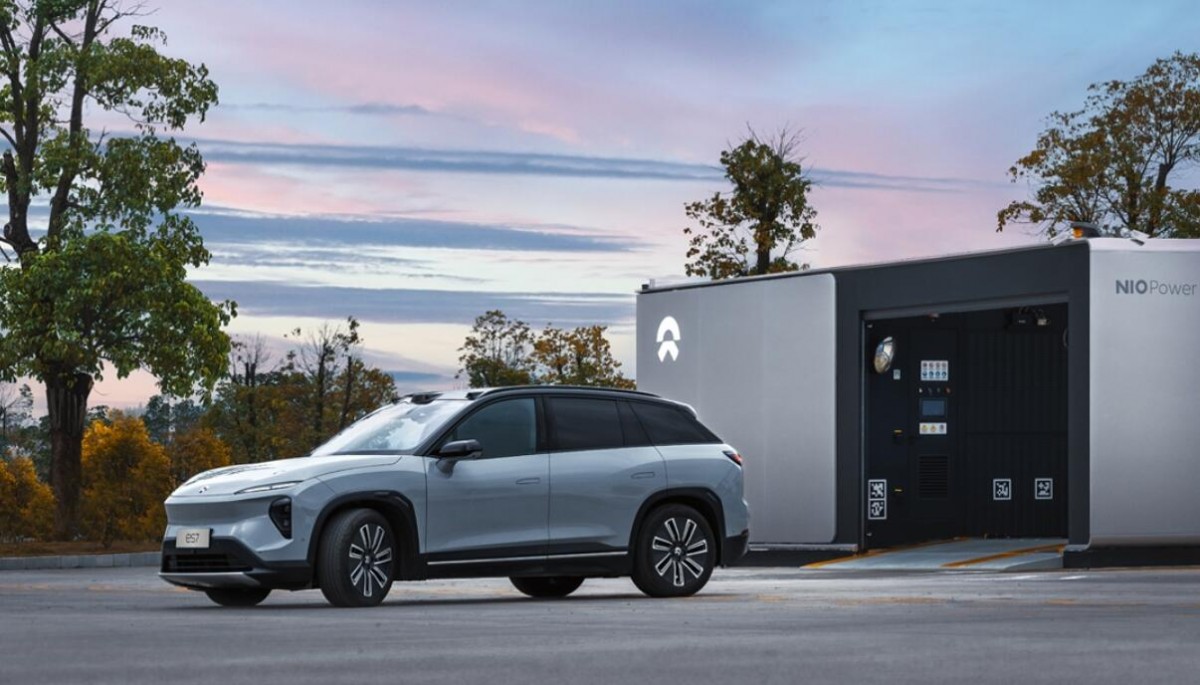
Nio’s battery-swap stations allow drivers to exchange depleted battery packs for fully charged ones in roughly three to five minutes, a process designed to rival the refueling time of conventional gasoline vehicles. The system also eliminates the need to handle charging cables and reduces waiting times compared with high-power charging during peak travel periods.
The company has promoted swapping as a complementary approach to charging, particularly for long-distance travel where rapid turnaround times are critical. Supporters argue the technology offers consistent performance regardless of weather and avoids concerns about battery degradation or charging availability.

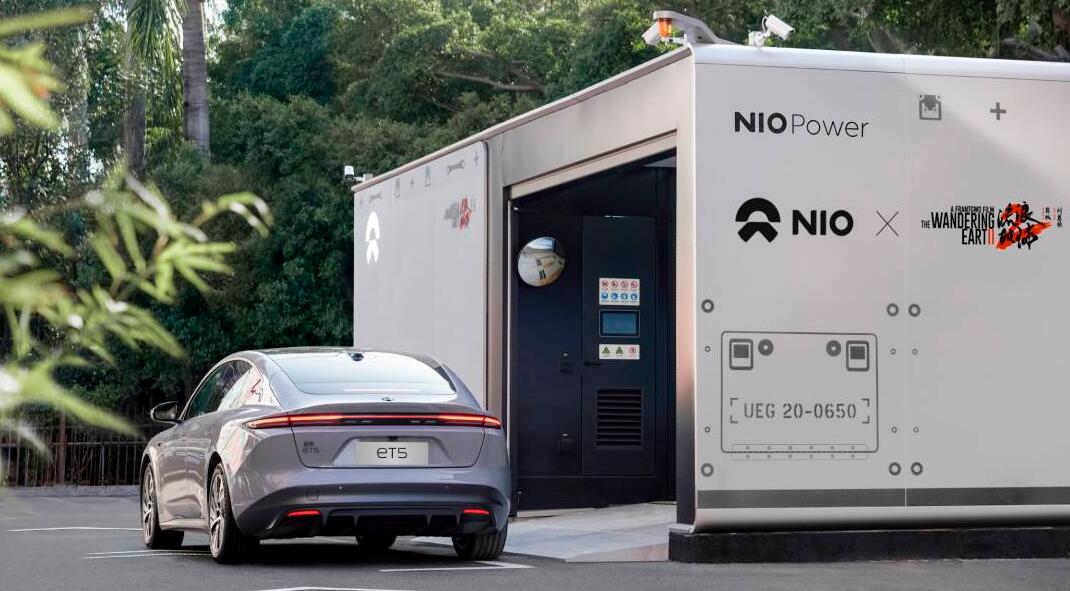
The record day suggests that, at sufficient scale, battery swapping can support mass mobility demand. China remains the largest market for the technology, aided by dense infrastructure deployment and strong government support for electric vehicles.
Nio operates thousands of swap stations across China and has begun expanding the concept to select overseas markets, positioning battery swapping as a distinctive feature of its ecosystem.


