
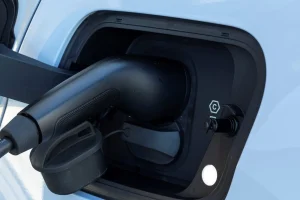




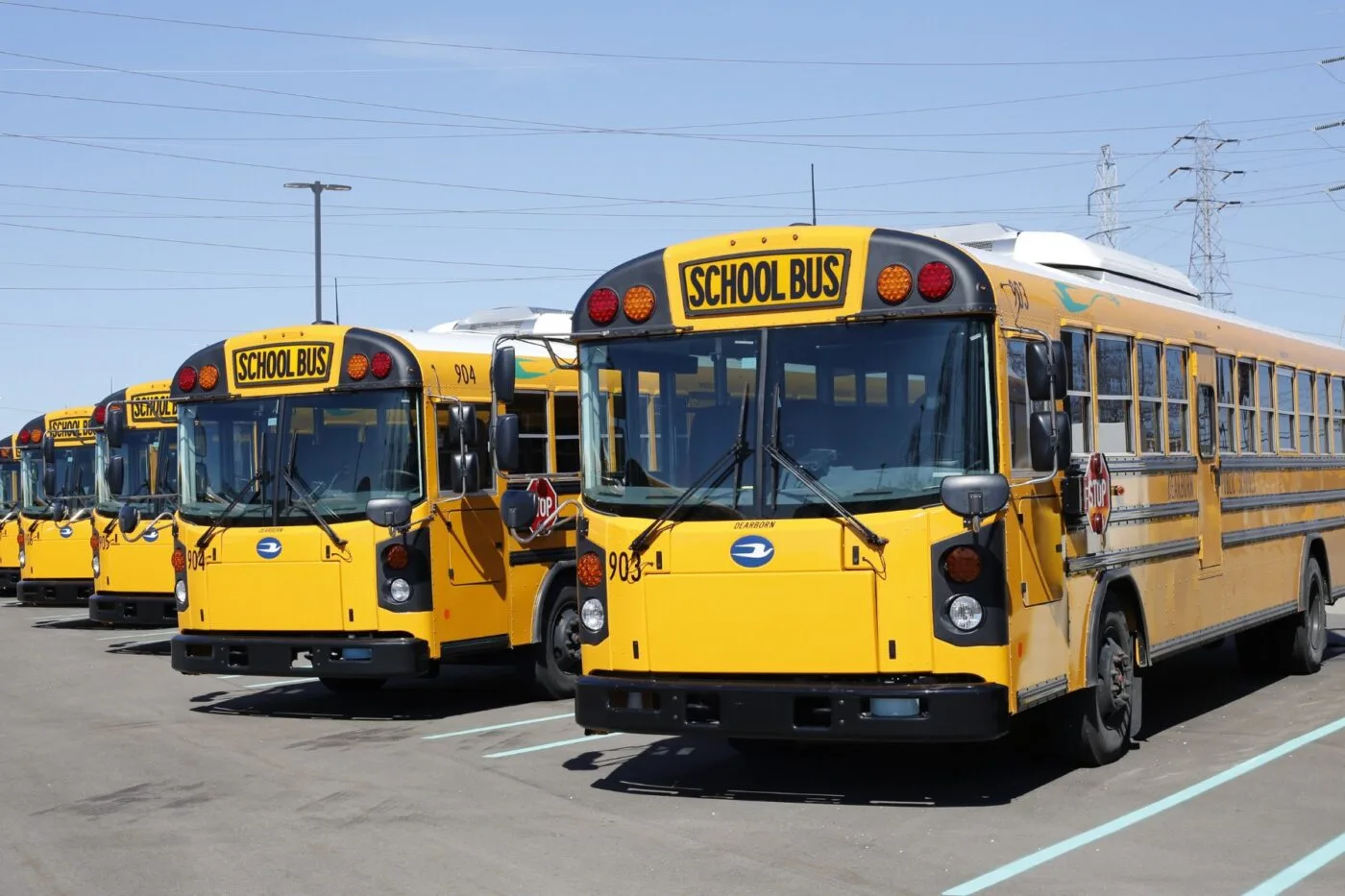
Michigan is continuing to accelerate its transition to cleaner student transportation, with 23 schools and districts set to receive $35.9 million from the Michigan Department of Education’s (MDE) Clean Bus Energy Grant (CBEG) program. The third round of funding will support the purchase of 87 electric and 10 propane-powered school buses, along with necessary charging and fueling infrastructure.
Among the largest recipients, Ann Arbor Public Schools will receive $4.09 million for 10 electric buses, Lansing Public Schools will get $4.31 million for another 10, and Van Buren Public Schools will receive $4.08 million for eight. Smaller districts such as Standish-Sterling Community Schools and Riverview Community School District are also included, each obtaining support for a single propane bus and related infrastructure upgrades.
See also: Michigan Court Revives Lawsuit Over Ford’s BlueOval Battery Park Project
The latest awards build on a multi-year effort by state and federal agencies to replace older diesel vehicles with low- and zero-emission alternatives. Between 2019 and 2020, Michigan’s Department of Environment, Great Lakes, and Energy (EGLE) invested around $13 million through its Fuel Transformation Program to support the purchase of 317 electric, clean diesel, and propane buses. In 2022, the U.S. Environmental Protection Agency (EPA) contributed $54 million under its Clean School Bus Program, financing 138 new electric buses across 25 districts. Additional rounds of CBEG and CSBP funding in 2024 provided nearly $70 million more, adding over 250 clean-fueled buses to the state’s growing fleet.
These combined efforts now bring Michigan’s total clean-powered school bus count to nearly 900, many already operational or awaiting delivery. A fourth and final CBEG funding round is currently open, offering $44 million in grants for zero-emission buses and charging infrastructure. Applications are due by December 18.
See also: ADASTEC Launches Automated Electric Bus at Michigan State University
“The commitment by state and federal governments to provide schools with more environmentally friendly buses is good for our children, good for our schools, and good for our communities,” said EGLE Director Phil Roos. “Under Governor Whitmer’s leadership, we are investing in clean-powered school buses, improving air quality, freeing up schools to invest in the classroom, and advancing the goals of the MI Healthy Climate Plan.”
Advocacy groups are also assisting districts with the transition. “This is a win for schools, kids, drivers, mechanics, and the surrounding community,” said Kindra Weid, coordinator of the Michigan electric school bus coalition It’s Electric!. “We have enjoyed supporting school districts as they receive funds to move from older, dirtier diesel buses to cleaner, quieter models.”
See also: DEKRA Opens Comprehensive EV Component Test Centre in Michigan
Katrina Morris, executive director of the Michigan Association of Pupil Transportation, emphasized the safety and health benefits of the initiative. “I want all kids to have a safe ride to and from school, so cleaner air for the kids, drivers, and the greater community is a victory,” she said. “We are grateful for MDE and EGLE for supporting this transition to cleaner school buses.”


