

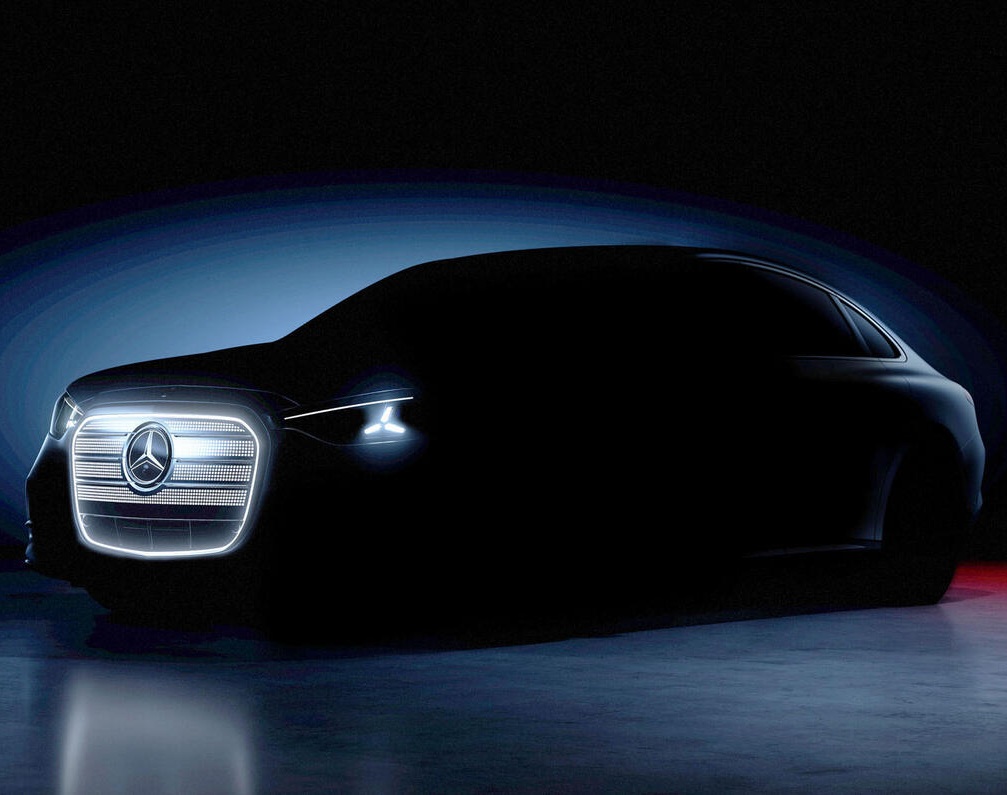
Mercedes-Benz is preparing to launch an all-electric version of its C-Class in 2026, the German automaker said, as it accelerates its transition to a fully electric lineup. The new model, which will be built on the proprietary MB.EA platform, will feature a driving range of about 497 miles (800 km) on a single charge and ultra-fast 400 kW charging enabled by an 800V system.
The C-Class EQ, first unveiled at the Munich Motor Show, will mark the second Mercedes model to feature the company’s “Iconic Grille” design, following the GLC EQ. The grille differentiates the brand’s electric vehicles from their combustion-engine counterparts, with each model carrying its own unique interpretation.
Mercedes said the electric C-Class has been engineered with a longer wheelbase and wider tracks than the petrol version, a design shift that allows for more cabin space, sharper handling and improved driving stability. The boot has been enlarged, while passenger comfort is also enhanced with increased rear legroom and headroom — areas where EV versions have previously faced criticism.
The sedan will be offered in two variants: a single-motor rear-wheel-drive model with output of up to 335 bhp, and a dual-motor 4Matic all-wheel-drive version capable of producing up to 482 bhp. Both models will be powered by a 94.5 kWh NMC battery.
The longer range and charging capabilities are intended to position the C-Class EQ as a direct competitor to BMW’s i3 electric sedan, while appealing to customers seeking premium EVs with both long-distance capability and everyday practicality.
Looking ahead, Mercedes is also developing a high-performance AMG variant, which is slated to arrive in 2027. Powered by axial flux motors supplied by UK-based Yasa, the AMG model is expected to deliver more than 680 bhp, bringing supercar-level performance to the C-Class lineup.
The addition of this variant underscores Mercedes-Benz’s strategy to expand its electric offerings across different customer segments, from luxury sedans to high-performance vehicles, while leveraging its proprietary platforms to enhance efficiency, range and driving experience.
Source: Autocar