
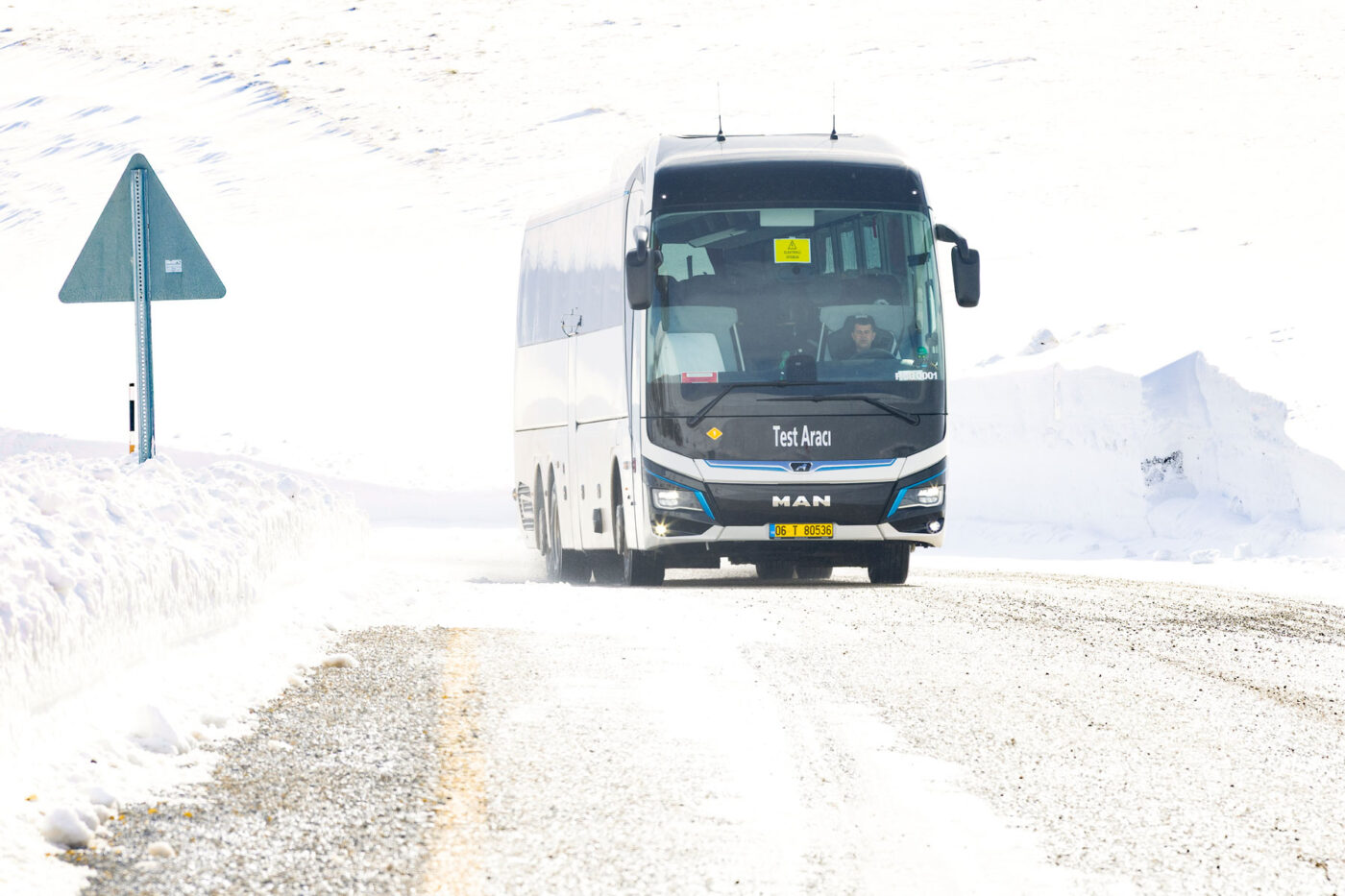
MAN Truck & Bus has carried out winter testing of its upcoming battery-electric coach, the Lion’s Coach E, in northern Sweden and eastern Turkey, exposing the vehicles to temperatures as low as minus 30 degrees Celsius as part of final endurance trials ahead of series production.
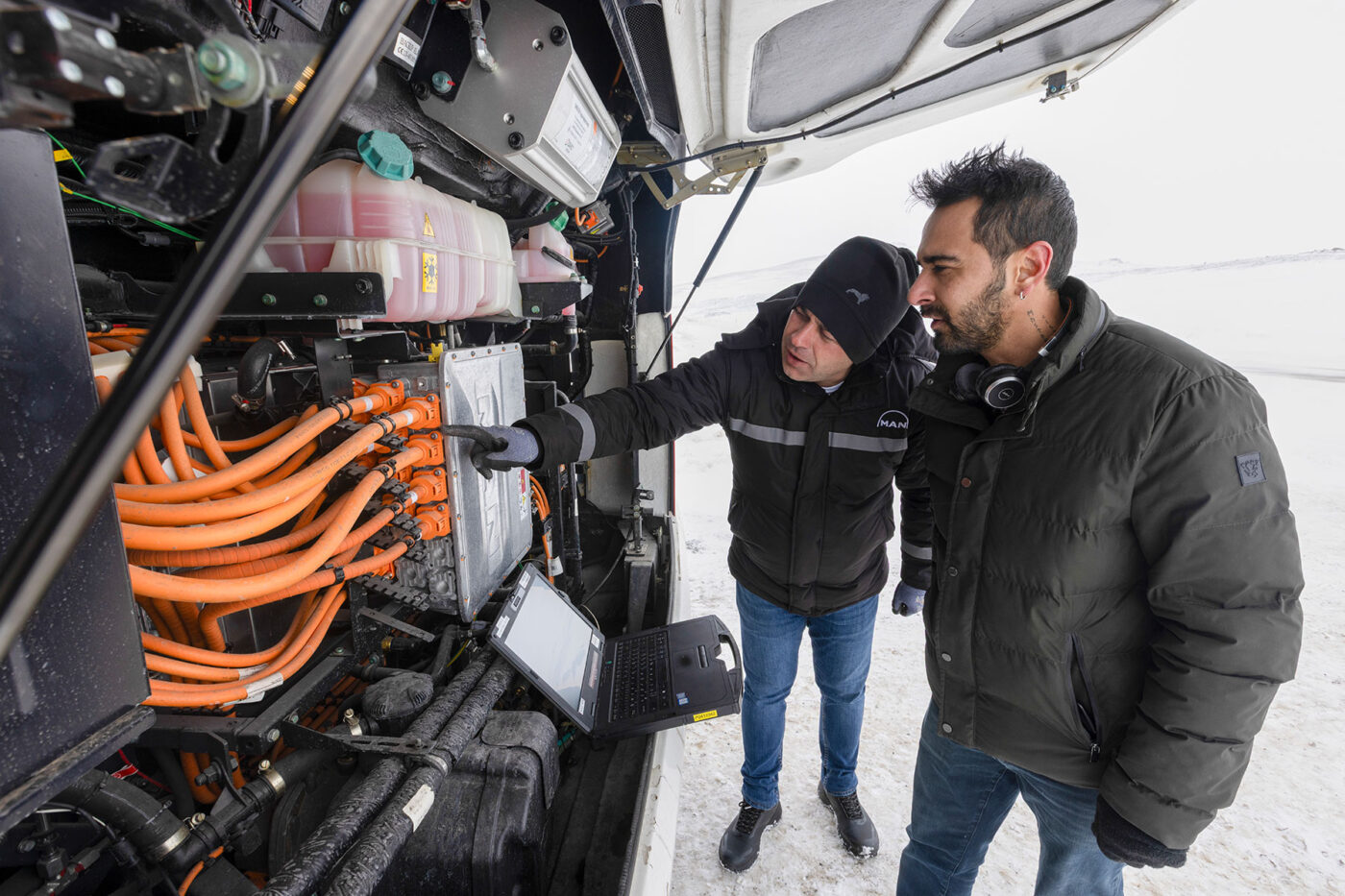
Four prototypes of the electric coach completed thousands of kilometres of testing near the Arctic Circle and in Erzurum, Turkey, regions known for harsh winter climates. According to the Munich-based manufacturer, the trials evaluated the performance of the high-voltage battery system, energy management including preconditioning, charging capability, drivetrain reliability and the bus’s interior thermal management.
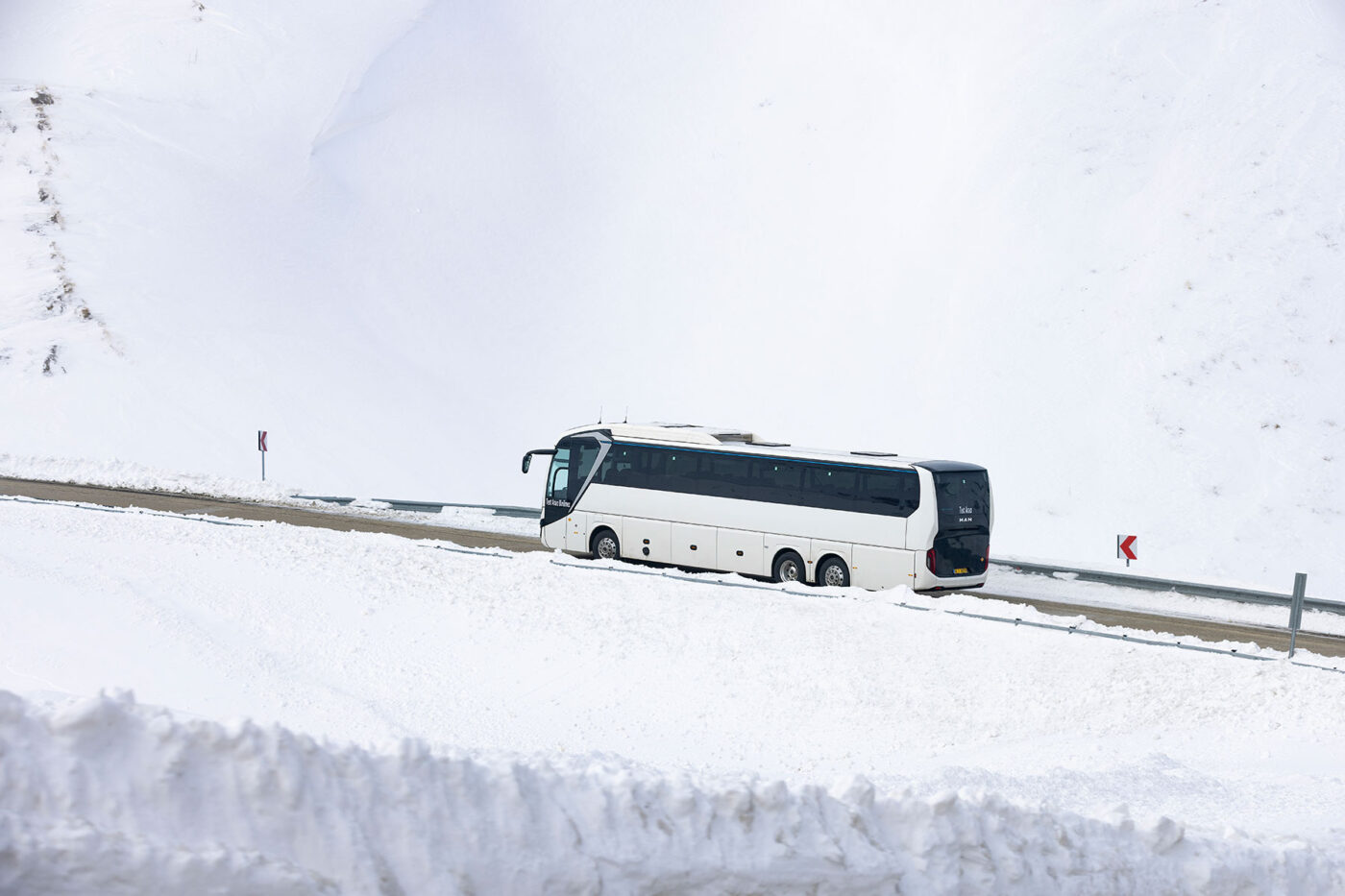
“But even in these freezing temperatures, the Lion’s Coach E fully met our expectations. All components and systems functioned reliably despite the cold,” said Barbaros Oktay, head of bus at MAN Truck & Bus.
The winter tests marked the first such evaluation for the electric coach and form part of a long-running testing program conducted by the company in northern Sweden for more than three decades. Engineers used hundreds of sensors during the trials to track temperatures, pressure values and energy flows, allowing developers to analyse the interaction between systems and refine the vehicle’s performance.
“The combination of double-digit sub-zero temperatures, snow, and ice provides the ideal conditions for putting vehicles through their paces in the overall system,” said Roland Scharl, head of engineering bus at MAN Truck & Bus.
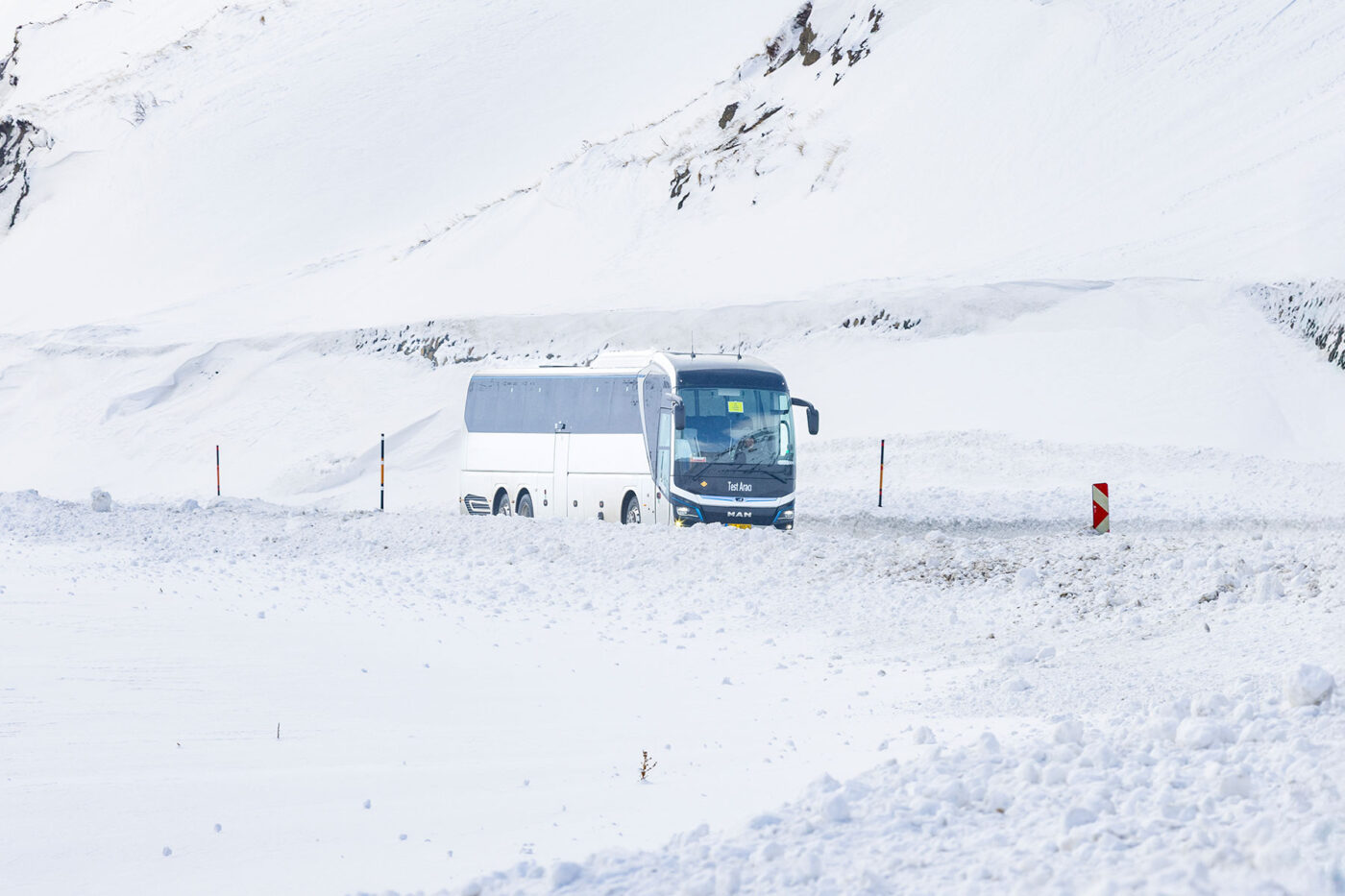
The Lion’s Coach E made its global debut at the Busworld exhibition in Brussels in late 2025. The initial production version, called the Lion’s Coach 14 E, is a 13.9-metre three-axle model designed to carry up to 63 passengers and offer a driving range of up to 650 kilometres on a single charge.
The vehicle uses between four and six battery packs with gross energy capacity ranging from 356 kWh to 534 kWh. These packs are based on the same 89 kWh modules used in MAN’s electric truck platform and can be charged using CCS fast-charging at up to 375 kW. Future compatibility with the Megawatt Charging System (MCS) could allow charging speeds of up to 750 kW.
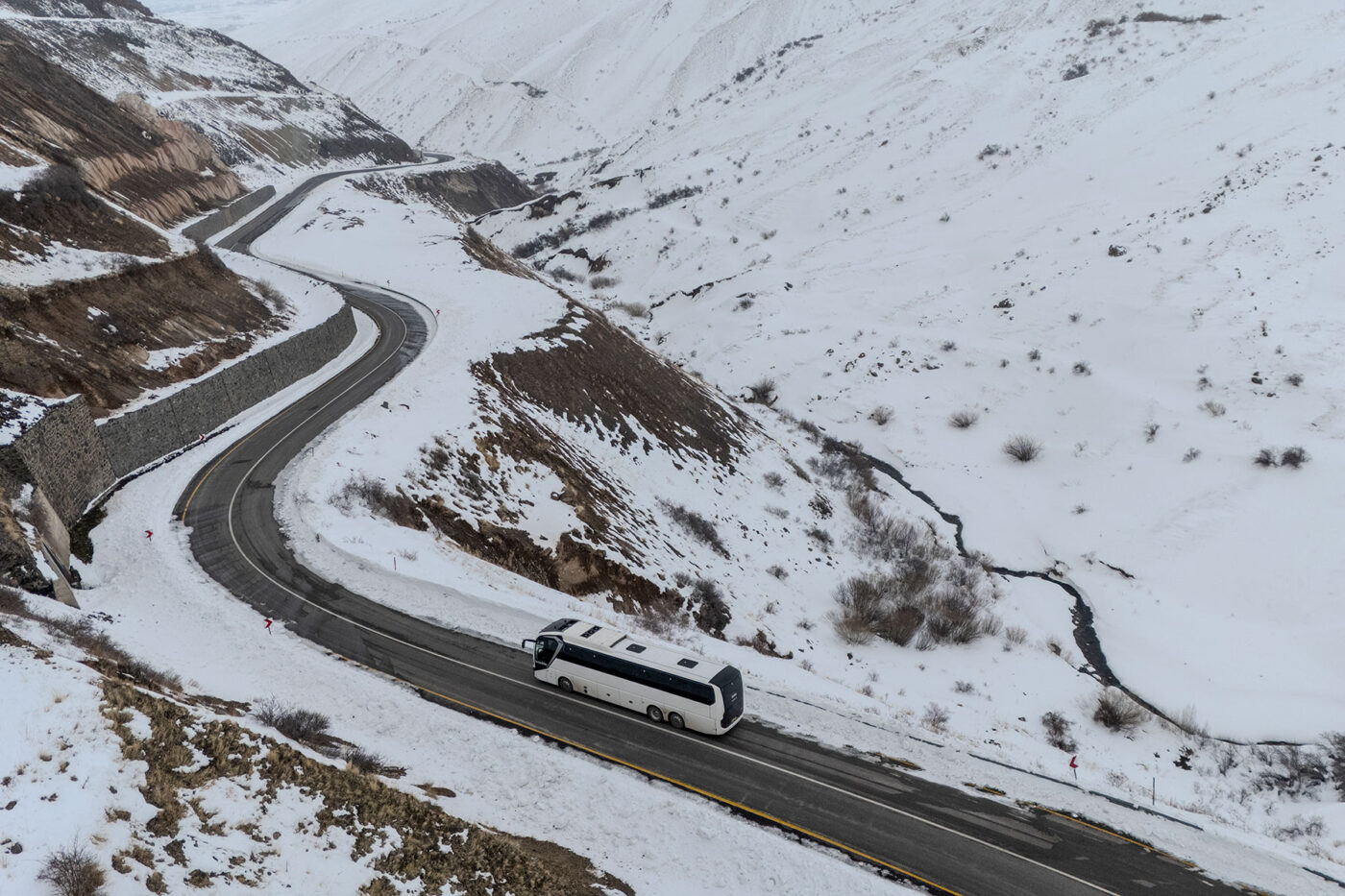
The coach also adopts MAN’s eCD330 synchronous electric motor with an output of 330 kW. According to the manufacturer, aerodynamic optimisation through its “Smart Flow Design” reduces the drag coefficient to 0.31, helping extend the driving range.
Production of the electric coach is scheduled to begin in Ankara later this year, with the first vehicles expected to be delivered to selected customers before the end of the year. Initially, MAN sees the vehicle being used primarily for short- and medium-distance services such as shuttle operations, corporate transport and city tours, while long-distance coach routes are expected to continue relying on diesel power in the near term.
One early user will be German football club FC Bayern, which plans to operate the electric coach as a team bus starting in the 2025/26 season. The vehicle will charge at a commercial charging park planned for the Allianz Arena in Munich.
“Our electric coach marks the beginning of a new era of emission-free and low-noise travel that many customers have been waiting for,” Oktay said.
MAN said the launch will help it electrify all three bus segments—city, intercity and coach travel—as governments across Europe push for significant reductions in transport emissions over the coming decades.