




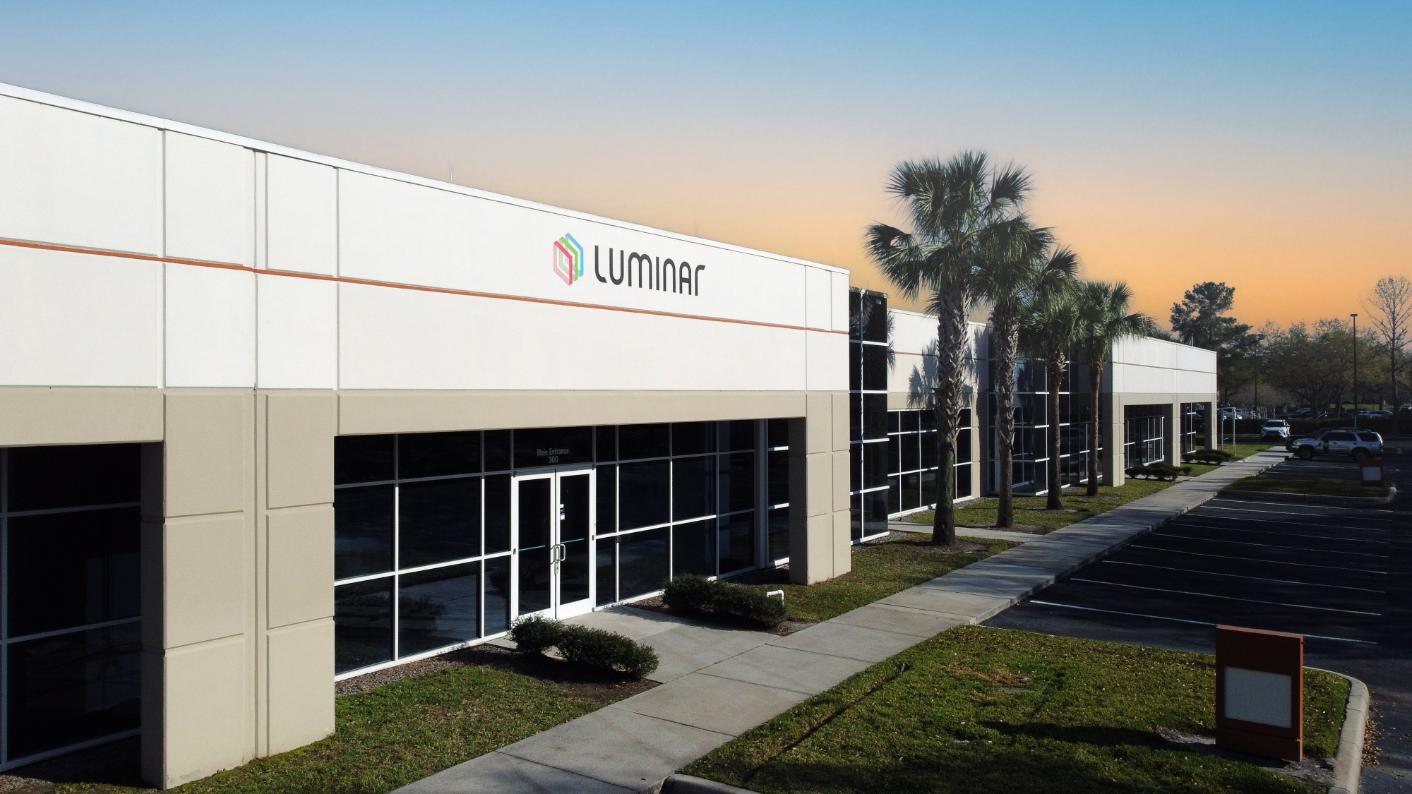
Luminar Technologies, a U.S. lidar maker, has filed for Chapter 11 bankruptcy protection, saying it plans to sell its core lidar business after a year marked by layoffs, executive departures and a legal dispute with its largest customer, Volvo.
The bankruptcy filing, made on Monday in the Southern District of Texas, follows months of financial strain at the company, which was valued at more than $3 billion when it went public via a reverse merger in 2020.
Luminar said it will continue operating during the court-supervised process to limit disruption to customers and suppliers, but expects to cease operating as an independent company once asset sales are completed. The company has already reached an agreement to sell its semiconductor subsidiary.
“After a comprehensive review of our alternatives, the board determined that a court-supervised sale process is the best path forward,” Chief Executive Paul Ricci said in a statement. He added that Luminar’s priority during the process would be maintaining service quality for customers.
The filing comes after Luminar cut about 25% of its workforce, its second round of layoffs this year, and saw the departure of its chief financial officer. The company also defaulted on several loans and disclosed that the U.S. Securities and Exchange Commission had opened an investigation.
Founder Austin Russell resigned as chief executive in May following an internal ethics inquiry, though he remained on Luminar’s board. In October, Russell launched Russell AI Labs and made an offer to acquire Luminar. A spokesperson for Russell AI Labs said the group still intends to bid for the company’s assets during the bankruptcy process.
Another major setback came in November, when Volvo, an early investor and Luminar’s largest customer entering 2025, terminated a long-term supply contract. Luminar said it has taken legal action over the contract’s cancellation, while also facing a claim from the contract manufacturer that produced its lidar sensors.
According to court filings, Luminar listed $100 million to $500 million in assets and $500 million to $1 billion in liabilities. Creditors include Scale AI, owed about $10 million, and Applied Intuition, owed more than $1 million.


