


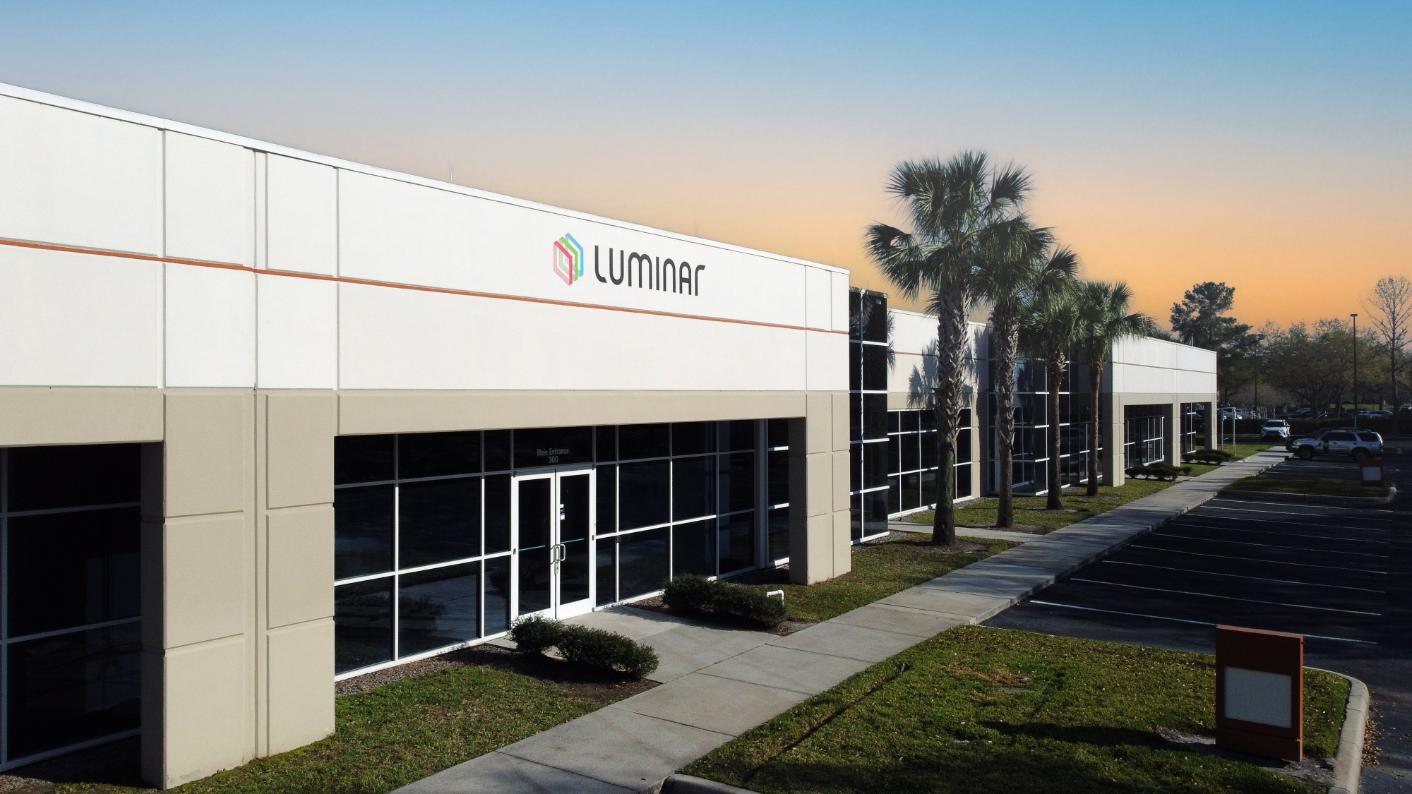
Swedish automaker Volvo has terminated a five-year contract with lidar developer Luminar, widening a dispute that has emerged during a period of acute financial pressure for the U.S. sensor company.
Volvo said the move was directly related to Luminar’s inability to meet agreed terms. “Volvo Cars has made this decision to limit the company’s supply chain risk exposure and it is a direct result of Luminar’s failure to meet its contractual obligations to Volvo Cars,” the automaker told TechCrunch.
The decision comes as Luminar works through loan defaults and warns it may need bankruptcy protection if lenders decline to restructure its debt. In recent months the Florida-based company has cut 25% of its workforce and begun exploring a sale of the company or specific assets. One of the potential bidders is founder Austin Russell, who stepped down as CEO in May amid a “code of business conduct and ethics” inquiry. Regulatory filings also confirm the company is under investigation by the U.S. Securities and Exchange Commission.
Volvo and Luminar had spent nearly a decade collaborating on laser-based sensing for advanced driver-assistance systems. Volvo invested in the startup and helped integrate its lidar into early production vehicles, support that boosted Luminar’s profile ahead of its 2020 SPAC listing. But Luminar struggled to broaden its customer base after going public and announced job cuts and a shift to outsourced manufacturing earlier this year.
The conflict escalated on October 31, when Luminar disclosed that Volvo would no longer make its “Iris” lidar standard on the EX90 and ES90 models and had deferred a decision on adopting Luminar’s next-generation “Halo” sensor. Luminar said it has “made a claim against Volvo for significant damages” and has “suspended further commitments of Iris” for Volvo pending resolution of the dispute.
“The Company is in discussions with Volvo concerning the dispute; however, there can be no assurance that the dispute will be resolved favorably or at all,” Luminar said in the filing.
Volvo, for its part, said its vehicles would continue to offer strong safety performance. “[Our] products can deliver a high level of safety and driver support, enabled by the cars’ powerful core computing coupled with their advanced sensor set — with or without a lidar,” the automaker noted, while adding that the situation “has an effect on some customer orders.” Volvo did not clarify whether that impact involved delays or other adjustments.
Luminar also reported that halting spending on Iris production triggered further complications: the supplier responsible for manufacturing the sensor claimed the pause breached its agreement with Luminar, adding another layer to the company’s financial and operational challenges.


