

Fusion Processing has launched a ten-month feasibility study aimed at introducing No User In Charge (NUIC) automated driving technology into operational bus depots across London, in collaboration with Transport for London (TfL), Alexander Dennis, and Metroline.
The study focuses on integrating Fusion Processing’s CAVstar Automated Drive System (ADS) into diesel and electric buses to enhance maneuvering accuracy within tight depot spaces. The automation system is designed to assist buses in navigating to cleaning bays, charging stations, and parking positions without human drivers, reducing the risk of accidents and optimizing space usage.
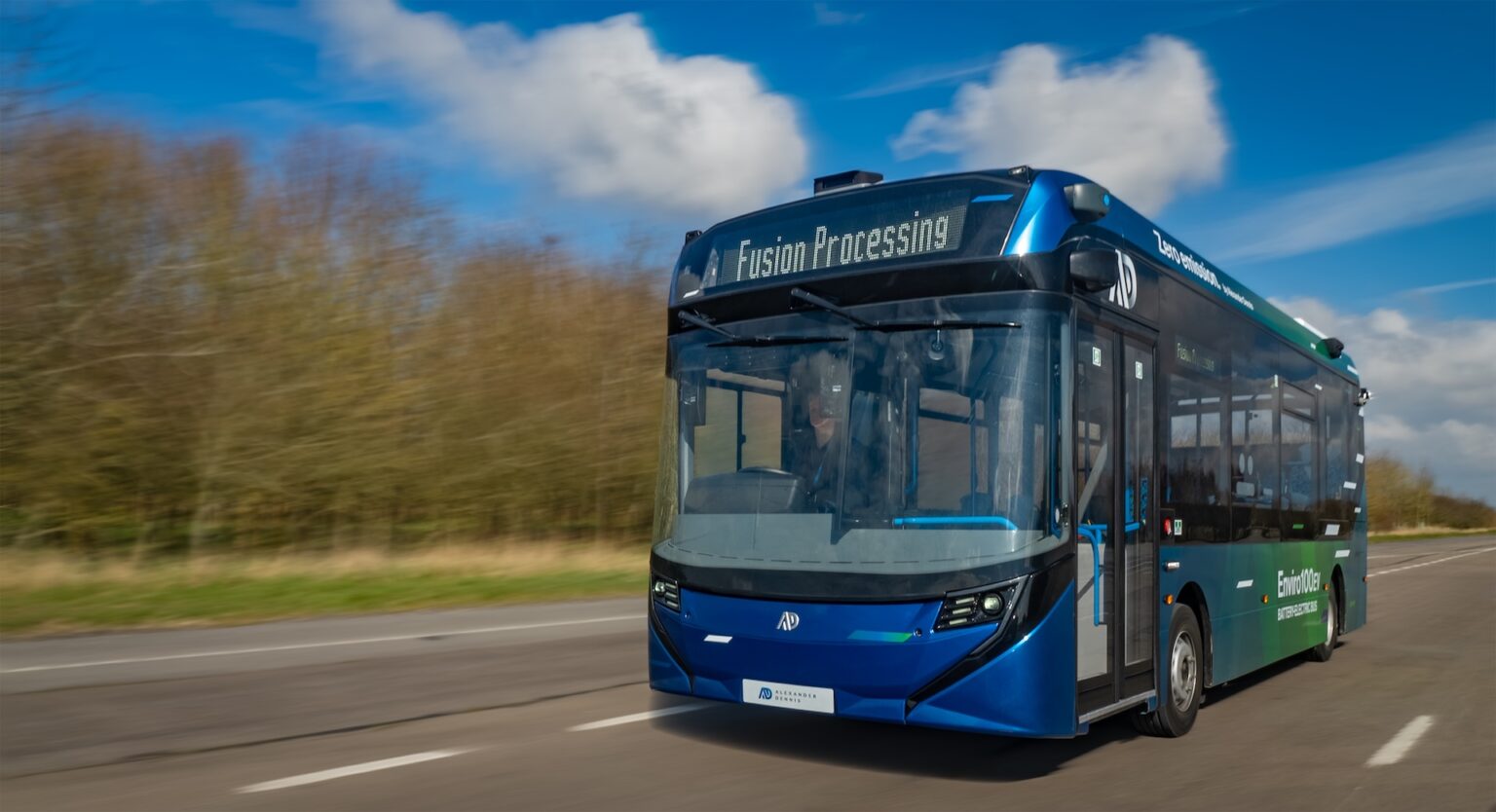
Initial trials are being conducted off-highway using Alexander Dennis Enviro100AEV and Enviro200AV buses equipped with the ADS platform, including redundant steering and braking systems. After successful validation, the study will progress to live depot environments under remote supervision, with a transition to fully autonomous operations planned in later stages.
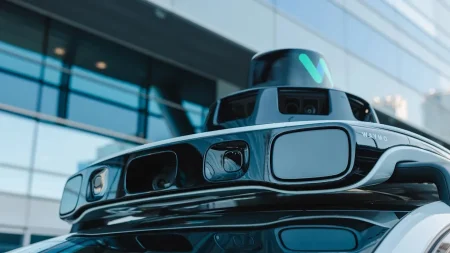
The CAVstar system uses a combination of radar, lidar, and camera sensors to achieve a 360-degree view of the surrounding environment, enabling vehicle path accuracy within 2 to 3 centimeters. A remote operator interface is also being developed, allowing trained personnel to monitor vehicle movements and intervene if necessary.
Supported by the UK Government’s CAM Pathfinder Feasibility Studies Competition, the initiative is part of a broader £150 million program to accelerate connected and autonomous mobility solutions. The study builds on previous collaborations between Alexander Dennis and Fusion Processing and introduces expanded capabilities for electric vehicles. Metroline is providing depot access and operational data to evaluate the system’s real-world performance and logistical impact.
The project aims to improve depot safety, reduce operational costs, and support more efficient electric fleet deployment, all without the need for extensive infrastructure changes.