

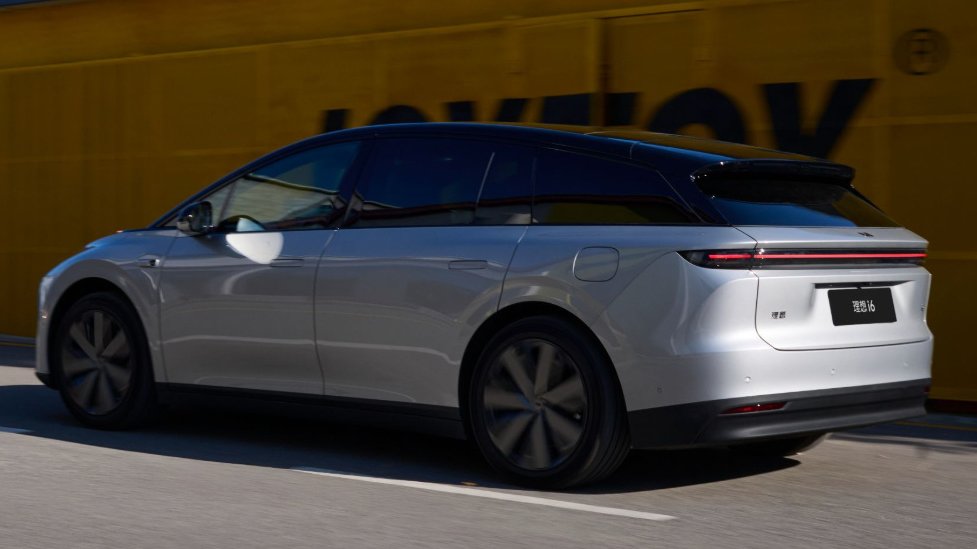
Li Auto returned to a quarterly loss in the third quarter as a sharp decline in vehicle deliveries and costs linked to the recall of its Li Mega multi-purpose vehicle weighed on earnings, the company said in an unaudited earnings report released on Wednesday.
The automaker posted a net loss of RMB 624 million ($87.7 million) for the quarter, compared with a net profit of RMB 2.8 billion a year earlier and RMB 1.1 billion in the previous quarter. On a non-GAAP basis, Li Auto reported an adjusted net loss of RMB 360 million, reversing a non-GAAP profit of RMB 3.9 billion a year earlier.
See also: Li Auto Revises Product and Overseas Strategy Amid Sales Slowdown

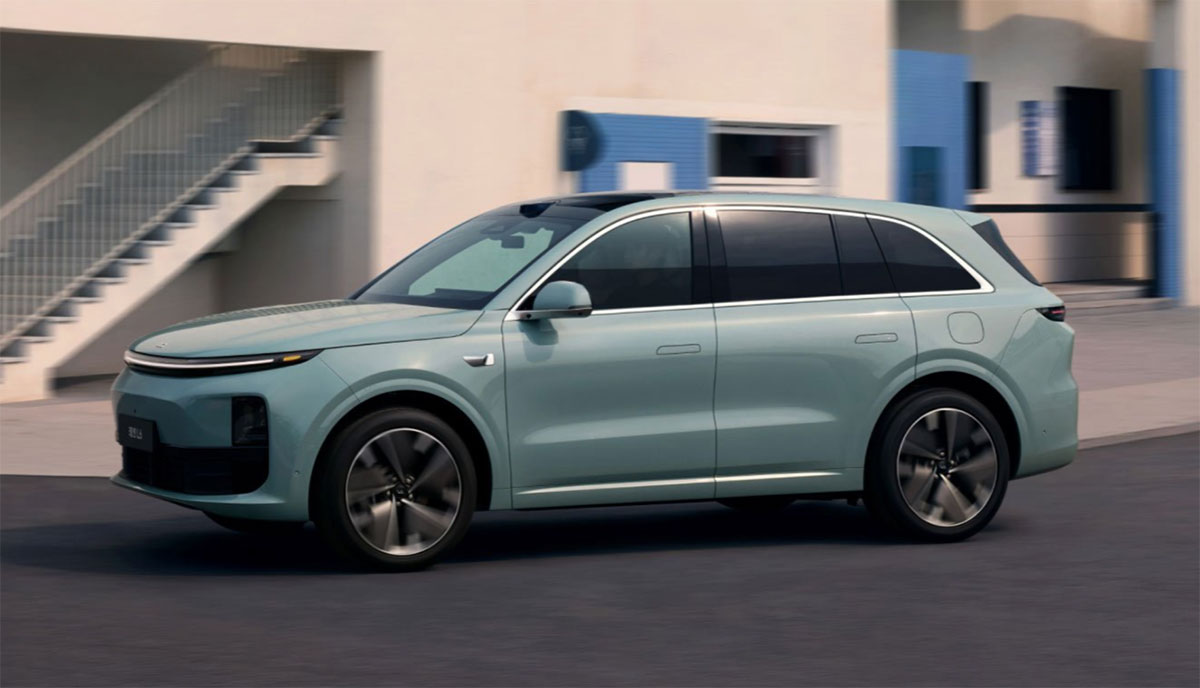
Deliveries totaled 93,211 vehicles in the third quarter, in line with the company’s guidance but down 39.0% from a year earlier and 16.1% from the second quarter, extending a year of weak sales performance. Li Auto forecast fourth-quarter deliveries of between 100,000 and 110,000 vehicles, implying a year-on-year decline of 30.7% to 37.0%.
Based on its October deliveries of 31,767 vehicles, the guidance suggests combined November and December volumes of between 68,233 and 78,233 units. Third-quarter revenue fell 36.2% year-on-year to RMB 27.4 billion, while vehicle sales revenue declined 37.4% to RMB 25.9 billion.
See also: Li Auto Fires Staff Following Li Mega Recall and Quality Issues in L-Series Models

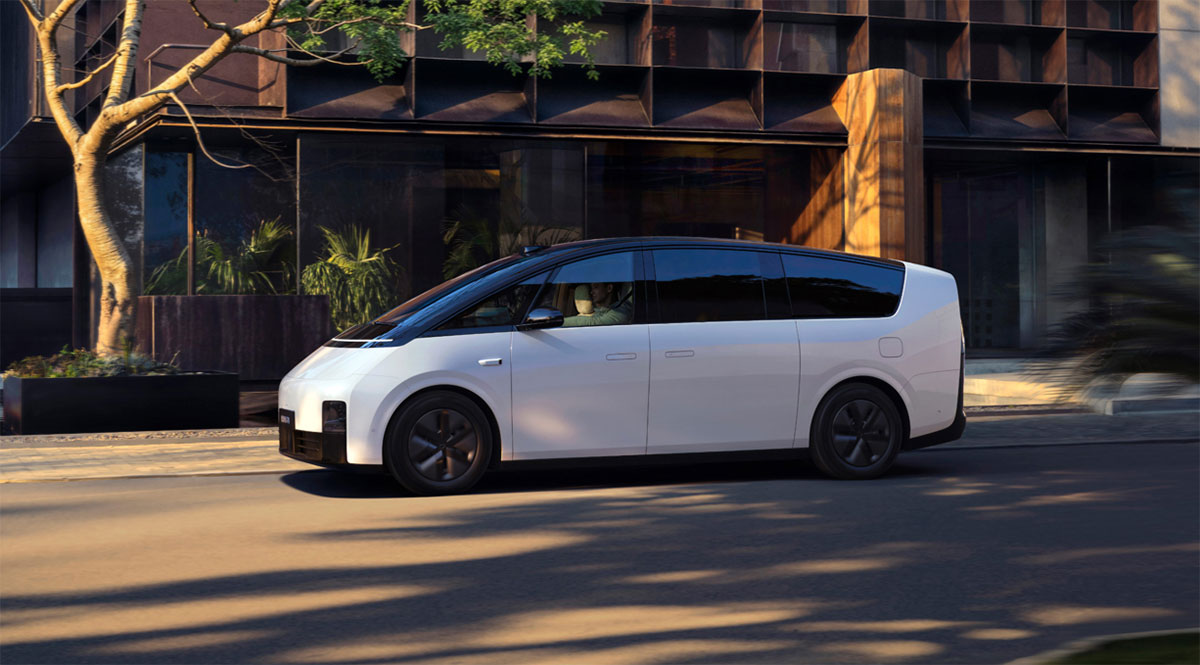
Profitability also weakened as recall-related provisions and lower production volumes pushed up costs. Vehicle margin fell to 15.5% in the third quarter from 20.9% a year earlier and 19.4% in the previous quarter. The company said that excluding the impact of the Li Mega recall, vehicle margin would have been 19.8%. Overall gross margin dropped to 16.3% from 21.5% a year earlier.
Research and development spending rose 15.0% year-on-year to RMB 3.0 billion, while selling, general and administrative expenses fell 17.6% from a year earlier to RMB 2.8 billion, partly due to changes in share-based compensation. As of Sept. 30, 2025, Li Auto reported a cash position of RMB 98.9 billion.