


Leapmotor posted year-on-year growth in vehicle deliveries in January, even as volumes fell sharply from the previous month amid seasonal weakness in China’s auto market.
The company delivered 32,059 vehicles in January, up 27.37% from 25,170 units a year earlier but down 46.94% from December’s 60,423 units, Leapmotor said in a statement. Cumulative deliveries since inception reached 1,228,162 vehicles.
See also: Leapmotor Introduces Central Vehicle Computer Using Qualcomm Chips for Flagship Model

Leapmotor’s January performance followed a strong full-year showing in 2025, when the company delivered 596,555 vehicles, more than doubling volumes from the prior year and meeting its annual sales target.
Backed by Stellantis, Leapmotor has set a more ambitious objective for 2026, aiming to deliver more than one million vehicles. Longer term, the company is targeting annual sales of 4 million vehicles within the next decade.
See also: Leapmotor D19 SUV Appears in MIIT Data With Dual-Motor Layouts

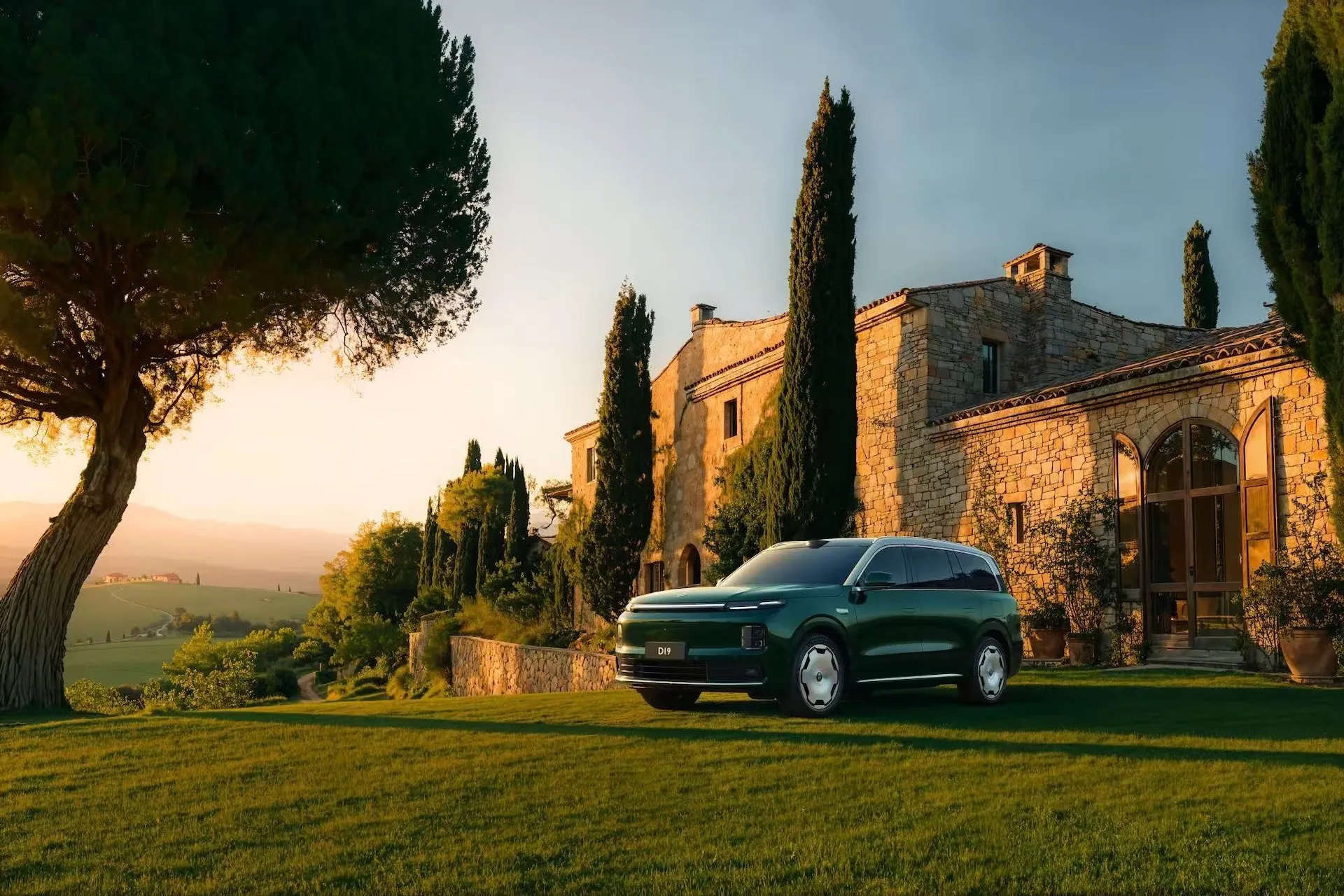
“At the end of the next decade, we aim to become a respected world-class smart electric vehicle manufacturer,” said Zhu Jiangming, founder, chairman and chief executive officer, speaking at the company’s 10th anniversary event in late December.
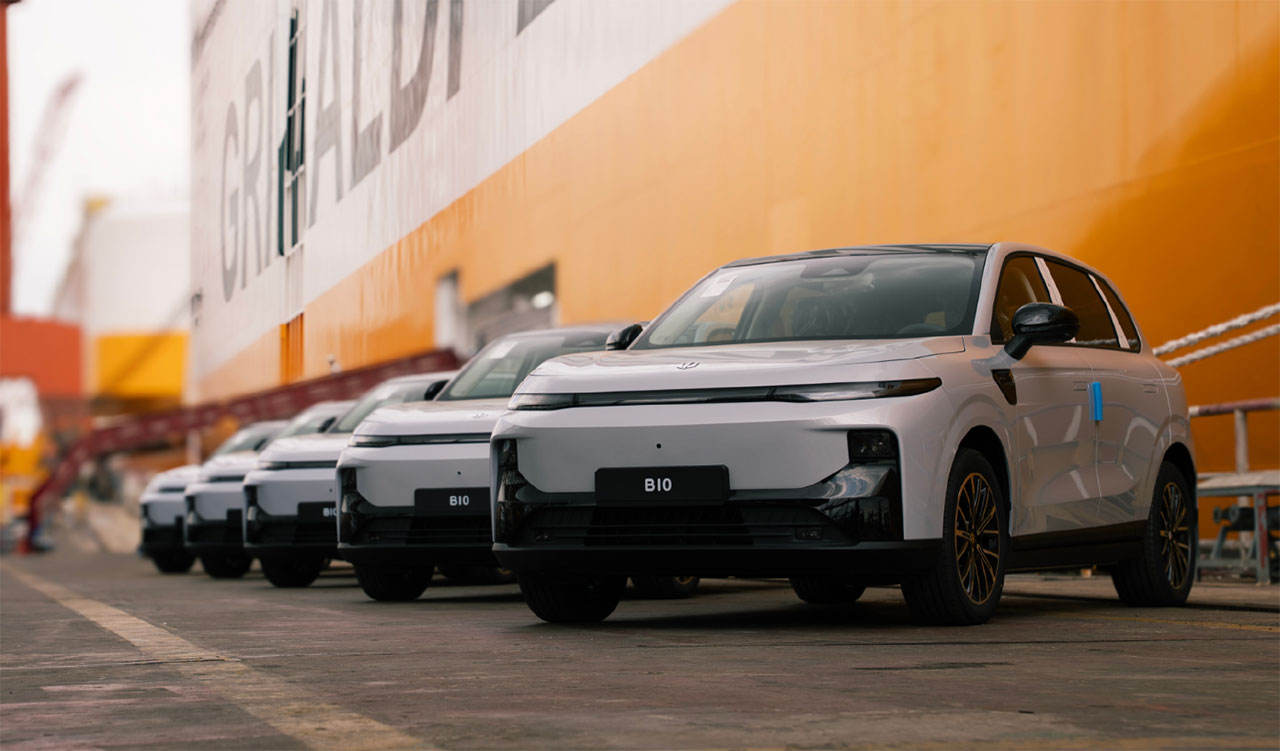
Leapmotor’s current lineup in China includes the Lafa 5, T03, B01, B10, C01, C10, C11 and C16 models. The Lafa 5, T03, B01 and B10 are sold exclusively as battery electric vehicles (BEVs), while the C-series models are also available with extended-range electric vehicle (EREV) powertrains.
See also: Leapmotor’s Range-Extender EV Technology Could Be Shared Across Stellantis Brands

The automaker plans to expand its portfolio further this year, with new models including the compact electric SUV A10, the large SUV D19 and the D99 multi-purpose vehicle, all slated for launch in 2026.