
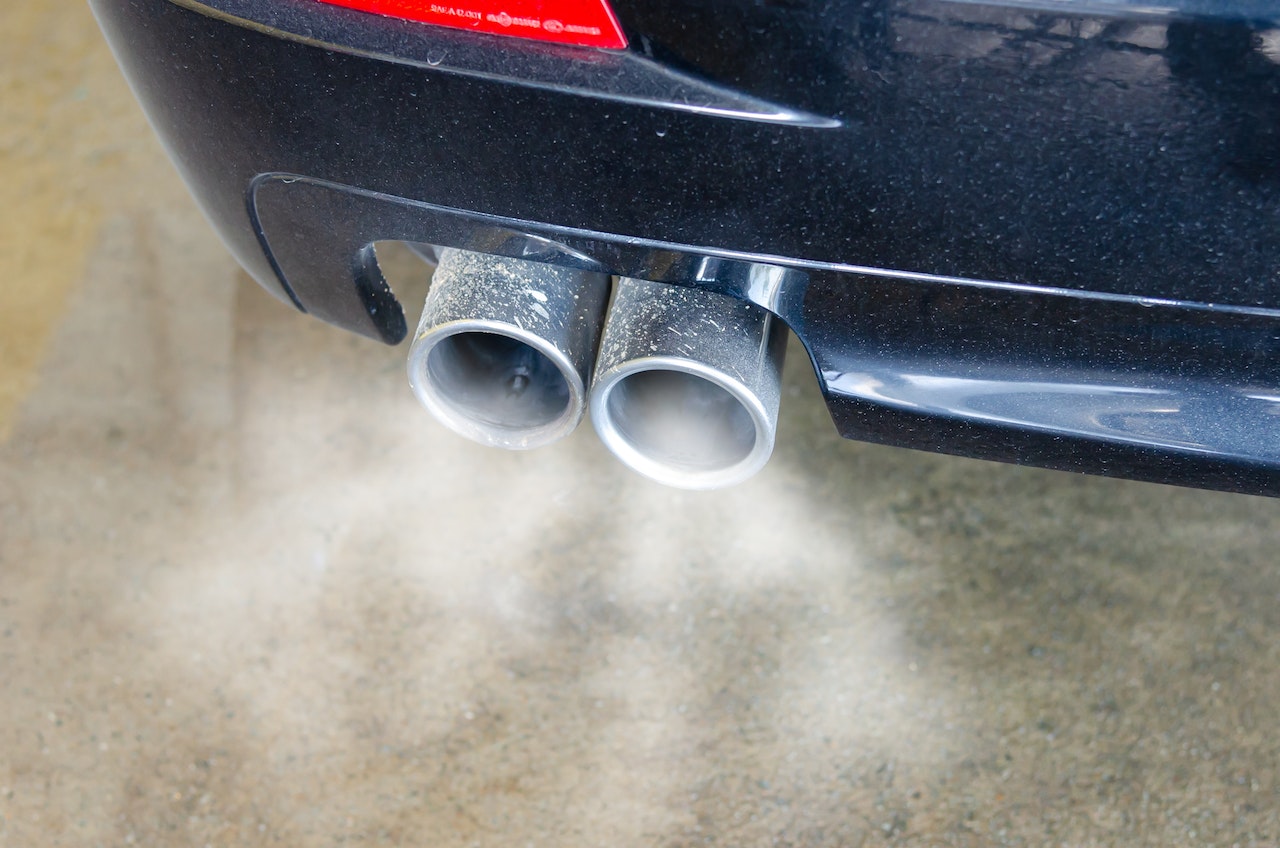
Laos has suspended imports of new gasoline and diesel-powered vehicles through the end of 2026 as part of a nationwide strategy to accelerate electric vehicle (EV) adoption, reduce dependence on imported fossil fuels, and expand charging infrastructure.
Temporary Import Ban Targets EV Growth
The import suspension took effect on June 1, 2026, and applies to new petrol and diesel vehicles until December 31, 2026.
The measure is designed to encourage the transition toward electric mobility rather than serve as a permanent ban on internal combustion engine vehicles.
Several categories remain exempt, including passenger transport vehicles, heavy machinery, trucks supporting designated production and development projects, and special-purpose or emergency vehicles.
The government also plans to introduce support measures for vehicle importers affected by the temporary restrictions to help ease the financial impact during the transition.
Reducing Fuel Imports and Foreign Currency Outflows
While the policy supports lower transport emissions, it is also driven by economic considerations.
Laos generates significant electricity from hydropower but remains dependent on imported petroleum products for transport. By increasing the share of electric vehicles, the government aims to reduce fuel imports and limit the outflow of foreign currency.
The country has set a target for electric vehicles to account for more than 30% of its vehicle fleet by 2030.
To support that goal, battery-electric vehicles priced below $50,000 will be exempt from consumption tax, while authorities will consider preferential tax rates for higher-priced electric vehicles and other alternative-fuel technologies.
Government Moves to Stabilize EV Prices
Authorities are also seeking to prevent excessive price increases resulting from higher demand for electric vehicles.
The Ministry of Industry and Commerce has been tasked with developing standardized EV pricing guidelines that consider manufacturer pricing, transportation costs, taxes, duties, and reasonable profit margins.
Companies found inflating prices or engaging in unfair business practices during the transition could face regulatory sanctions.
Charging Network Expansion Planned
Alongside the import restrictions, Laos plans to accelerate the rollout of charging infrastructure.
The government intends to provide land for private charging network developers and offer technical support to encourage investment.
Officials view charging availability as essential to the success of the transition, recognizing that increasing the supply of electric vehicles alone will not drive widespread adoption without adequate infrastructure.
Strengthening Market Oversight
The reforms also introduce stricter financial oversight of vehicle sales.
Future vehicle transactions and related payments will be processed through the banking system to improve transparency and strengthen regulatory supervision of the automotive sector.
The strategy combines temporary supply restrictions on conventional vehicles with tax incentives for battery-electric models, regulated pricing, and charging infrastructure development.
Rather than relying solely on purchase incentives, Laos is adopting a broader policy approach aimed at reshaping the country’s vehicle market while supporting its long-term energy security and electrification objectives.
Source: eco-business.com, thestar.com