



Researchers at the Korea Advanced Institute of Science and Technology (KAIST) have identified the underlying mechanism driving the rapid performance decline seen in lithium-ion batteries with high nickel content in their cathodes, a development that could reshape electrolyte design for advanced battery chemistries.
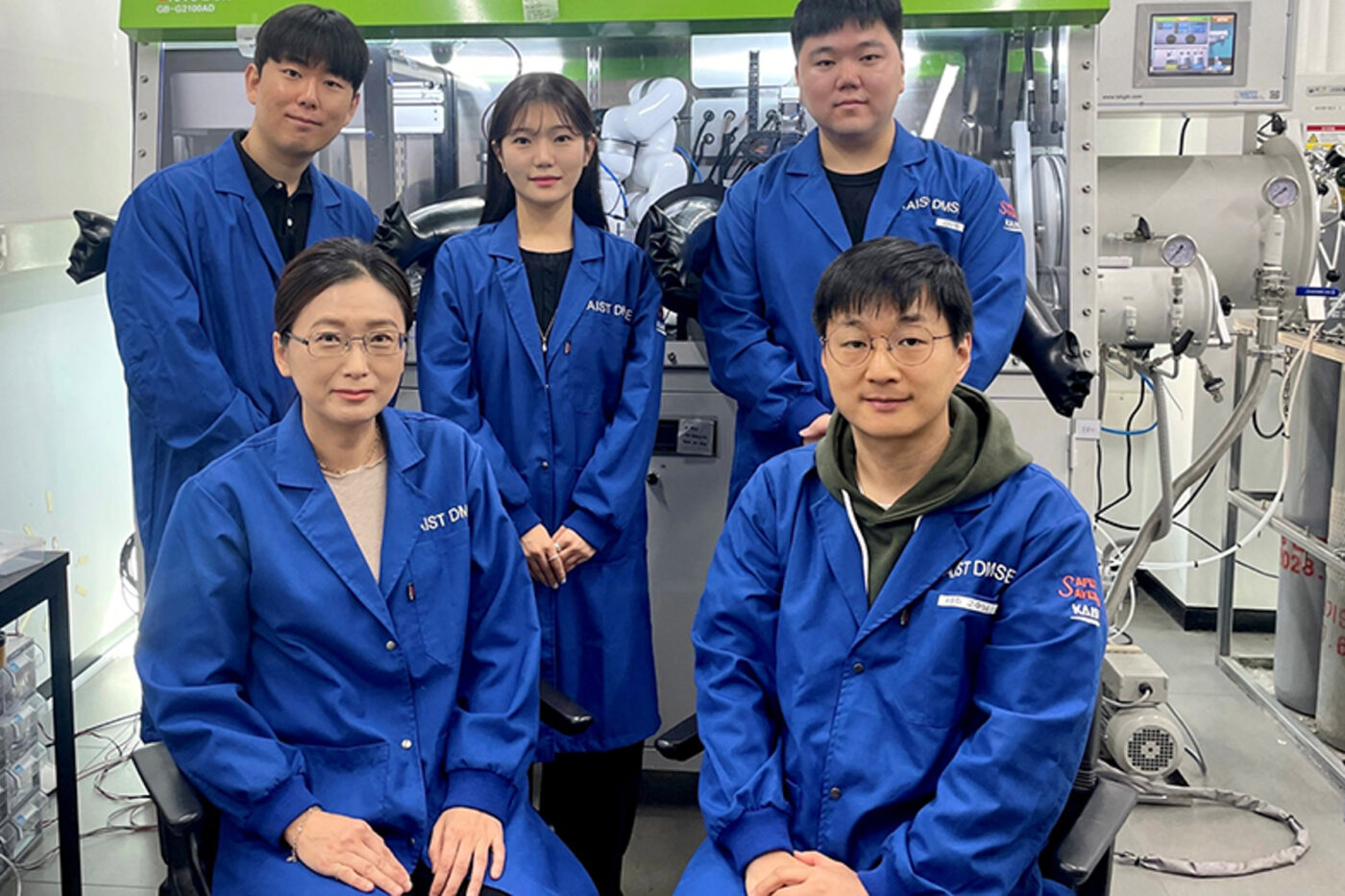
High-nickel cathodes are widely used to boost energy density in electric vehicle and energy storage batteries, but they have long been associated with faster degradation compared with other chemistries. In a study led by Professor Nam-Soon Choi of KAIST’s Department of Chemical and Biomolecular Engineering, researchers found that the issue is not inherent to nickel alone, but arises from an unexpected interaction between nickel ions and a commonly used electrolyte additive.
See also: Global Battery Price Decline Moderates After 8% Drop in 2025, Says BloombergNEF
The team discovered that succinonitrile (CN₄), an additive typically introduced to improve lithium-ion mobility and enhance battery stability, plays a central role in accelerating degradation in nickel-rich cells. According to the researchers, CN₄ contains two nitrile (-CN) groups that bind strongly to nickel ions on the surface of high-nickel cathodes. As described by German science portal Chemie.de, the nitrile structure forms a “hook-like” bond that “bind[s] excessively strongly to the nickel ions on the surface of the high-nickel cathode,” disrupting the protective electrical double layer that normally stabilises the cathode surface.
During repeated charging and discharging cycles, electrons are also drawn from the cathode into the CN₄ molecules, further weakening the cathode structure. The released nickel ions then migrate to the anode, where they obstruct lithium-ion transport and catalyse electrolyte decomposition. The study contrasts this behaviour with lithium cobalt oxide (LCO) batteries, where succinonitrile has shown beneficial effects, underscoring that additive performance depends heavily on cathode chemistry.
See also: QuantumScape Completes Key Equipment Installation for Higher-Volume QSE-5 Cell Production
KAIST researchers said the findings highlight the need for electrolyte additives specifically tailored to high-nickel systems. “A precise understanding at the molecular level is essential to improve the lifespan and stability of batteries,” Professor Choi said. “This research will pave the way for the development of new additives that do not bind excessively with nickel, thereby making a significant contribution to the commercialisation of next-generation high-performance batteries.”